Sandao · चीनी चाय के बर्तन और संस्कृति
Xiaoshi Tea: Yichang Green Tea, Yihong & Products
Chinese Tea Brands & Companies
Xiaoshi Tea is closely connected with Yichang and the Dengcun tea-growing area of Hubei, China. Its best-known product names include Xiaojingjian and Jinxiang Pinxue green teas, together with Yichang Yihong and Huangwumei black teas. Hubei Xiaoshi Tea Co., Ltd. is presented as a member company on Yichang Tea Group’s website.
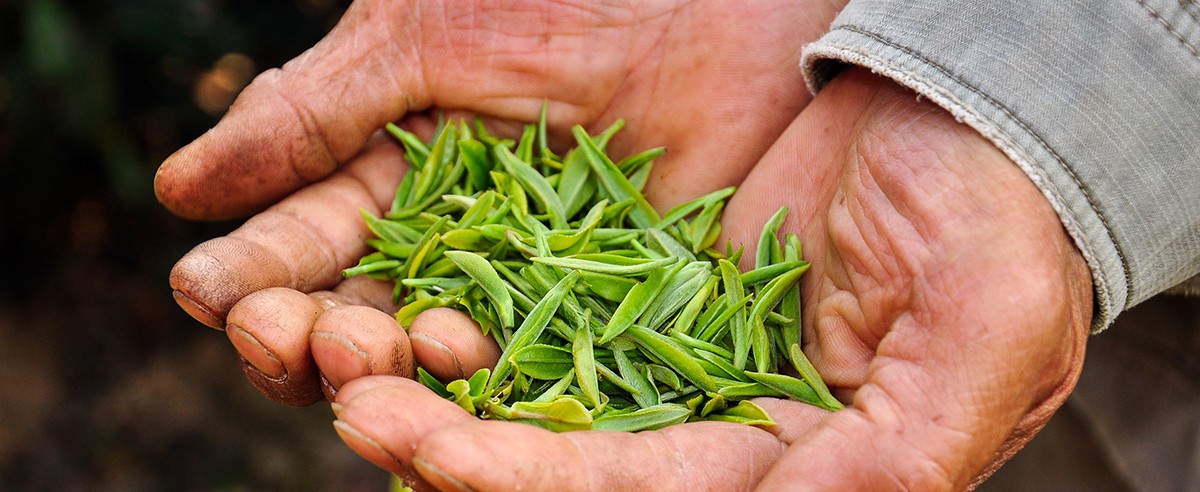
Company and brand at a glance
| Company covered | 湖北萧氏茶业有限公司 · Hubei Xiaoshi Tea Co., Ltd. |
|---|---|
| Brand | Xiaoshi · 萧氏 |
| Location | Yichang, Hubei, China |
| Brand and business roots | 1999, according to the Xiaoshi and Yichang Tea Group introductions |
| Core products | Green tea and Yihong black tea, with a wider tea range |
| Web sources | Xiaoshi brand/group website · Yichang Tea Group member profile |
The supplied yctea.com site introduces Xiaoshi Tea Industry Group, while Yichang Tea Group’s member page names Hubei Xiaoshi Tea Co., Ltd. This guide uses the member page for the present company context and the Xiaoshi site for brand history and product descriptions. The historical starting date is a business heritage date.
Main business and product range
The member-company profile describes a chain of tea growing, primary production, refining and finished-product preparation. Its product overview includes green tea, black tea, white tea, dark tea and oolong. Green and black teas are the most detailed consumer product stories on the supplied Xiaoshi website.
The broader Xiaoshi group introduction also discusses tea research, ingredients, beverages, tea foods and other applications. Those pages provide background on the group’s technology-led development; enquiries about a particular business should be directed to the responsible company.
Representative products and their features
Xiaojingjian green tea

The Xiaojingjian page emphasizes young spring buds collected before Qingming from a high-elevation tea area. It describes a fresh-leaf washing process and infrared aroma development as parts of the production method. The focus is on tender raw material and controlled processing, rather than simply the appearance of a finished gift box.
“Pre-Qingming” describes a harvest period. For an actual purchase, check the harvest year, grade, net weight and brewing guidance on the specific product.
Jinxiang Pinxue green tea
Jinxiang Pinxue is linked on the brand website to the Dengcun mountain tea area. The product story describes spring picking from gardens at approximately 800–1,200 metres, with fresh-leaf cleaning and infrared drying. It gives the range a clear connection to Yichang’s highland green-tea production.
The product name reflects a local brand story. Its presentation should be read alongside the actual tea’s origin and specification, especially when comparing different pack sizes or grades.
Yichang Yihong and Huangwumei black tea

Yihong is the Yichang black-tea tradition featured prominently in the range. The website describes its production through withering, rolling, oxidation and drying, and discusses automated control of temperature and humidity. The brand associates its Yihong presentation with orchid-like aroma and a mellow cup.
Huangwumei is another named black-tea presentation. Its product page describes curled dark leaves with visible golden tips, a bright orange-red infusion and a combination of floral, fruit and honey-like notes. These are the company’s descriptions of that product, with flavour varying by selection and brewing.
The site also discusses clouding as brewed black tea cools. This observation belongs in the tea’s sensory context; a buyer should assess aroma, taste, freshness and the product’s origin information together.
Clean processing and tea research
Clean production is a recurring theme in Xiaoshi’s materials. Its technology pages describe work on tea cultivars, tea-garden management, automated processing, pilot production and deep-processing research. The supplied site records the establishment of a group technology centre in 2006.
For consumer teas, the product pages make this practical through examples such as leaf cleaning, controlled drying and black-tea processing equipment. Trade buyers can request specifications and product-specific test documents for the batch they intend to purchase.
Yichang tea-growing context
Dengcun, in Yichang’s Yiling district, appears repeatedly in the green- and black-tea descriptions. The company’s product stories link mountain growing conditions with spring picking and local processing. This is a useful regional introduction; the label on each product remains the reference for its precise raw material and producer.
Official channels and contact
| Xiaoshi website contact address | Xiaoshi Industrial Park, Yiling Economic Development Zone, Yichang, Hubei, China |
|---|---|
| China service line | 400-669-1398 |
| Website contact telephone | +86 717 7525568 |
| Website contact email | server@yctea.com |
| Current company introduction | Yichang Tea Group: Xiaoshi Tea |
The Xiaoshi site’s contact details are brand/group channels. For current company arrangements or a particular order, use the relevant official channel to confirm the responsible entity.
Sources and editorial note
This independent Sandao profile uses Yichang Tea Group’s member-company introduction and Xiaoshi’s group introduction, Xiaojingjian, Jinxiang Pinxue, Yihong, Huangwumei, research and contact pages, checked on October 26, 2026. Images are from yctea.com. Product descriptions are attributed to the brand and do not represent independent tasting results.