お茶と茶器のガイド
Lu’an Guapian Green Tea: Spring, Summer and Autumn
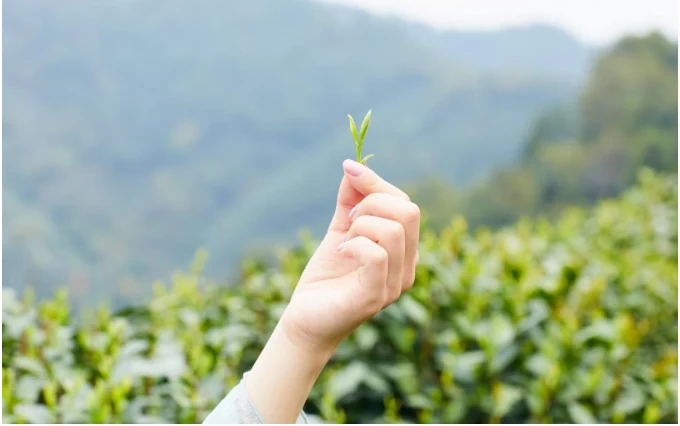
Spring green tea often has a reputation for freshness, but a useful comparison needs more detail than the calendar. A 2025 Food Chemistry: X study examined Lu’an Guapian made from spring, summer and autumn leaves, combining sensory assessment with chemical analysis. Its results help explain differences within those samples.
The spring samples were sweeter and more umami
The study reported stronger umami and sweetness in spring tea, with summer and autumn material showing more bitterness and astringency. Changes in amino acids, catechins and flavonoid-related compounds contributed to the seasonal pattern. These are findings from the study’s materials, not a guarantee that every spring packet will beat every later harvest.

Smell can change the perceived taste
The researchers also explored interactions between odorants and EGCG bitterness. In controlled conditions, suitable concentrations of hexanal and (Z)-3-hexen-1-ol reduced perceived bitterness. This helps explain why aroma and taste should be assessed together. It is not a recommendation to add laboratory chemicals to tea at home.
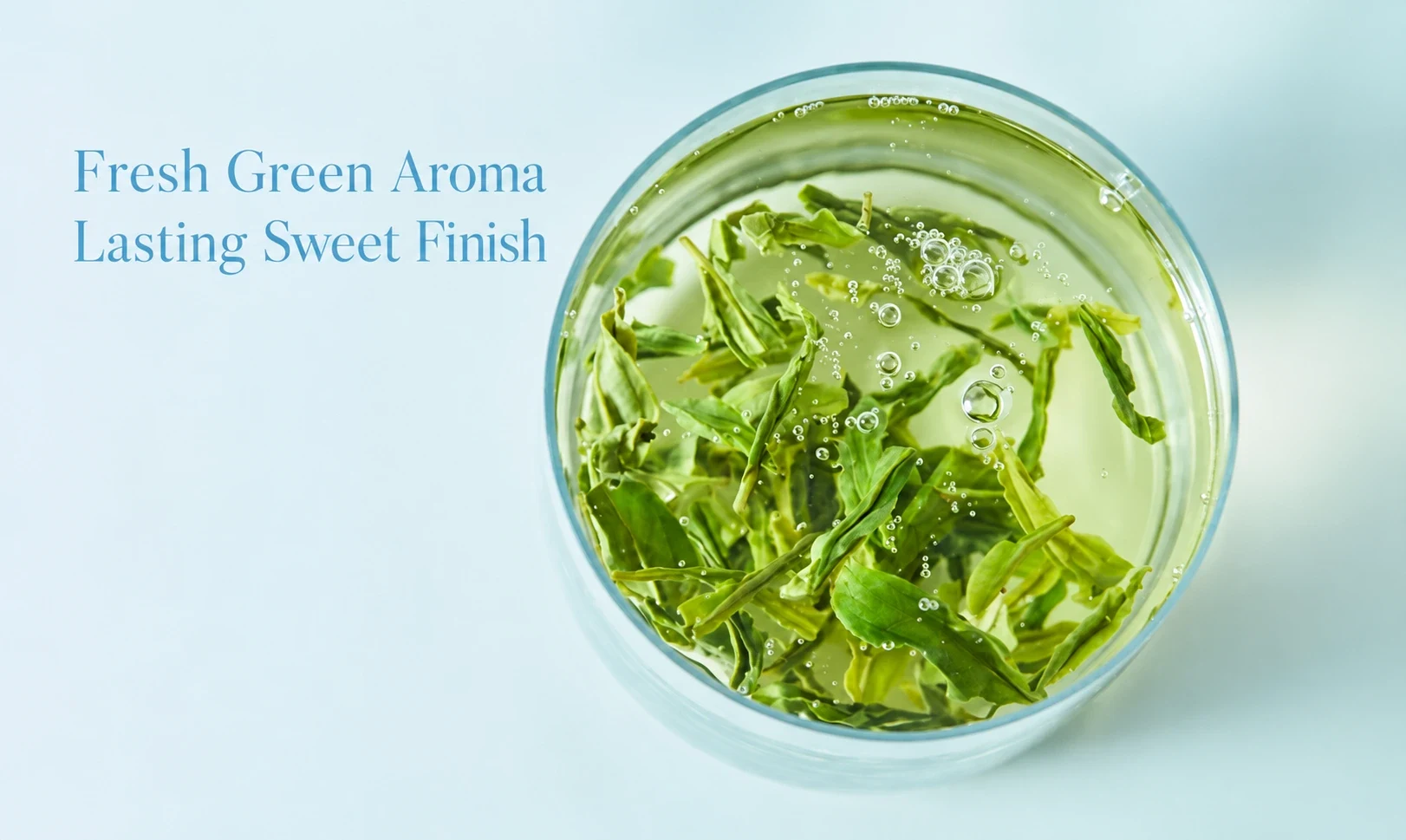
Season is one variable among several
A garden, cultivar, leaf standard and processing recipe shape the result alongside weather. Comparisons between different producers can mix all of those factors. Use harvest information to ask better questions, then taste the actual batch. If a later tea is more assertive, a lighter dose or shorter infusion may make it more enjoyable; it does not turn the batch into spring tea.