お茶と茶器のガイド
Guanyang Autumn White Tea: Bai Lu, Han Lu and Sun Withering

An autumn window in Fuding
Guanyang is a white-tea growing area in Fuding, Fujian, China. The source account follows an autumn production visit, from watching the weather to receiving fresh leaves and spreading them for withering. Its emphasis is on working with the leaf and the day, rather than following a clock alone.
Bai Lu and Han Lu mean White Dew and Cold Dew, two traditional solar terms used to describe autumn harvest windows. The names are seasonal references, not separate tea grades and not proof of a precise harvest date without batch records.
Fresh leaves set the starting point
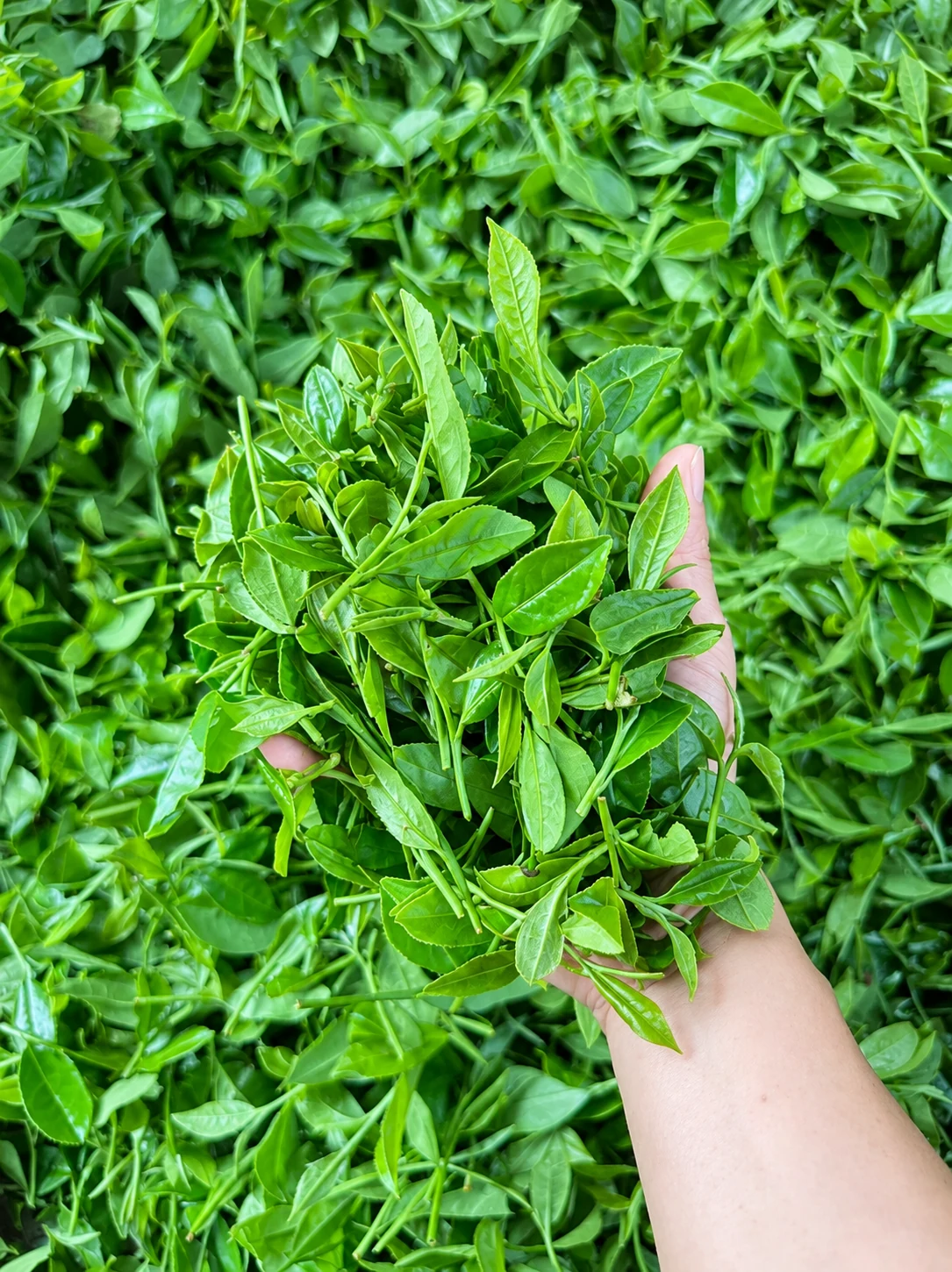
The source describes careful leaf selection and attention to tenderness. Once the leaves arrive, they need suitable spreading, airflow and space. A high-mountain place name alone does not ensure that the harvest or handling was good.
Rather than assuming all autumn white tea is one style, ask which plucking standard was used, when it was picked and how it was dried. Those details help explain the cup more clearly than a romantic seasonal name.
Withering is more than leaving leaves in the sun
During withering, leaves lose moisture and their character changes. The producer must respond to sun, cloud, air movement and leaf condition. Strong sun may call for protection; damp or still weather may require a different arrangement. More hours of direct exposure do not automatically make better tea.
White tea is not made by the conventional pan-firing and rolling sequence used for many other teas. Withering is followed by appropriate final drying. Sun withering alone should not be assumed to guarantee a stable moisture level for storage.

What autumn white tea may taste like
The source tasting favors a clean floral or hay-like aroma, gentle sweetness and a rounded liquor. Some cups may suggest grain or honey as they settle. These are descriptions to test in your own brew, not guaranteed effects of altitude or a solar term.
Drink a new tea for its current quality before deciding to store it. Keep it dry, sealed and away from odors, and do not assume that age will improve an ordinary or poorly dried batch.