お茶と茶器のガイド
Laocong Shuixian: What Creates Its Cong Aroma?
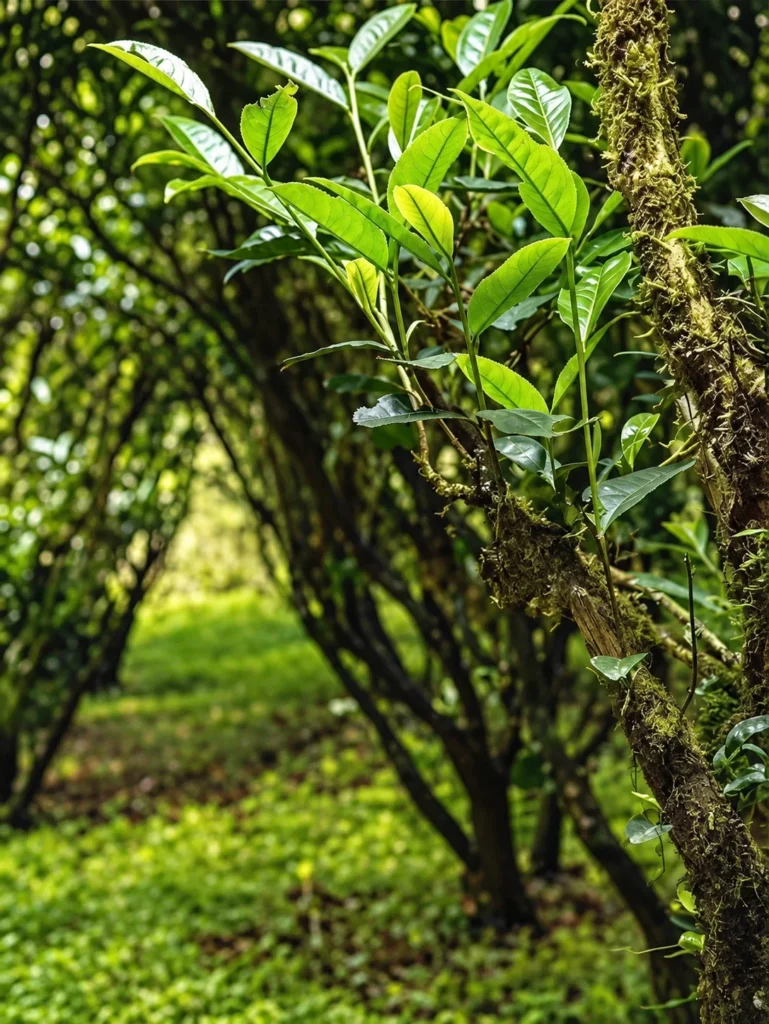
Laocong Shuixian is a Wuyi rock oolong from older Shuixian tea trees in Fujian, China. Tea drinkers often describe its distinctive character as cong aroma: a layered impression of wood, dried leaves and sometimes a gentle rice-like sweetness. It is more useful to think of a family of sensations than one unmistakable smell.
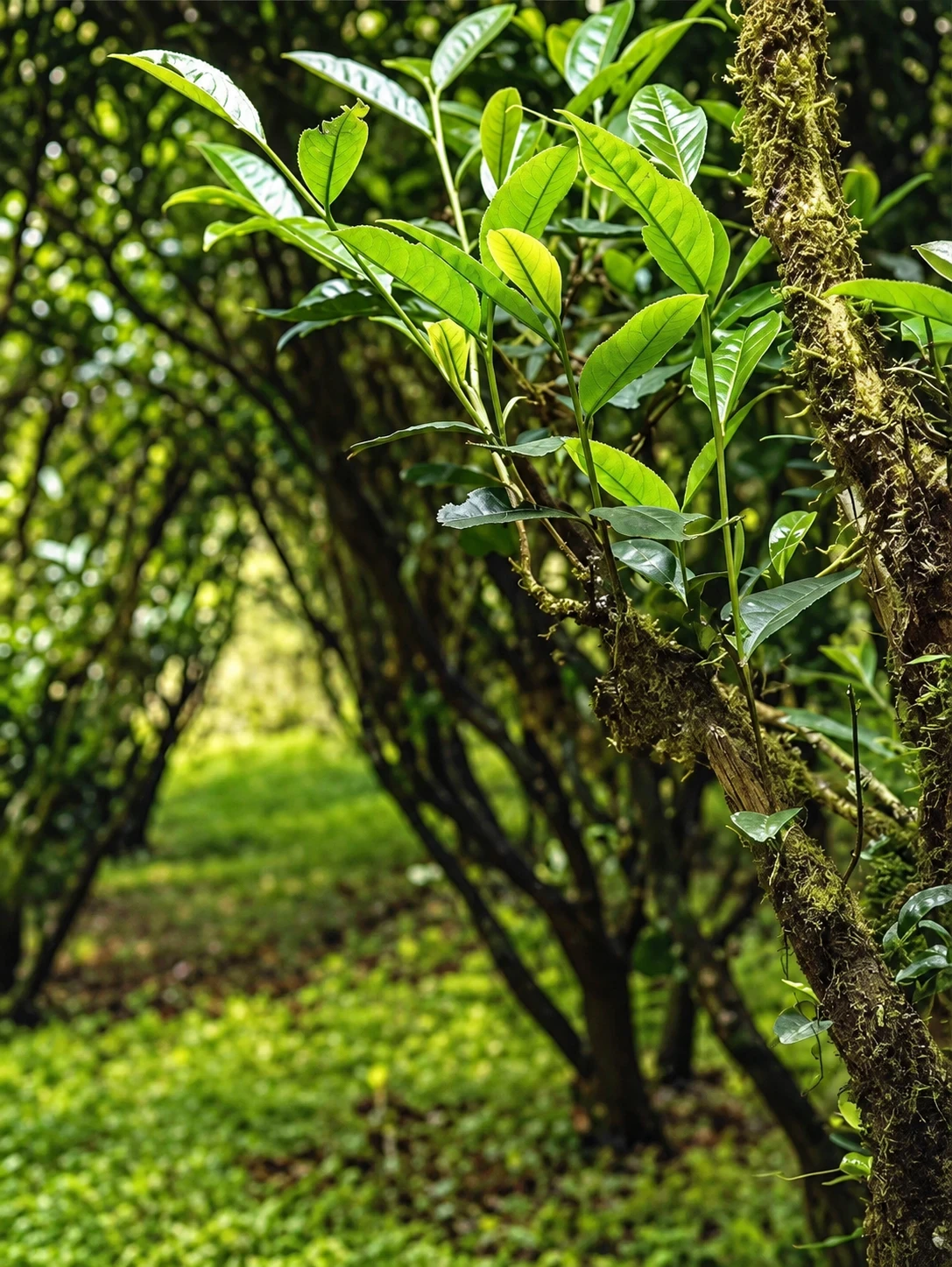
What does cong aroma smell like?
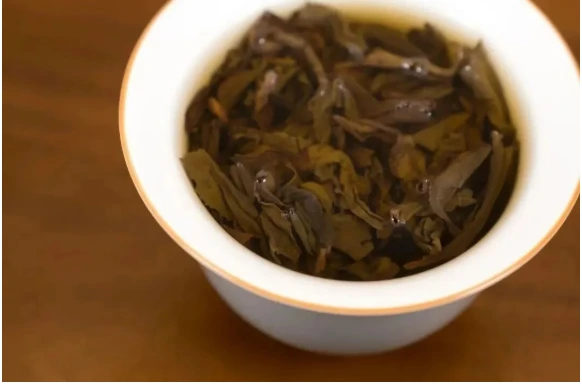
Woody notes may suggest clean old wood; bamboo-leaf notes can resemble dried bamboo leaves or hay; the rice-like side is a soft, warm impression rather than the smell of added cooked rice. Floral and honey-like aromas may still be present. Roast, storage and the particular lot affect how clearly each side appears. The commonly used term laocong is not, by itself, independent proof of a tree’s age.
What researchers identified
A 2025 study identified 36 aroma-active compounds in representative samples. Theaspirone and δ-decalactone were associated with woody notes, 2-acetylpyrrole with rice-like notes, and coumarin with dried-leaf notes. The authors concluded that several compounds work together. This explains an aroma profile in the studied teas; it does not provide a home test for age or authenticity.
Roasting, environment and careful tasting
A tree grows within a particular site, and its leaves then pass through withering, oxidation, drying and roasting. The finished cup reflects that whole chain. Compare teas with the same leaf-to-water ratio and similar roast levels. Smell the warmed leaves, taste several short infusions and notice whether the aroma stays integrated with the liquor as it cools. Strong roast alone can obscure those finer differences.

Buying an old-tree claim with more confidence
Ask for the named origin, harvest year, producer and an explanation of the age claim. Buy a small sample before paying a premium. An abrupt aroma, dryness or a short finish can have several causes, so none proves adulteration on its own. Equally, a pleasing woody note does not prove that the tea came from a very old tree. A clear origin record and a clean, balanced cup are more useful together.
