お茶と茶器のガイド
Sun vs Shade Withering: How White Tea Style Develops
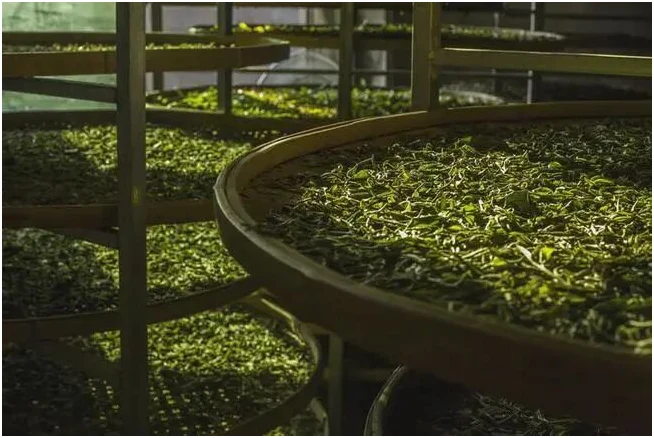
Sun and shade are two settings in which white tea can wither. Both require judgment about the leaf, weather and water loss. The contrast is useful for understanding style, but neither setting is a shortcut to the best tea.
What sun-assisted withering changes
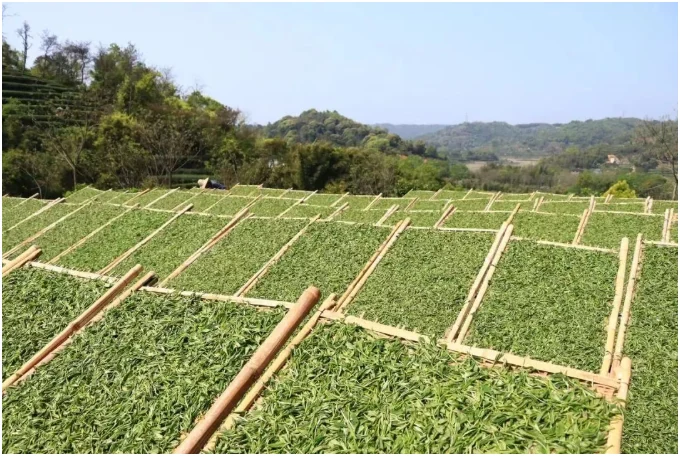
Outdoor light and warmth can influence leaf temperature and the rate of water loss. Makers may move trays between sun and shade to avoid excessive heat or uneven drying. A sun-assisted process is not necessarily a continuous exposure from picking to packaging. Good practice responds to the leaf rather than following a marketing phrase literally.
Indoor does not mean inactive
Indoor withering gives the maker a different degree of control over airflow, temperature and humidity. Poor ventilation is not the definition of shade withering, and faster is not automatically better. Dehumidification, cooling or gentle warmth may be used where needed. Withering still involves biochemical change, rather than simple dehydration alone.


Use regional descriptions with care
Fuding is often associated with sun-assisted work, while Zhenghe is often discussed through indoor withering. Real producers use more varied approaches than that shorthand suggests. Differences between two regional teas may also reflect cultivar, picking, drying and storage. To explore the process itself, compare closely matched lots and ask how each was actually made.