お茶と茶器のガイド
Young vs Aged Liubao Tea: Color, Aroma and Chemistry

Two Liubao teas can look similar in the package and feel very different in the cup. Storage can change aroma, astringency and color, while the starting material and fermentation remain part of the story. Comparing young and aged tea is therefore most useful as a tasting exercise, supported by production records, rather than a visual test of how many years have passed.
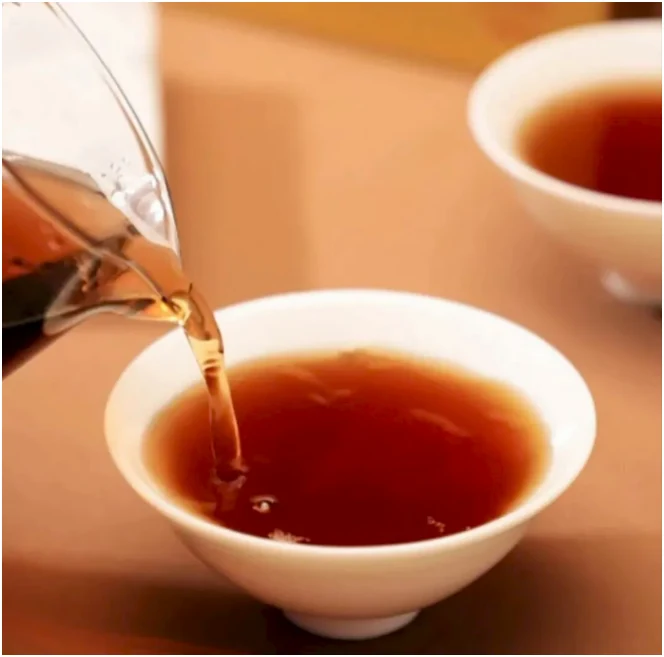
Liquor color often deepens, but processing comes first
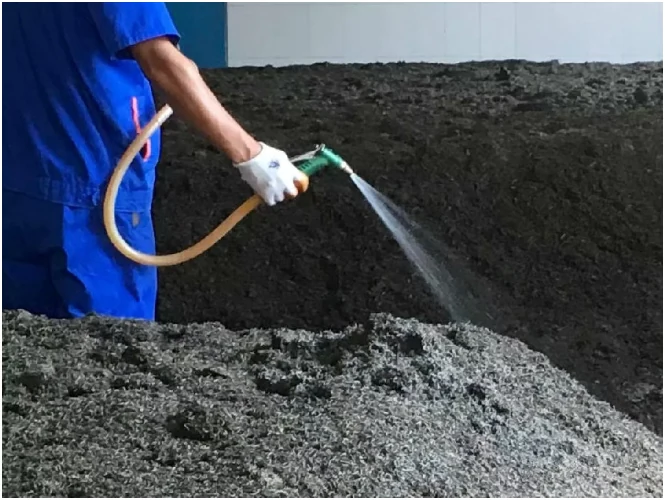
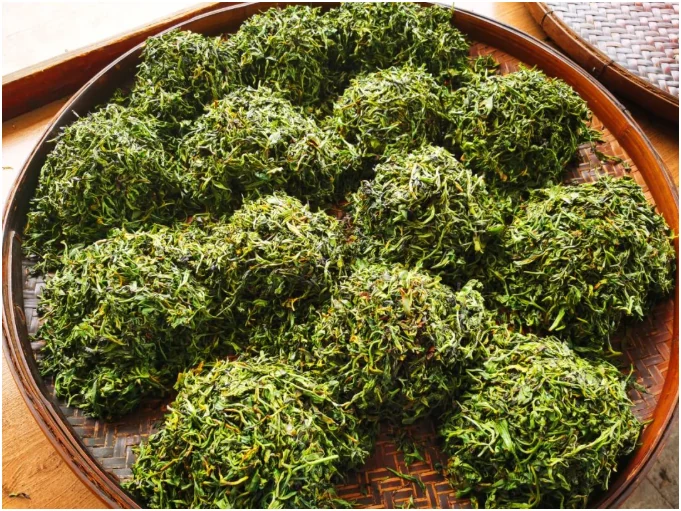
Young traditional-style Liubao can be yellow or orange, while modern wet-piled tea may already brew deep red-brown when relatively young. Further storage can change the balance of pigments and deepen the visual impression. A darker cup is therefore compatible with several explanations: fermentation, storage, leaf dose or infusion time. It cannot identify the vintage on its own.
Bitterness, astringency and body do not change in lockstep
Research discussed in the source reports changes in polyphenols, amino acids, water extracts and caffeine across production years. Some findings point to reduced astringency and a rounder impression in older samples. Different studies do not always show the same direction for every component, especially water extracts or caffeine. The measured result depends on the samples and analytical basis; a softer cup is not evidence that the tea has become caffeine-free.
Aged aroma should remain clean
Woody, mellow and dried-fruit-like descriptions can appear as a tea matures. They are sensory comparisons, not proof that a particular compound, storage site or age is present. Stale warehouse odors and mold should not be promoted as signs of maturity. If you cannot distinguish a desirable aged note from damage, seek reliable product information rather than testing a suspect tea by drinking it.
Compare a sequence, not a legend
The clearest home comparison uses documented lots, the same water and vessel, measured leaf amounts and consistent infusion times. Record what you actually taste and revisit the notes later. A clean young tea can be an enjoyable drink in its own right, while an older lot may offer a different texture. Neither has to win simply because the label says new or old.