Tea Knowledge

Chenpi Tea Uses: Chinese Tradition and Practical Precautions
Understand traditional chenpi tea uses, the limits of health claims, and practical precautions before drinking dried tangerine peel infusions.

How to Identify Xinhui Chenpi: Labels, Origin and Age
Buying Xinhui chenpi? Check origin, producer and aging records, then use appearance and aroma as supporting clues rather than proof of authenticity.
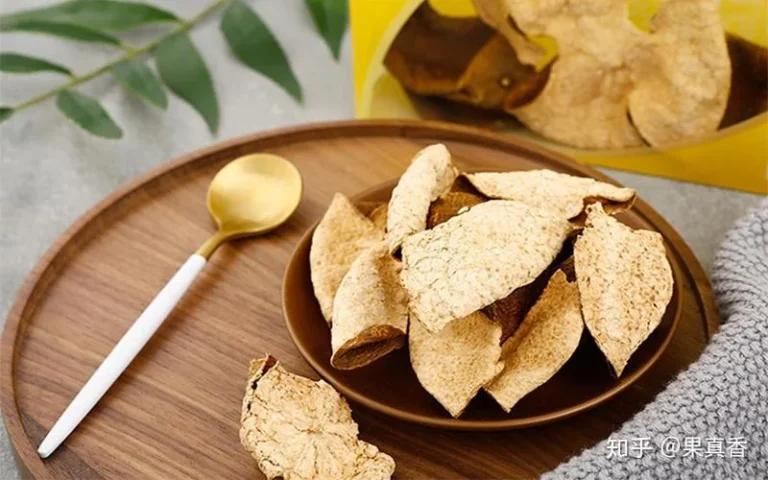
Is Older Chenpi Better? Age, Flavor and Storage Quality
Older chenpi is not automatically better. Learn how aging, storage and brewing affect flavor, and why color alone cannot prove a peel’s age.

How to Brew Chenpi Tea: Steep, Simmer or Blend
Brew chenpi tea with a simple steep or gentle simmer. Adjust peel, water and time to your taste, and learn how to combine it with…

How to Store Chenpi and Keep Moisture Out
Store chenpi away from moisture, heat and odors. Learn a practical home routine, how aging storage differs, and when questionable peel should be discarded.

Who Should Avoid Chenpi Tea? A Practical Safety Guide
Know when to pause chenpi tea, ask a clinician about herbal use, and check caffeine in blends. Avoid blanket bans and unsupported interaction claims.

Can Homemade Dried Tangerine Peel Be Used as Chenpi?
Homemade dried tangerine peel can be a culinary ingredient, but drying any orange skin does not make Xinhui chenpi. Learn the practical differences.

Does Chenpi Tea Cause Shanghuo? What “Warming” Means
Understand what “warming” and shanghuo mean in Chinese tradition, why symptoms need individual attention, and how blends differ from plain chenpi tea.
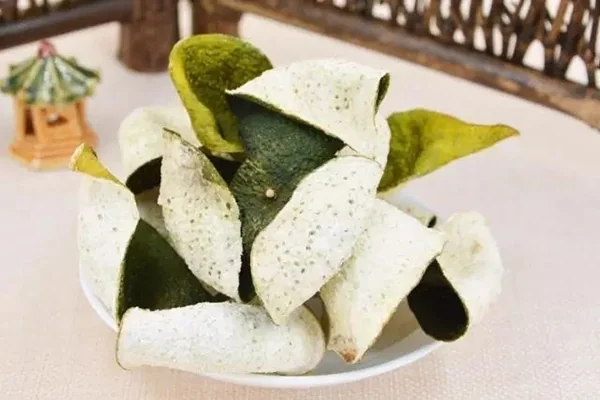
Green, Part-Red and Red Chenpi: Harvest Stages Explained
Compare green peel, part-red peel and red peel in Xinhui chenpi. Understand harvest maturity, likely flavor differences and why age is a separate label.

Chenpi Pu-erh vs White Tea: Taste, Caffeine and Brewing
Compare chenpi pu-erh and chenpi white tea by tea base, citrus balance and brewing. Choose the flavor you enjoy without relying on weight-loss claims.