О чае и чайной посуде
Gong Pai Tea: Company, Heritage & West Lake Longjing
Gong Pai (贡牌) is the tea brand associated with Hangzhou Xihu Longjing Tea Co., Ltd. (杭州西湖龙井茶叶有限公司), a Hangzhou company whose story centers on West Lake Longjing and the Qi family’s tea-making tradition. Its official website brings together company history, tea-growing areas, products, craft and a Longjing museum. This guide explains how those pieces fit together—and what they mean when you choose a packet of tea.
Prepared by Sandao from the company’s public website, reviewed October 24, 2026. Historical milestones, estate figures and honors below are attributed to the company’s published account. This is a Sandao editorial profile; the company’s own website is linked in the sources.
The company behind Gong Pai
Gong Pai is a brand name; West Lake Longjing is a tea-origin designation. Keeping the two separate makes the rest of the story easier to follow. A brand introduces the producer’s identity and style, while the origin, harvest, grade and net weight describe the particular tea you are buying.
The Chinese company name uses 西湖龙井, commonly written Xihu Longjing or West Lake Longjing in English. You may therefore encounter both “Hangzhou Xihu Longjing Tea Co., Ltd.” and an English rendering using “West Lake.” On packaging, the Chinese producer name is a useful reference when comparing listings.

A company story beginning in 1984
The official brand history traces the business to a company founded by Qi Guowei in 1984. It also places the family’s earlier tea-growing and trading activities in Longjing village. Those older family accounts provide cultural background; they are not the same thing as the legal incorporation date of today’s company.
| Year | Milestone described by the company |
|---|---|
| 1984 | Qi Guowei establishes the predecessor tea business in Hangzhou. |
| 1985 | The business applies for the Gong Pai trademark. |
| 1998 | The company’s timeline records a restructuring into Hangzhou Xihu Longjing Tea Co., Ltd. |
| 2002 | A refining facility is established in Longjing village. |
| 2011 | The history describes support for a Shifeng Mountain hand-firing center and training in traditional tea processing. |
| 2015 | An e-commerce center is established. |
| 2017 | A Longwu preliminary-processing facility is built. |
| 2018 | The company-supported Xihu Longjing Tea Museum opens in Longwu. |
| 2021 | The timeline records the opening of a refining facility at Zheheng Science and Technology Park. |
This progression connects village-level processing with refining, online sales and cultural interpretation. It is more useful than treating a long history as a quality score: the character of any tea still depends on its own leaves, processing and storage.
Qi Guowei, Qi Yingjie and the craft story
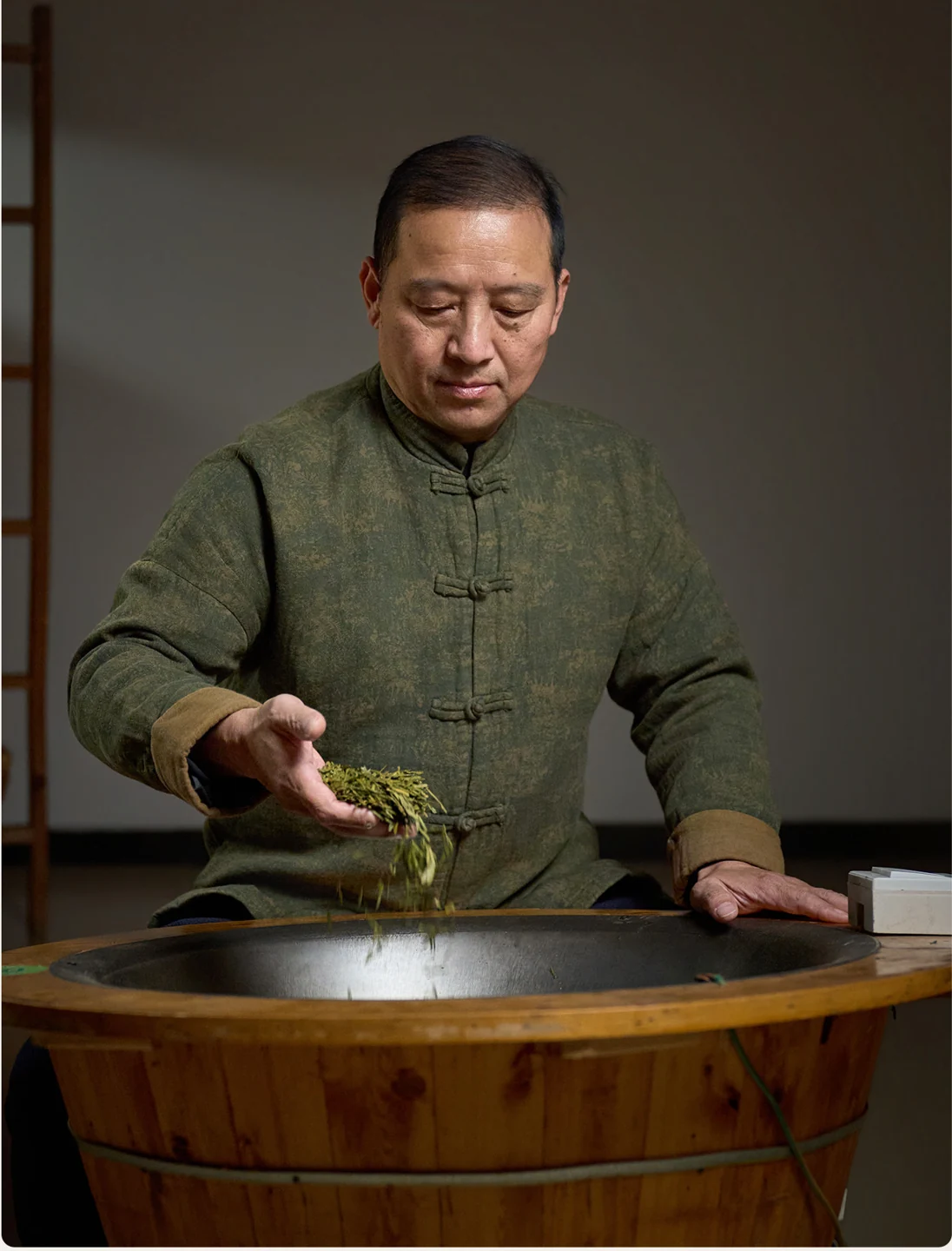
The website’s Qi family section presents founder Qi Guowei and successor Qi Yingjie as central figures in the brand. It identifies Qi Yingjie as the company’s chairman and a provincial representative inheritor associated with West Lake Longjing green-tea making. These descriptions explain the people behind the business, rather than promising that every commercial batch was personally made by one individual.

Longjing is a Chinese green tea known for its flattened leaves and pan-firing tradition. The company emphasizes the skills passed through the Qi family: judging fresh material, working the leaves in the pan and controlling the finished shape. For the drinker, the aim is a clean, balanced cup, not simply a leaf that looks flat in a photograph.
Craft heritage also needs careful wording. Recognition of a tea-making tradition belongs to that tradition and its practitioners; it does not automatically certify every packet, guarantee a particular garden, or make a brand itself a UNESCO World Heritage site. For the wider context, read our guide to Longjing and intangible cultural heritage.
Tea gardens, processing and traceability
The official brand materials describe a “company + growers + bases” model. They report 1,320 mu of tea-garden bases across the first- and second-level core areas, more than 500 mu of self-operated gardens, and a 70-mu smart-garden project around Longjing village and Shifeng. These are the company’s published figures, not a new Sandao land survey or a guarantee of the source of every item in its range.

The same materials discuss digital management using technologies including 5G, AI and blockchain-based traceability. The useful question for a buyer is practical: what origin, producer and batch information is available for the tea in hand? A photograph of a garden, or the word “traceable” on a sales page, should lead to specific information rather than replace it.
For the geographical distinction, see West Lake Longjing versus other Longjing teas. A reputable company can sell more than one origin; the brand name alone does not make all of its Longjing tea Shifeng tea.
The three Longjing ranges on the official website
The official navigation separates Shifeng Longjing, West Lake Longjing and Qiantang Longjing. That separation is especially helpful for readers meeting the brand outside China.
| Range | How to read the name | What to verify |
|---|---|---|
| Shifeng Longjing | A more specific place name within the West Lake Longjing story. | The individual product’s stated growing area and supporting origin information. |
| West Lake Longjing | Longjing identified with the West Lake production area. | Origin wording, producer details, harvest and applicable origin labels. |
| Qiantang Longjing | A separate Longjing production-area designation. | A Qiantang product should remain described as Qiantang, rather than being relabeled West Lake or Shifeng. |
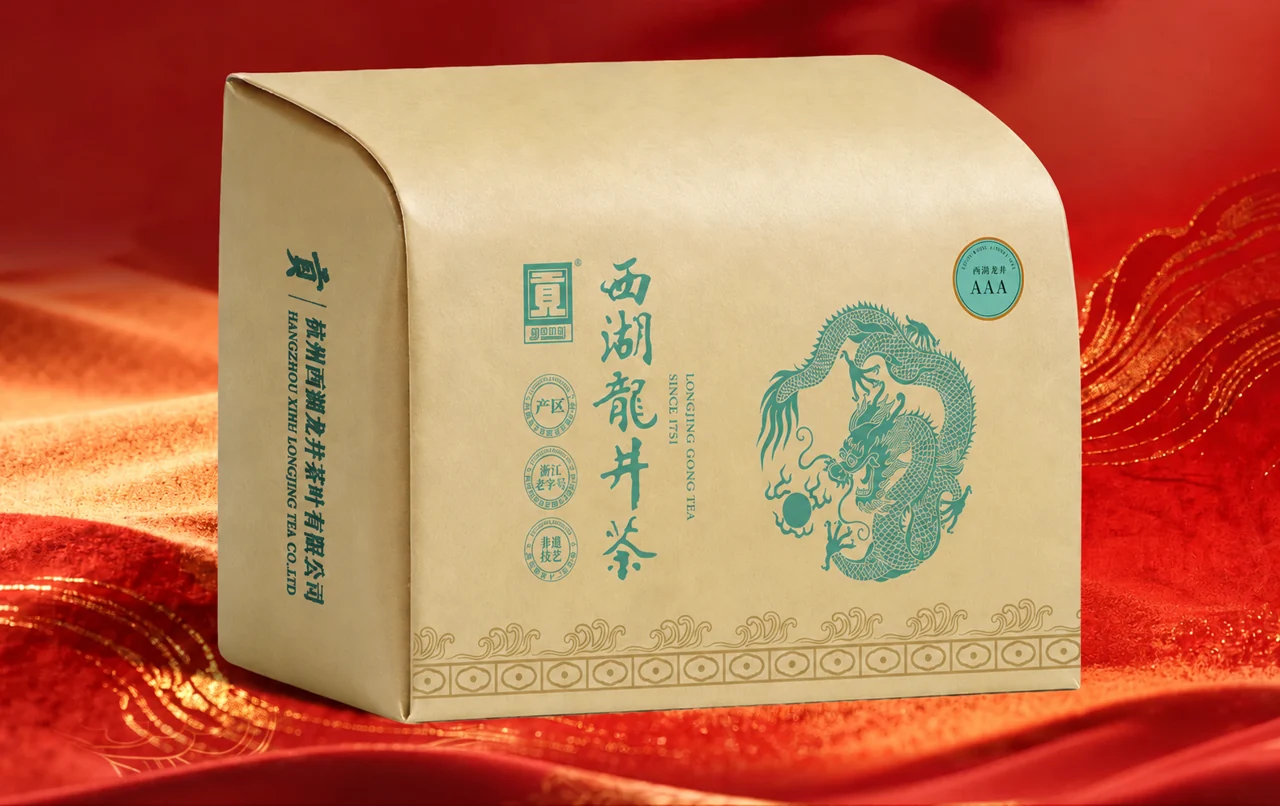
Paper packs, tins and presentation boxes serve different purposes. A gift box may be convenient for presenting tea, while a small tin can make it easier to try a grade before buying more. Compare the net tea weight, not the outer-box size. Mingqian means picked before Qingming; it is a harvest-period description, not a universal grade. Likewise, A, AA and AAA labels should be read as the particular product’s stated grading system.
Honors and public-event associations
The brand’s history and honors gallery describe gift-tea work from 1986, use at the United Nations pavilion of the 2010 Shanghai Expo, and an association with the 2016 Hangzhou G20 summit. The website also displays historical award plaques. These are dated parts of the company’s published story. They do not establish a current event endorsement or mean that a retail packet is identical to a tea supplied for a past event.
The website reports strong Tmall sales during 2020–2024 and an extensive retail network. Such figures are time-bound company statements; this profile does not turn them into a current market ranking or an independent “best Longjing brand” verdict.
The Xihu Longjing Tea Museum
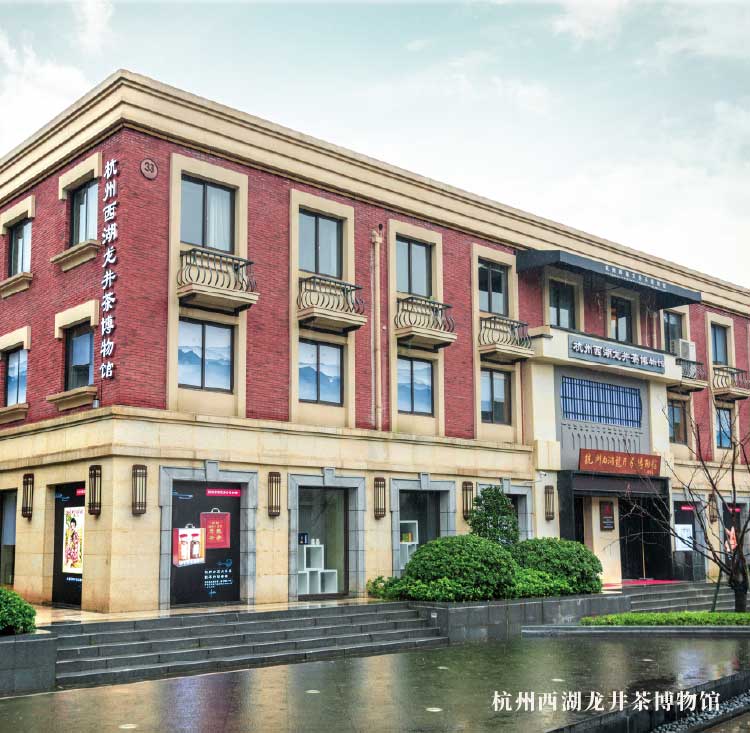
The official museum section introduces a company-supported museum in Hangzhou’s Longwu tea town, at 33 Jiujie. Its displays cover the history and material culture of Longjing, including tea containers, labels, books and tools. The company’s timeline dates its opening to 2018.
The museum adds a cultural dimension to the brand: Longjing is presented through objects, trade and everyday tea life, alongside cultivation and processing. If you plan to visit, confirm the current address, opening arrangements and admission details directly with the venue before travelling.
How to choose a Gong Pai tea
Start with the origin and the size you will realistically finish. Then compare harvest information, declared grade, net weight, packaging, production date and storage instructions. A larger gift box is not necessarily more tea, and a higher price is not a substitute for a clear product description.
For West Lake Longjing, inspect the applicable origin and traceability information on the actual package. Our authenticity guide and origin-label guide explain the checks in more detail. Appearance and taste can help assess a tea’s condition, but they cannot prove its geographical origin by themselves.
For a first cup, a heat-safe glass or glazed porcelain vessel makes the leaves easy to watch and the infusion easy to control. Around 80–85°C (176–185°F) is a practical starting temperature for many tender green teas; adjust leaf quantity and time to the batch and your preference. Keep unused tea well sealed, dry, away from light and strong smells. Read the Longjing brewing guide for a repeatable starting method.
Questions readers often ask
Are Gong Pai and Hangzhou Xihu Longjing Tea Co., Ltd. the same name?
They refer to different parts of the same brand story: Gong Pai is the brand, while Hangzhou Xihu Longjing Tea Co., Ltd. is the company identified on its official website. Compare the Chinese names on packaging when matching an English listing.
Is every Gong Pai Longjing a West Lake tea?
No. The official site lists Qiantang Longjing separately from West Lake and Shifeng ranges. Read the individual tea’s origin.
Does AAA mean a protected-origin certification?
No. A commercial grade and a geographical-origin designation answer different questions. Check both the grade description and the product’s origin information.
Where can I compare the products on Sandao?
Browse our Longjing tea products, or return to the Longjing tea knowledge hub. This company profile complements the separate Gong Pai Jingpin versus AA review; it is not a new side-by-side tasting.
Official sources and image credits
Primary sources: company homepage, Gong Pai brand history, Qi family heritage, Longjing origins, the three product-range pages linked above, and the museum introduction. Images are credited to the Gong Pai official website and the brand materials supplied for Sandao’s product listings. Physical Chinese lettering remains part of the photographed objects; English captions explain the context.