О чае и чайной посуде
Liubao Tea Seasons: Sheqian, Qingming, Qixi and Frost
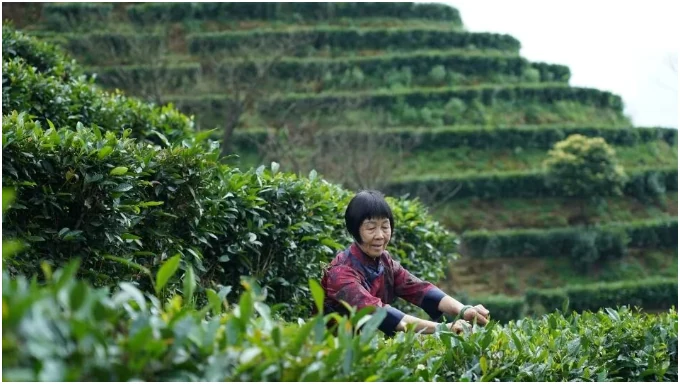
A tea calendar can tell a story about local weather and custom as well as leaf maturity. In Liubao, seasonal names range from delicate early spring shoots to larger leaves gathered in autumn. The names are useful context, but they do not replace an actual harvest date, picking standard and processing description. A label from a previous year should never supply this year’s festival date.
Sheqian and Qingming spring tea
Sheqian means before the spring She festival, whose traditional calendar date changes each year. Tender buds and young leaves can give a fine, honeyed or floral cup when made in a suitable traditional style. Qingming tea is a broader local spring harvest description around the Qingming period. Later growth may give larger, heavier leaves and a different balance of aroma and body. These are tendencies shaped by the garden and the year, not fixed quality rankings.


Qixi tea and local customs
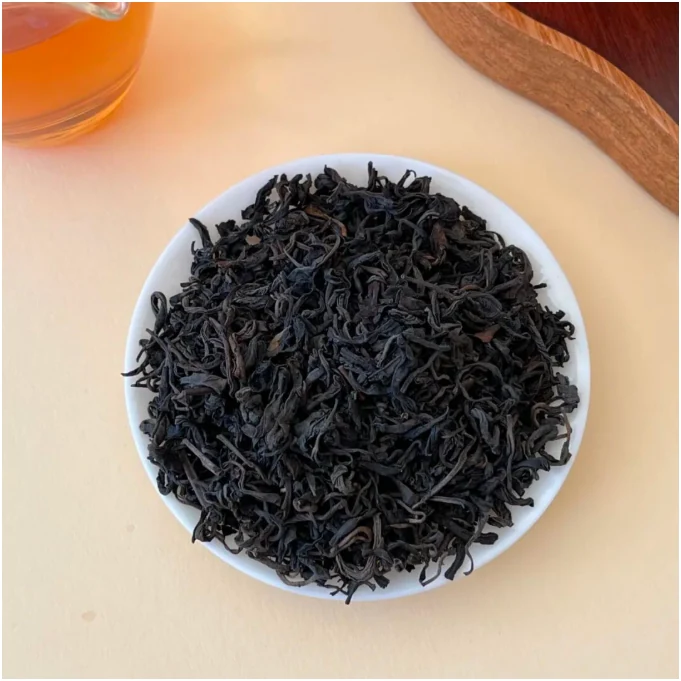
Qixi tea refers to a harvest associated with the seventh day of the seventh lunar month. Local accounts also describe collecting spring water on that day. That custom belongs to cultural history; it does not establish that stored water stays safe for years or treats illness. Use clean drinking water for brewing. The flavor of a Qixi lot still depends on the leaves, manufacture and storage rather than the calendar name alone.
Shuangjiang and Lao Cha Po
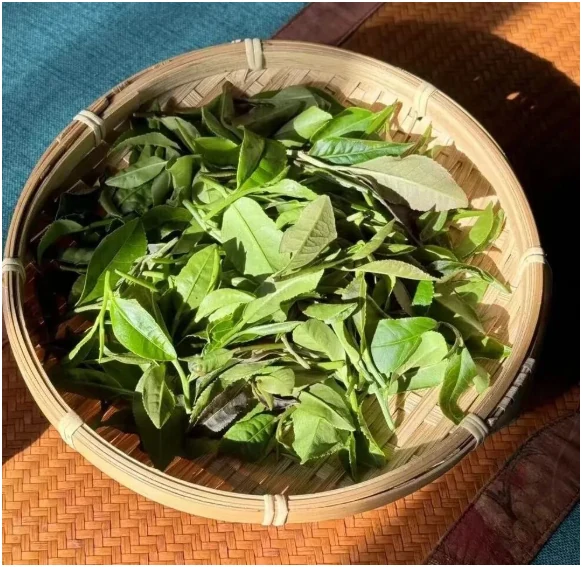
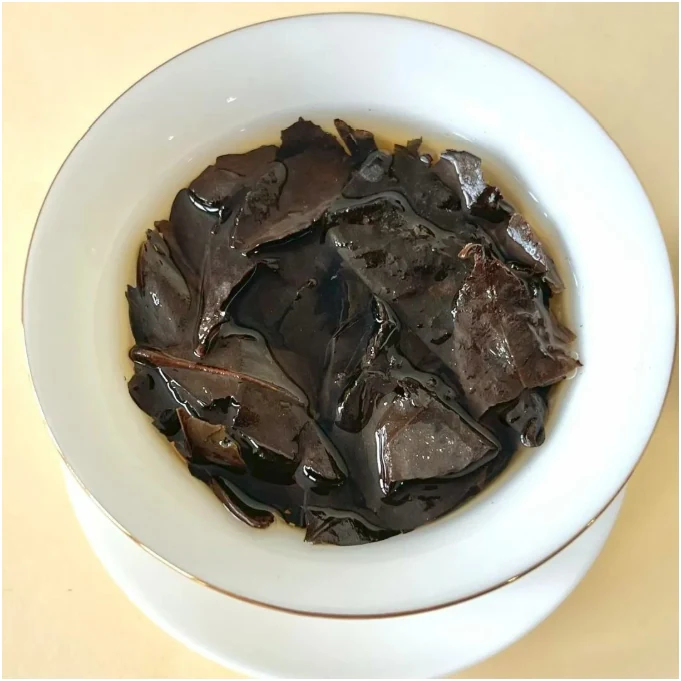
Lao Cha Po is associated with mature, larger leaves, often discussed in connection with the Shuangjiang or Frost’s Descent period. “Old leaf” describes the material, not necessarily a decades-old finished tea. In suitable examples the cup may be sweet and rounded, with dried-fruit or herbal associations after storage. A coarse-looking leaf need not be poor quality for this style, and a harvest date cannot guarantee one aroma.
Ask four simple questions
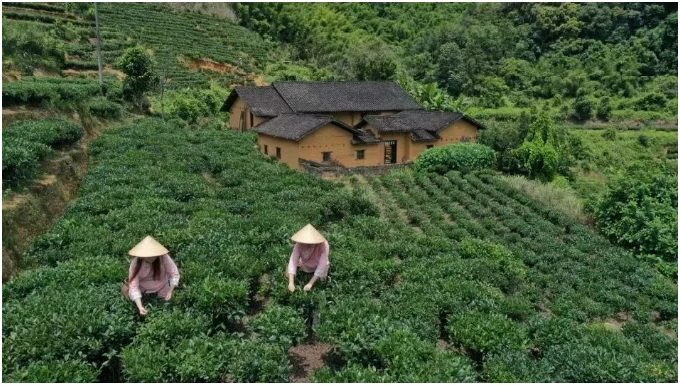
When was it picked? Which leaves were selected? How was it made? How has it been stored? Those four questions give a more useful comparison than deciding in advance that the earliest spring tea or latest autumn tea must be best. Try a small sample and record the actual cup; seasonal names become more meaningful once connected to a flavor you know.