О чае и чайной посуде
Phoenix Dancong Spring vs Autumn Tea: What Changes?

Harvest season can influence Phoenix Dancong, but it works together with cultivar, site, weather and manufacture. Spring tea is often discussed for its balanced body and autumn tea for its expressive fragrance. These are useful starting expectations, not promises that every spring lot is fuller or every autumn lot more aromatic.
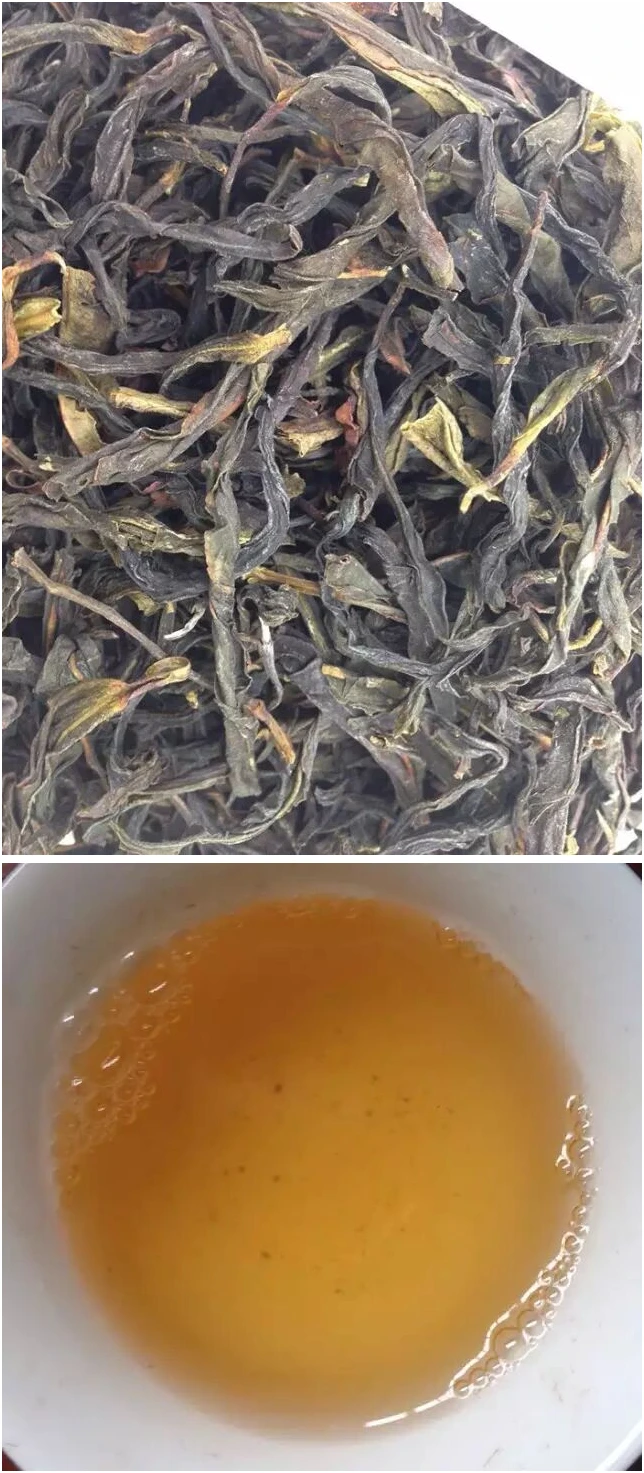
Spring material
Cooler spring conditions and the plant’s growth cycle can produce material with a different balance from warmer-season harvests. In a well-made lot, look for a coherent liquor, clarity and a satisfying finish. Leaf thickness or the color of the dry tea can support a comparison, but oxidation and roast change both, so they are not a reliable season certificate.
Autumn and other harvests
Some autumn lots show a notably clear floral fragrance. Body, bitterness and persistence still vary by batch. Summer tea should not be rejected or accepted solely because of its season either. Ask for the cultivar, picking period and roasting style, then compare a sample under the same brewing conditions.
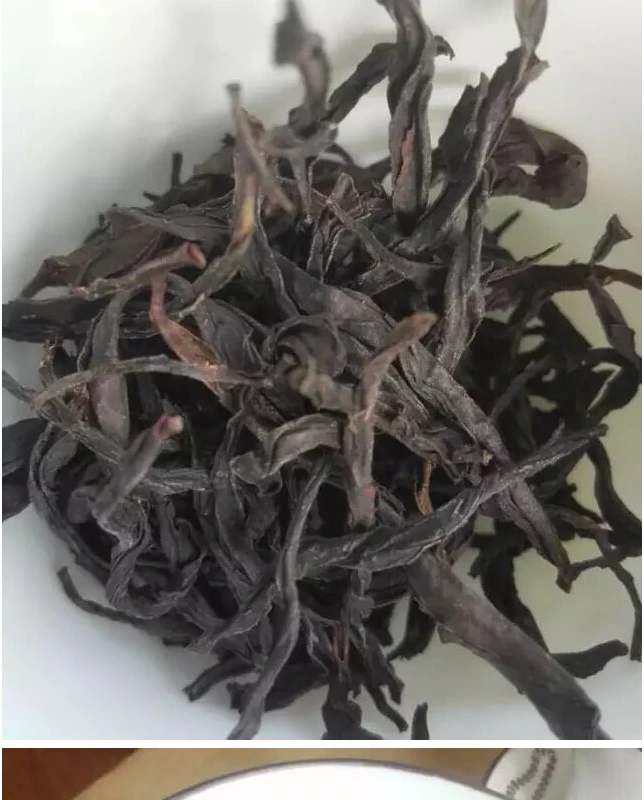
Photographs and old prices have limits
The original examples were individual reader-submitted teas, not a controlled season trial. Their historical price comments cannot establish today’s market value. A photo also cannot reliably confirm origin or date. A seller’s lot records and a well-described sample provide a better basis for choosing between spring and autumn tea.
Use short infusions for a fair comparison
Start with around 5–7 g per 100 mL in a gaiwan, hot water and a brief first infusion. Drain completely and extend later infusions gradually. Adjust the dose if bitterness dominates. A fixed instruction to fill a vessel almost completely with leaves is difficult to reproduce across different leaf sizes; weighing tea is more consistent.