О чае и чайной посуде
«Red Sandyclay Заварочный чайник»: производство пива и забота о нем Чжуни
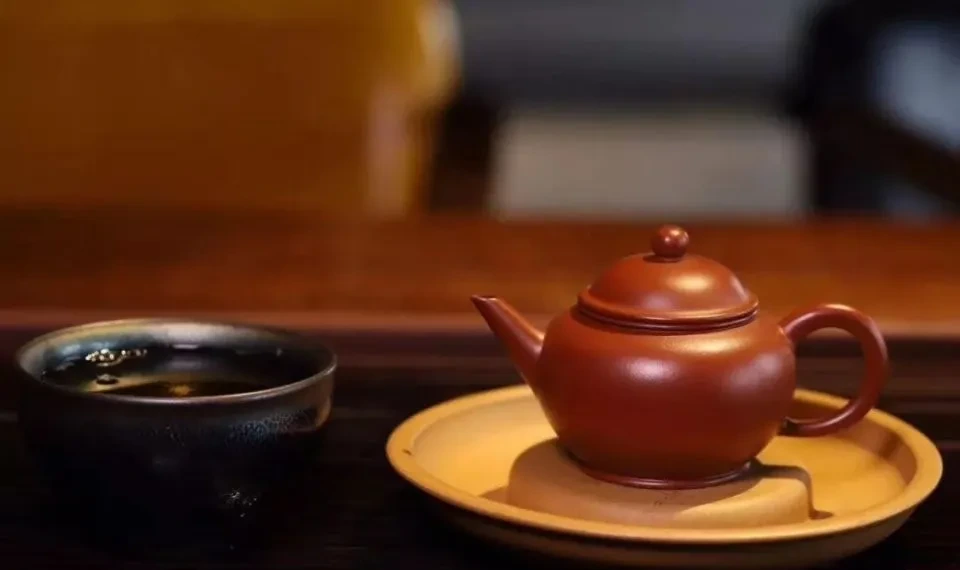
A red sandyclay teapot made from Zhu Ni can be a lovely companion for everyday tea. Its warm colour and fine-looking surface draw you in; the more useful question is whether its size, pour and handling suit the way you brew. You do not need a rare clay label or an elaborate seasoning ritual to enjoy it.
This guide follows Zhu Ni from the potter’s bench to the tea table: what the name tells you, which teas are worth trying, and how to warm, rinse and dry the pot without turning care into a chore.
What is a Zhu Ni teapot?
Zhu Ni is a clay name used in the Yixing teapot tradition of Jiangsu, China. English listings may call it red clay, vermilion clay or red sand clay. “Sandyclay” is a search and sales spelling, rather than a precise technical classification. A red-coloured Chinese tea pot is not automatically a Zhu Ni pot, and colour alone cannot establish where its clay came from.
The wider Chinese Yixing teapot tradition is centred on Dingshu, where local pottery techniques include shaping clay sheets by hand. The Исин отчет правительства о летательном аппарате describes that local heritage. For the broader family of clay names, see our Руководство по глине из Иксинга; this article concentrates on living with Zhu Ni.
Clay descriptions use regional names such as Huanglongshan, Xiaomeiyao and Zhaozhuang in connection with Zhu Ni. Treat these as claims to ask a seller about, not a colour chart: preparation and firing also affect the finished appearance. A photograph cannot reliably assign a pot to one of those sources.
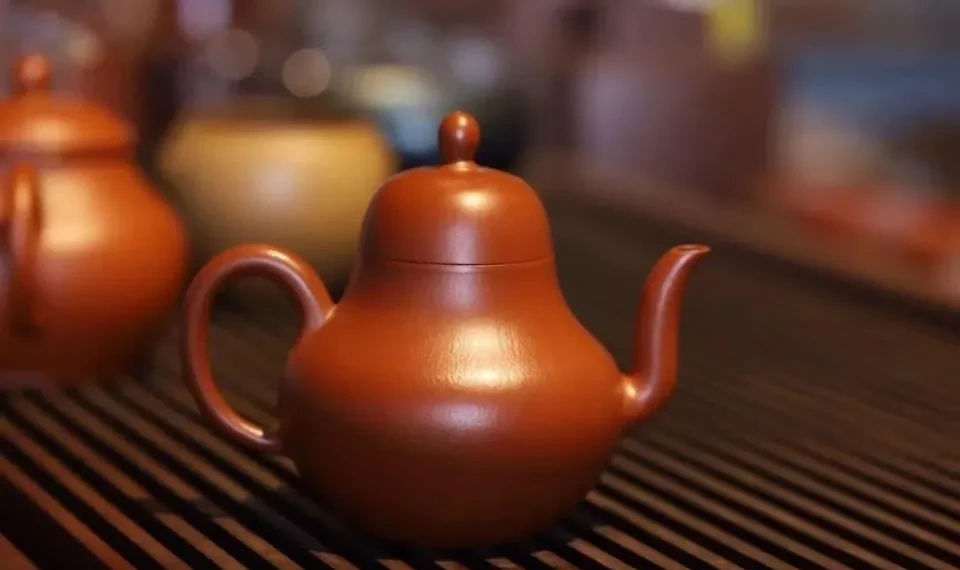
Why are so many Zhu Ni pots small?
Shrinkage and distortion during drying and firing help explain the challenges of working with this clay. These are practical reasons for a potter to choose a compact form and work carefully. They do not establish a universal size limit or one shrinkage percentage for everything sold as Zhu Ni. The particular clay body, preparation, wall thickness and firing schedule all matter.
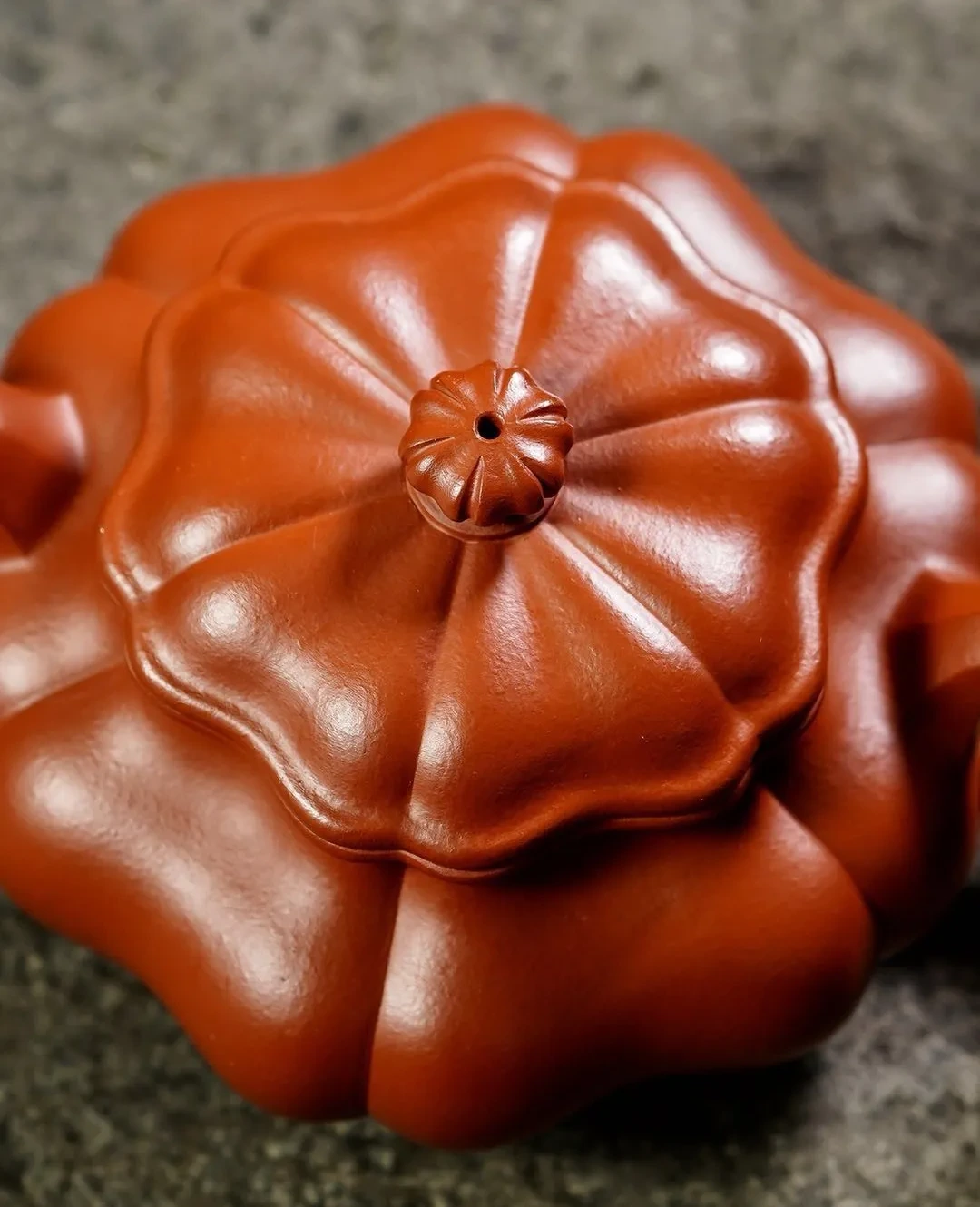
Small pots also make sense for gongfu tea: you brew a modest amount, decant it, and brew again. But do not buy by smallness alone. Check that the opening allows you to add and remove leaves, the handle feels secure, and the pot pours cleanly. A lobed body may be beautiful, yet its recesses need a little more attention when you rinse it. Our заварочный чайник Руководство по мощности explains why useful brewing volume matters more than a catalogue number.
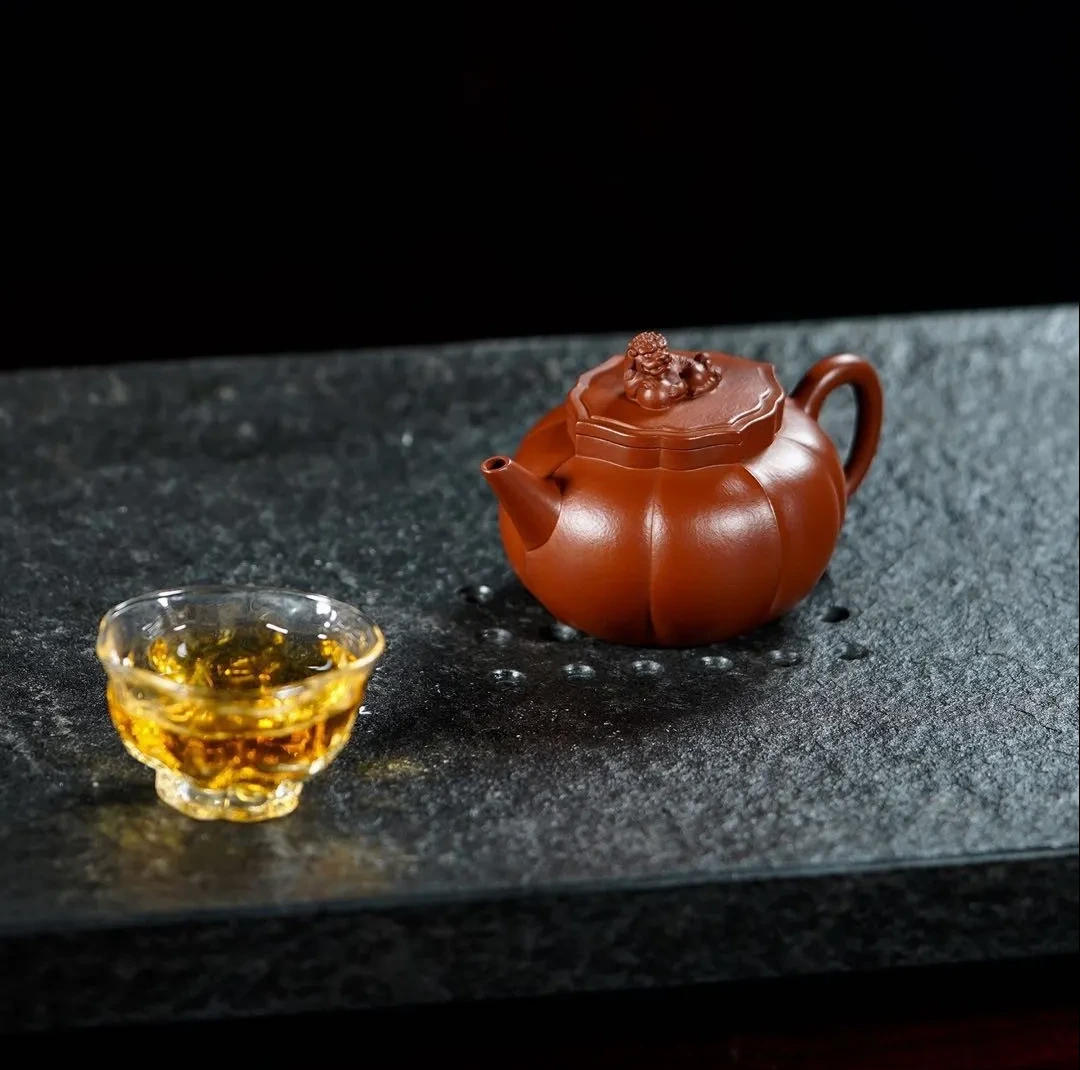
Brewing tea in a red sandyclay teapot
Zhu Ni is often praised by tea drinkers for a clear, lively presentation of aroma. That is a tasting preference, not a promise that every pot will make every tea sweeter or more fragrant. Clay labels alone do not tell you a finished vessel’s porosity or predict the taste in your cup. Leaf quality, water, temperature, brewing time and how completely you pour out the tea all deserve attention.
If you want to hear what your pot is doing, keep things simple. Brew the same tea with the same water in the Zhu Ni pot and in a porcelain gaiwan, keeping the leaf-to-water ratio and timing as close as practical. Compare the aroma, texture and finish while both cups are still fresh. Our article on whether a Yixing teapot changes tea flavour looks more closely at the evidence and its limits.
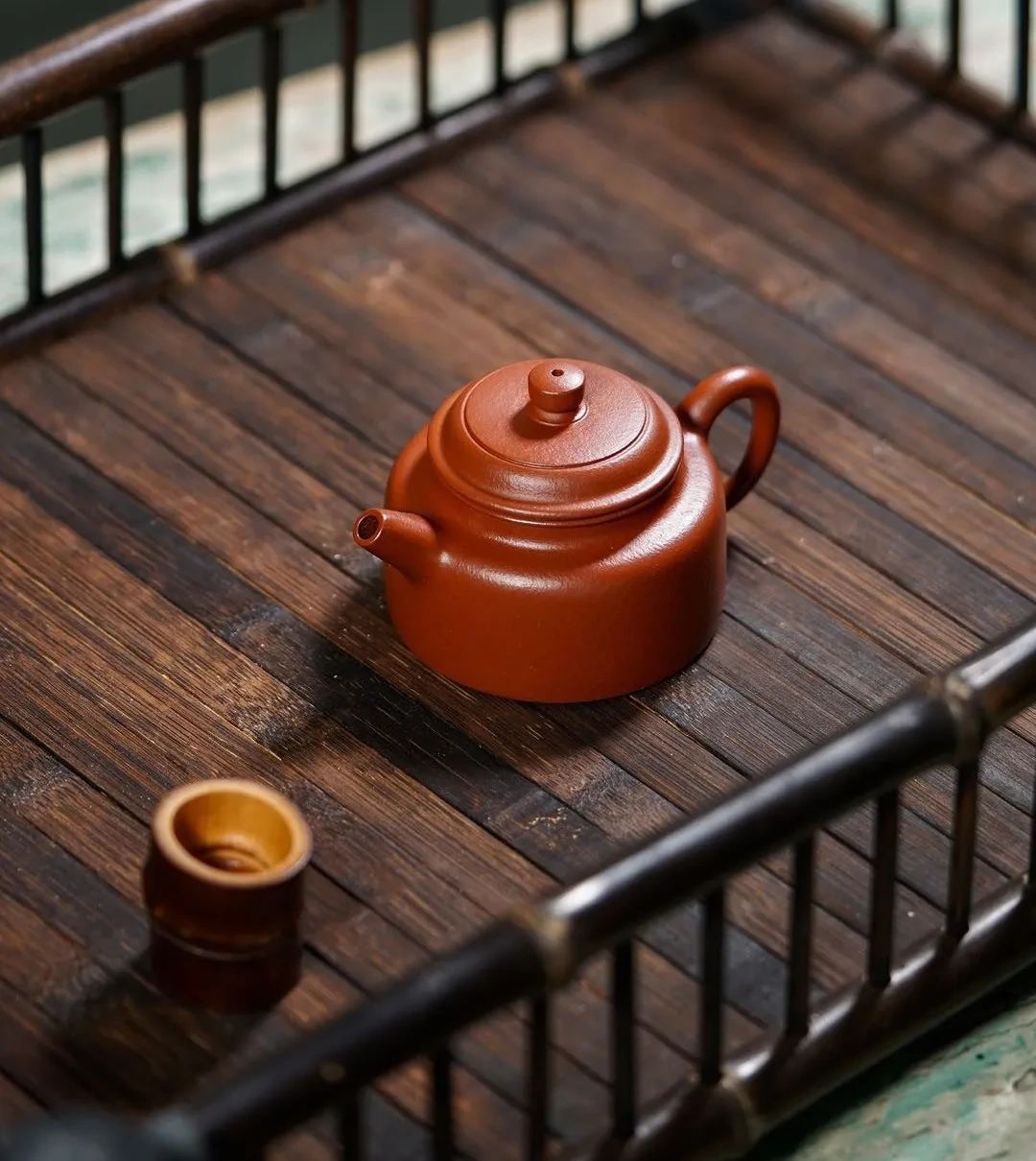
Which tea should you try first?
An aromatic oolong you already know—perhaps Tieguanyin or a Taiwanese high-mountain tea—is a sensible starting point. Follow that tea’s usual brewing instructions first, then adjust one thing at a time. If a rolled oolong opens into large leaves, leave enough room for them to expand and keep the spout clear.
Green tea such as Longjing can also be brewed in a small pot, but a porcelain gaiwan is often easier for watching the leaves and managing heat. Do not assume that hotter water or a longer steep will improve it. Follow the tea’s recommended temperature and decant promptly. Dark teas are a different category; they should not be grouped with lightly oxidised oolongs simply because both can be fragrant.
You may decide to keep one unglazed pot for a particular tea or a similar style of tea to limit flavour carryover. There is no need to make that a rigid rule before your first cup. For Phoenix Dancong specifically, use our separate Zi Ni, Zhu Ni and Duan Ni comparison rather than assuming Zhu Ni must always be the best choice.
First use without the elaborate ritual
Start with a clean vessel. Look inside the body, lid and spout for loose debris, and rinse carefully with warm water. There is no need to boil a new pot with tofu, sugarcane or other food. A first brew of tea is optional; it is not a treatment that verifies the clay or makes an unsuitable pot safe.
- Rinse the pot and lid with warm water, checking that the spout is clear.
- Warm the body gradually before adding hotter brewing water.
- Brew your chosen tea, then empty the leaves and rinse after the session.
If a strong unfamiliar smell remains after ordinary rinsing, stop and ask the seller about it. Do not try to hide the smell with strong tea or a long food-based soak.
Warm gently and let the pot dry
Avoid a sudden jump from a very cold pot to boiling water. Add warm water first, allow the body to warm, then move to the hotter water appropriate for your tea. Do the same with the lid. Do not put a tea-brewing pot directly on a stove or flame unless the maker explicitly says it is designed for that use.
This is ordinary ceramic care, not a claim that every Zhu Ni pot will crack in winter. Rapid temperature changes can create stresses in ceramics, as explained in Digitalfire’s thermal shock reference. The exact resistance of a particular pot depends on more than its clay name.
After brewing, remove the leaves, rinse, and leave the body and lid apart until they are dry. Wipe spills gently with a clean, soft cloth. You do not need to keep pouring tea over the outside, and leaving a coat of tea residue is not a shortcut to good care.
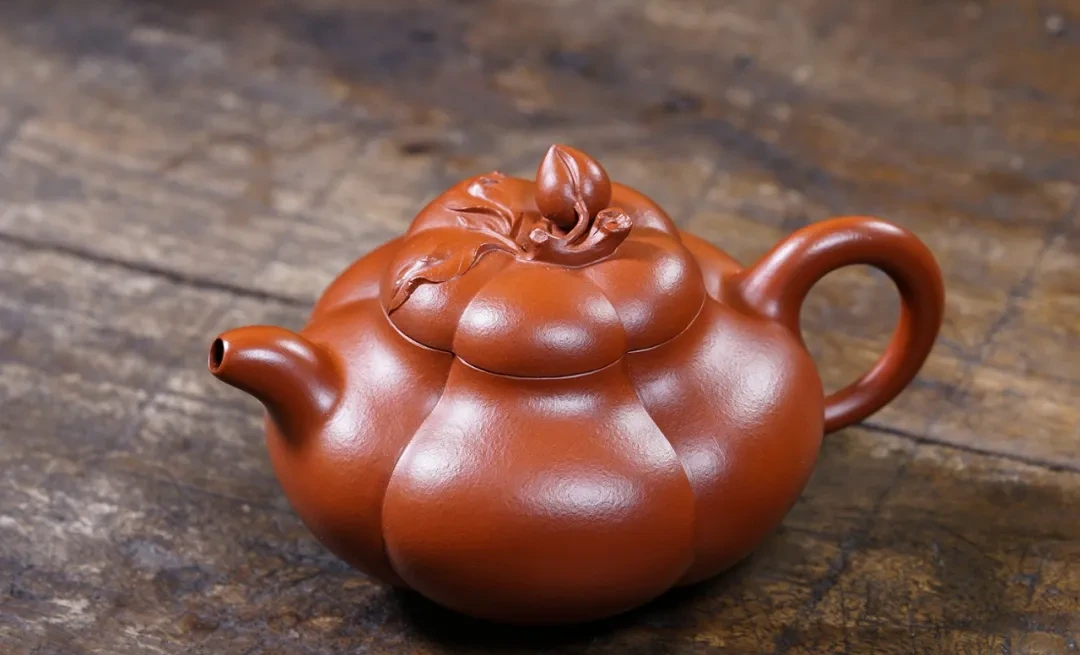
A surface that develops through regular use is different from one made shiny by repeated hard rubbing. Skip abrasive powders, vigorous polishing and aggressive scrubbing around the finial, lid edge and spout. A clean pot that feels good in the hand is a better goal than the brightest possible shine. See our guide to common patina mistakes for more on that difference.
Choosing a pot you will actually use
A good Chinese Yixing teapot should work for your tea and your hands. Ask about its maker, clay description, usable capacity and return terms. Examine the lid fit, the inside and the pour, rather than treating a red colour, a wrinkle or a resonant sound as proof of authenticity.
There is a long history behind red Yixing stoneware: the Metropolitan Museum of Art records a nineteenth-century Chinese example in that material. That history does not authenticate a modern seller’s pot—or the pieces pictured here. The supplied photographs illustrate the forms discussed; their exact clay sources and makers have not been independently established.
If the shape appeals to you, the seller’s description is credible and the pot is comfortable to use, that is a sound reason to give Zhu Ni a place on your tea table. Enjoy the tea, rinse the pot, and let the next session do the rest.