О чае и чайной посуде
What Is Lapsang Souchong? A Guide to Zhengshan Xiaozhong
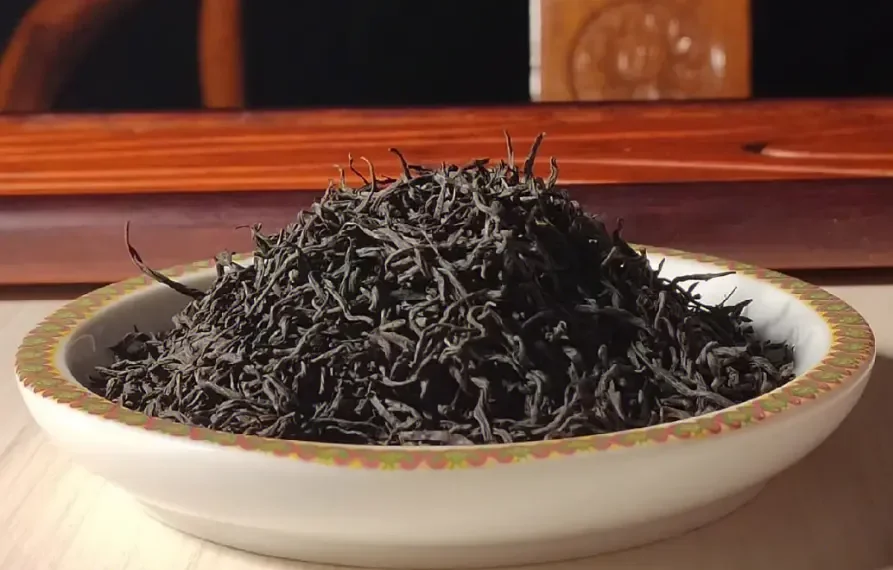
Lapsang Souchong is a Chinese black tea associated with Tongmu in the Wuyi Mountains of Fujian. Its Chinese name is Zhengshan Xiaozhong. The smoky version is familiar to many overseas drinkers, but a packet sold in China may be an unsmoked style with floral, fruity or honey-like aromas.
A Chinese black tea with a long history
Black tea processing includes withering, rolling, oxidation and drying. In traditional smoked Lapsang, smoke contributes another layer of aroma. It is different from Wuyi rock oolong, even though both are linked with the wider Wuyi region.
Tongmu is central to the tea's history. The producer Zhengshantang describes a family tea-making tradition spanning centuries. Stories about an accidental beginning are best read as origin traditions, rather than a precisely documented account of one afternoon.
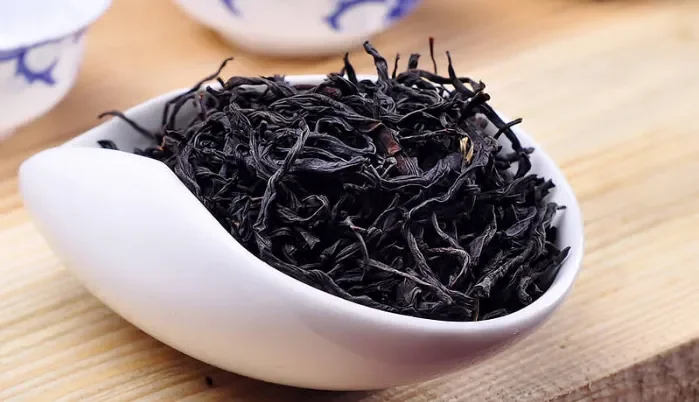
What does “Zhengshan” tell you?
The name has an association with the original mountain growing area. It is not enough to see “Wuyi,” a mountain photograph or a rustic package. Ask where the fresh leaves were grown and which producer made the tea. Similar-looking black tea from another area does not establish Tongmu origin.
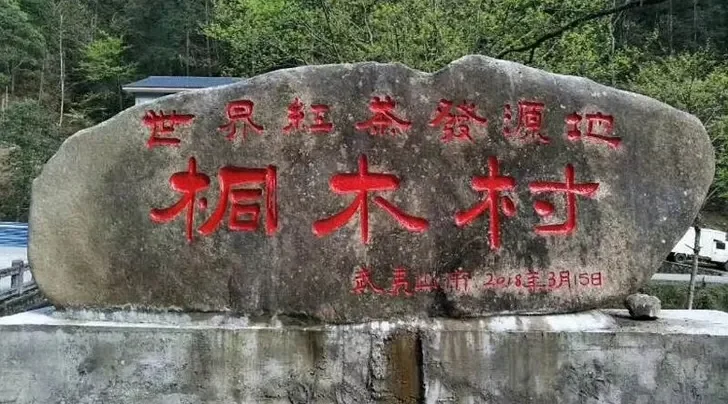
The stone marker pictured here identifies Tongmu Village; the inscription is part of the photographed place. A scenic image illustrates the setting, but does not authenticate a particular tea batch.
Smoked or unsmoked: read the packet first
Smoked tea can suggest pine, a wood fire and dried longan. Unsmoked tea often brings the sweet, floral and fruity side forward. These are tasting descriptions, not promises that every cup will have the same aroma. Neither style is automatically superior.

A useful first purchase
Choose a small pack with an identifiable producer, stated origin, production or batch information and a clear processing description. Brew it plain first. Look for a clean aroma, a balanced cup and a finish you enjoy, rather than judging by smoke intensity or golden tips alone.
For the next step, compare smoked and unsmoked styles or read the Tongmu origin guide.
Source: Zhengshantang's account of its tea-making history. Historical claims are attributed to the producer.