أدلة الشاي وأدواته
Compressed vs Loose Pu-erh Tea: Cakes, Bricks and Tuocha
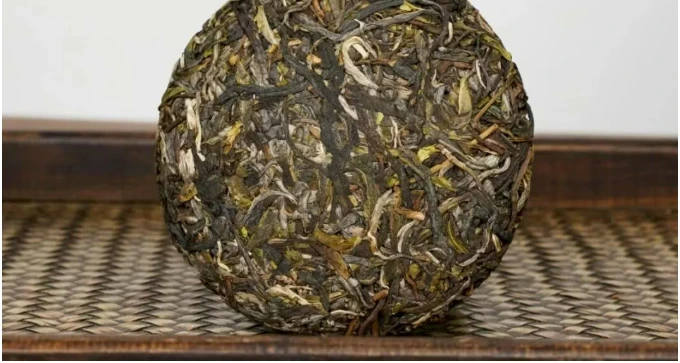
A tea cake is not a different plant from loose Pu-erh. Compression is a finishing choice that changes handling and the way leaves open in water. Both raw and ripe Pu-erh can be sold in loose or compressed form. Quality still starts with material, manufacture and storage, not with whether a tea has been pressed into a familiar shape.
Why cakes, bricks and nests became useful
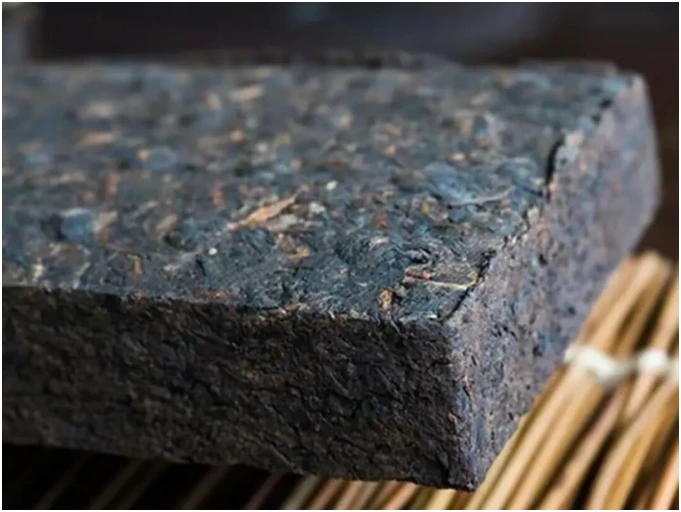
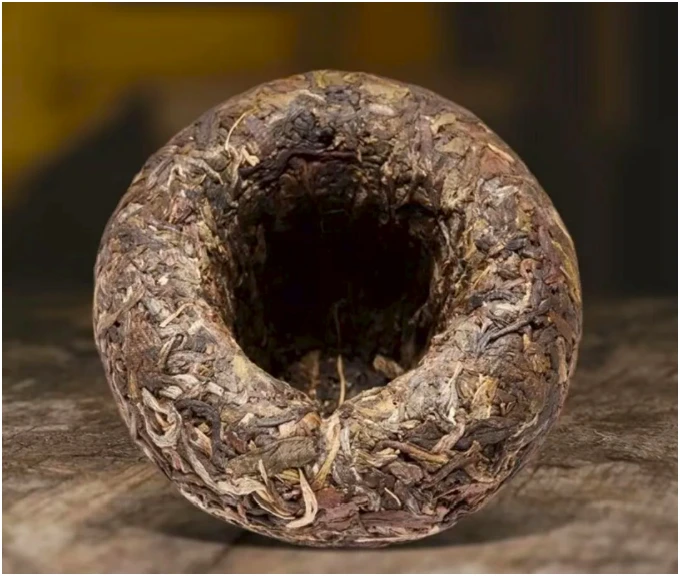
Reducing volume made tea easier to pack and transport. Cakes, bricks and nest-shaped tuocha developed in different trading and manufacturing traditions; small dragon-ball portions are convenient for single sessions. A commonly seen 357 g cake is not the only legitimate weight. Check the stated net weight and unit count rather than assuming every wrapper follows the same format.
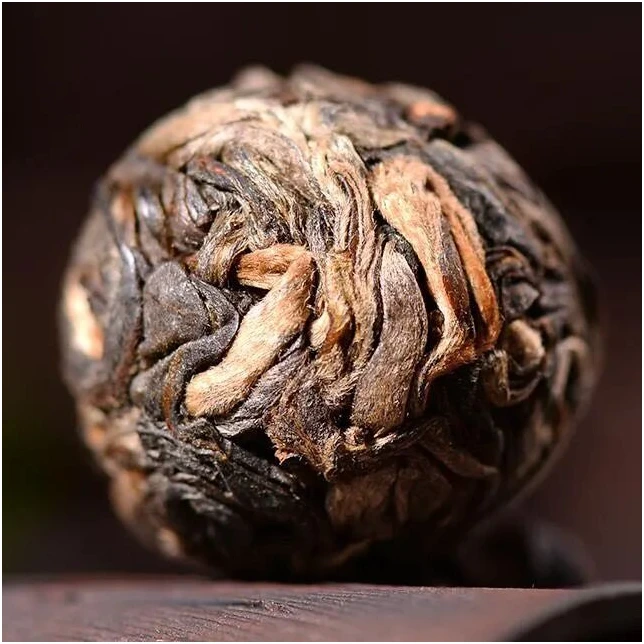
Storage differences are more complex than no oxygen
A compressed cake exposes leaves differently from a loose pile and may exchange moisture more slowly. That can affect aging, but it is misleading to say a tea cake is simply an oxygen-free fermentation chamber or that loose tea cannot age. Compression, packaging, moisture, temperature and the starting tea all interact. Neither form prevents mold if storage is unsuitable.
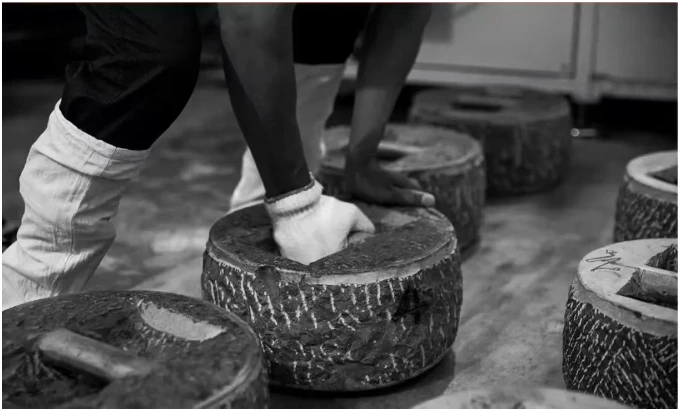
Choosing and brewing each form
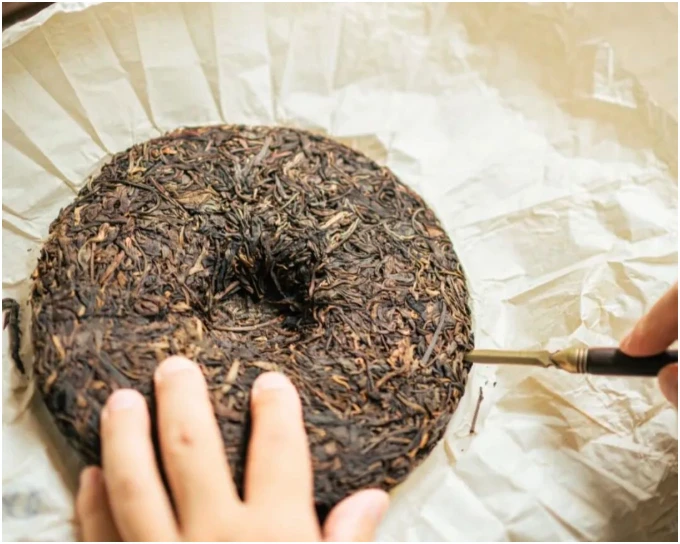
Loose tea is easy to portion and inspect. With a cake, examine material from the interior as well as the surface; attractive outer leaves do not describe the whole piece. Pry gently with the tool pointing away from your body and hand, then weigh the portion. Give tightly compressed pieces time to open and adjust successive infusions. A sample is more useful than choosing by shape alone.