أدلة الشاي وأدواته
Nine Chinese Green Tea Origins Worth Knowing

A place name can explain a tea’s history, growing conditions and local craft. It cannot replace information about the actual batch. The nine areas below are useful starting points for exploring Chinese green tea, rather than a ranking of the only places capable of producing an excellent cup.
West Lake Longjing and Dongting Biluochun
Shifeng, or Lion Peak, is one of West Lake Longjing’s well-known historic names around Hangzhou. Other authorized West Lake areas also make worthwhile tea; a Shifeng claim should be supported by traceable origin information. Dongting Biluochun belongs to the East and West Dongting mountain areas around Lake Tai near Suzhou in Jiangsu. This is not Hunan’s Dongting Lake. East and West Mountain names describe locations, not an automatic quality order.

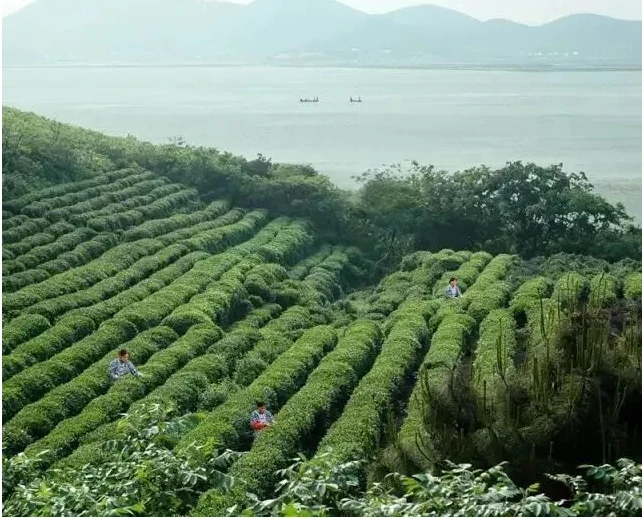
Xinyang Maojian and Huangshan Maofeng
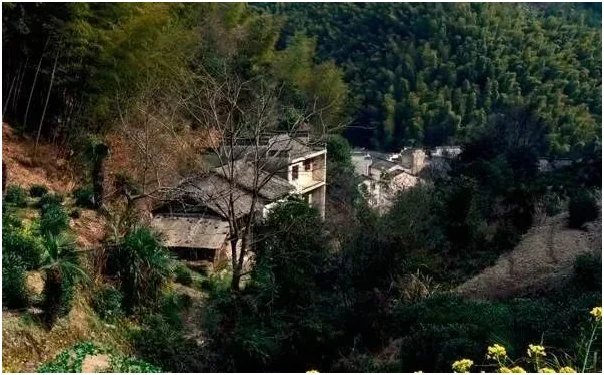
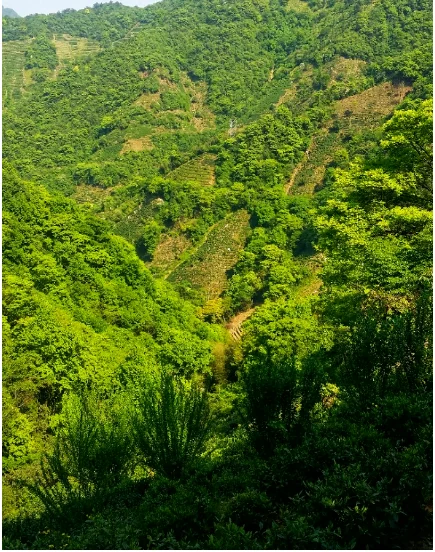
Cheyunshan is among the celebrated mountain names associated with Xinyang Maojian in southern Henan and the Henan–Hubei border area. For Huangshan Maofeng in Anhui, Fuxi and the Chongtouyuan area are important in local production history. Hills, moisture and shade influence growing conditions, while picking and processing determine how that potential reaches the cup. Neither altitude nor a forest photograph certifies the product.
Lu’an Guapian and Taiping Houkui
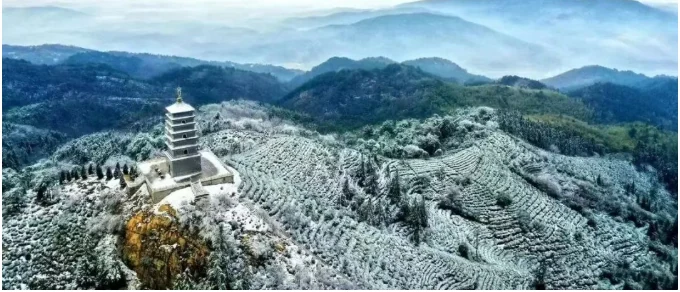
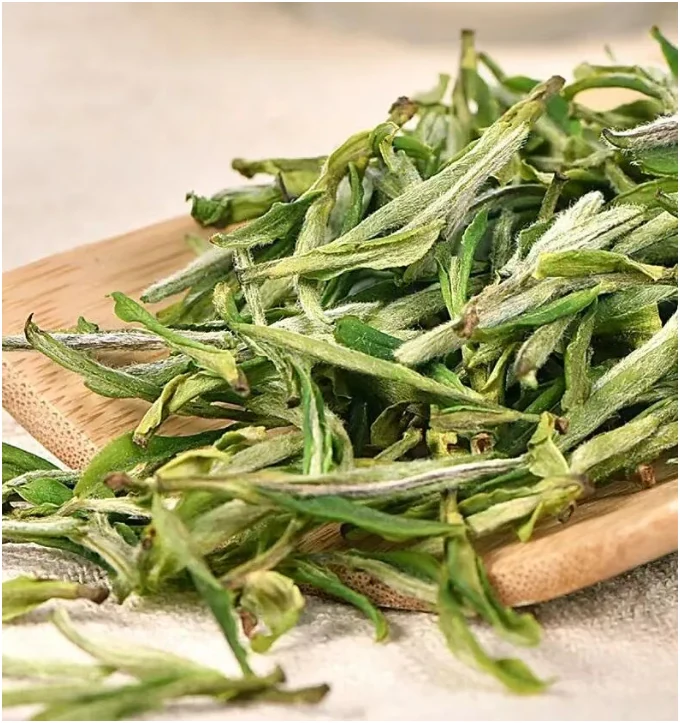
Qishan in Jinzhai County is a recognized name in the Lu’an Guapian tradition, within the wider Dabie Mountain tea landscape of Anhui. Houkeng, Hougang and nearby areas of Huangshan District are closely associated with Taiping Houkui. Guapian’s leaf-blade selection and Houkui’s long, carefully shaped leaves show why different teas need different harvesting standards; a small early bud is not the goal for every green tea.


Anji Bai Cha, Duyun Maojian and Enshi Yulu
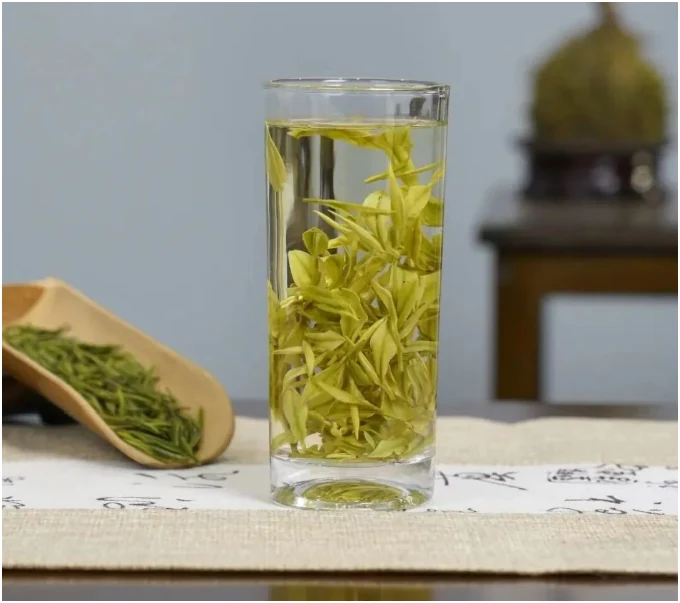
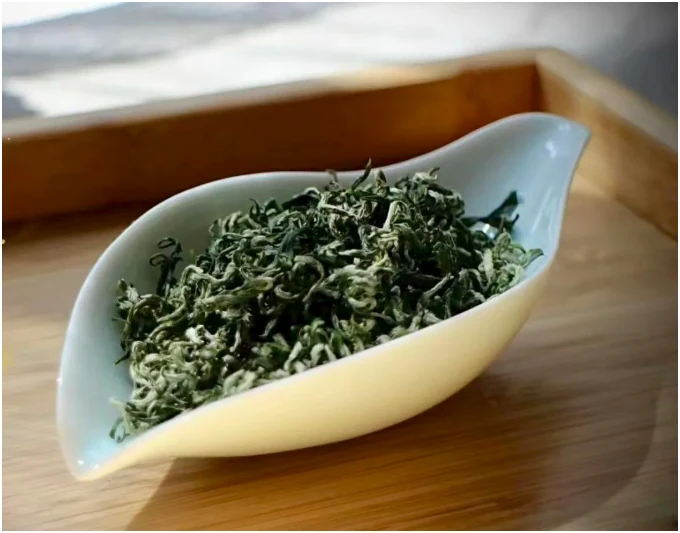
Xilong Township and Huangdu Village are important names in Anji Bai Cha’s development in Zhejiang. Luosike is a notable mountain area for Duyun Maojian in Guizhou. Bajiao Township and Huanglianxi are associated with the steamed-green-tea tradition of Enshi Yulu in Hubei. These names introduce a local story; they do not mean every lot from the named place outranks tea from its neighbors.

Turn a place name into a useful buying question
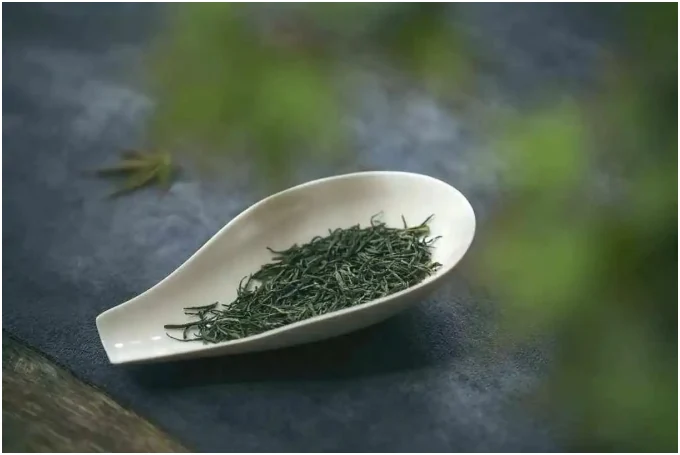
Ask where the leaf was grown, where it was processed, which harvest the packet contains and what documentation supports a protected origin claim. Then taste the actual tea. The point of learning these regions is to make a more informed choice, not to replace one marketing superlative with another.