أدلة الشاي وأدواته
Green Tea and Asthma: What an EGCG Study Actually Tested
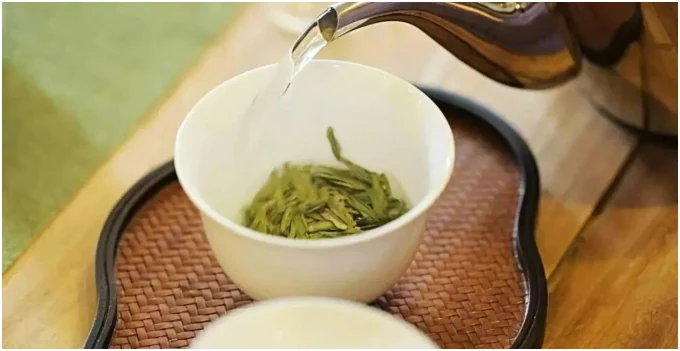
A headline that green tea improves asthma can hide a major step in the evidence. The study cited in the supplied article tested a purified green-tea compound, EGCG, in experimental models. It did not test ordinary tea drinking as an asthma treatment in patients.
What the paper investigated
The International Immunopharmacology paper used ovalbumin-induced asthma in mice and complementary cell experiments. Researchers examined airway responsiveness, inflammation, mucus-related changes and signaling involving TNF-α, TNF-R1 and NLRP3. The reported improvements help investigate a possible mechanism; the animal work was not an in-vitro-only experiment, and neither model was a clinical trial.
Why the dose cannot become a brewing recipe
A purified compound of specified concentration is different from a cup whose catechin content changes with leaf, water and brewing. Body-weight dosing in mice cannot be translated directly into a number of cups for a person. Better laboratory markers also do not establish that patients would have fewer attacks, better daily control or less need for prescribed treatment.
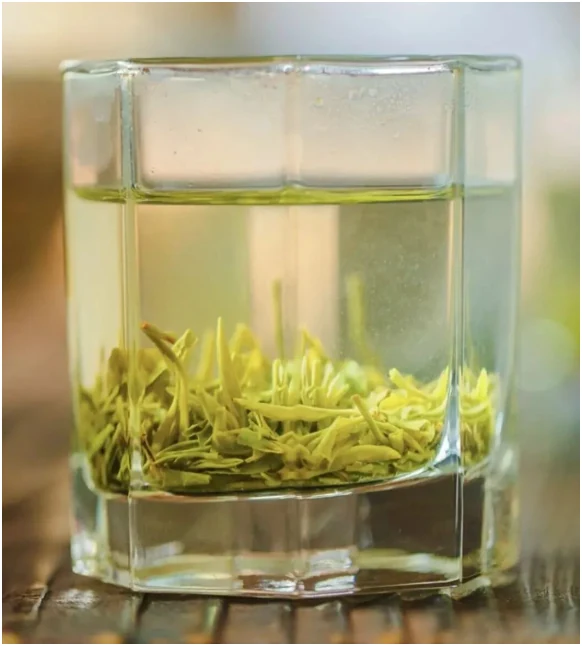
A research lead, not a replacement inhaler
The work supports further investigation of EGCG and inflammation. It does not establish green tea as rescue treatment or justify stopping an asthma plan. High-dose extracts add different safety questions from an ordinary beverage. If you enjoy tea, consider personal caffeine tolerance and keep asthma management with the appropriate clinical care.