Ratgeber zu Tee und Teegeschirr
Dongting Biluochun: Five Checks Before You Buy

Dongting Biluochun is associated with the East and West Dongting mountain areas near Lake Tai in Suzhou, Jiangsu. A curly green tea made elsewhere is not proof of that origin. The practical task is to combine traceable information with a sensible assessment of the tea, rather than memorize five visual tricks.
1. Start with the origin claim
Ask where the fresh leaf was grown, which business produced it and what batch or protected-origin documentation supports the label. A Suzhou sales address alone does not establish a growing location. Keep the packet and receipt if paying a premium for a named origin.
2. Observe the dry leaf
Fine, curled leaves and visible pale down are familiar Biluochun characteristics. Their expression varies with grade, picking and handling. Down quantity, curl tightness and leaf size can help describe a sample, but cannot authenticate the mountain or prove that another regional green tea is fake or poorly made.

3. Brew gently; do not time the sinking
Try about 2 g per 250 mL with 80–85°C water first, adjusting to the tea. Adding the leaf after water is one option for delicate material. Sinking depends on shape, wetting, air and pouring. Fine down can also affect appearance in the liquor, so neither immediate sinking nor perfect transparency is a reliable origin certificate.
4. Smell and taste the whole cup
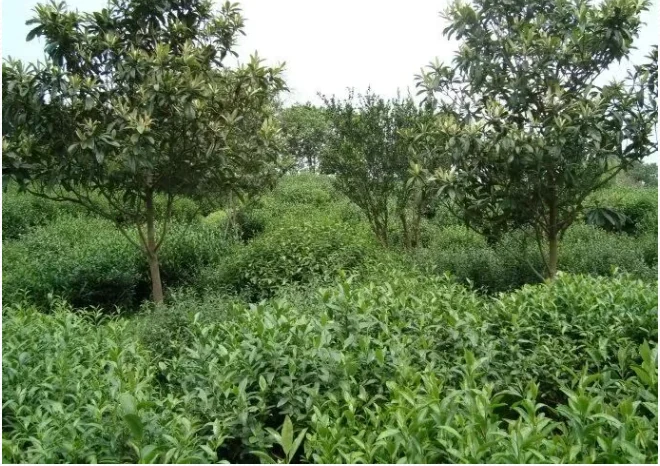
Floral and fruity descriptions are common for Dongting Biluochun. Evaluate clean aroma, freshness, texture and finish together. Tea–fruit intercropping is part of the region’s landscape; it does not mean roots literally transfer a fruit’s taste into every leaf. An aroma word alone cannot settle provenance.
5. Review the infused leaf and the evidence
Leaf condition and uniformity can reveal picking or handling differences, but year, origin and safety are separate questions. Buy a small sample from a producer who explains the tea clearly. If documentation and the product conflict, ask for clarification instead of making a conclusion from one photograph.