Ratgeber zu Tee und Teegeschirr
Chenpi Tea Uses: Chinese Tradition and Practical Precautions
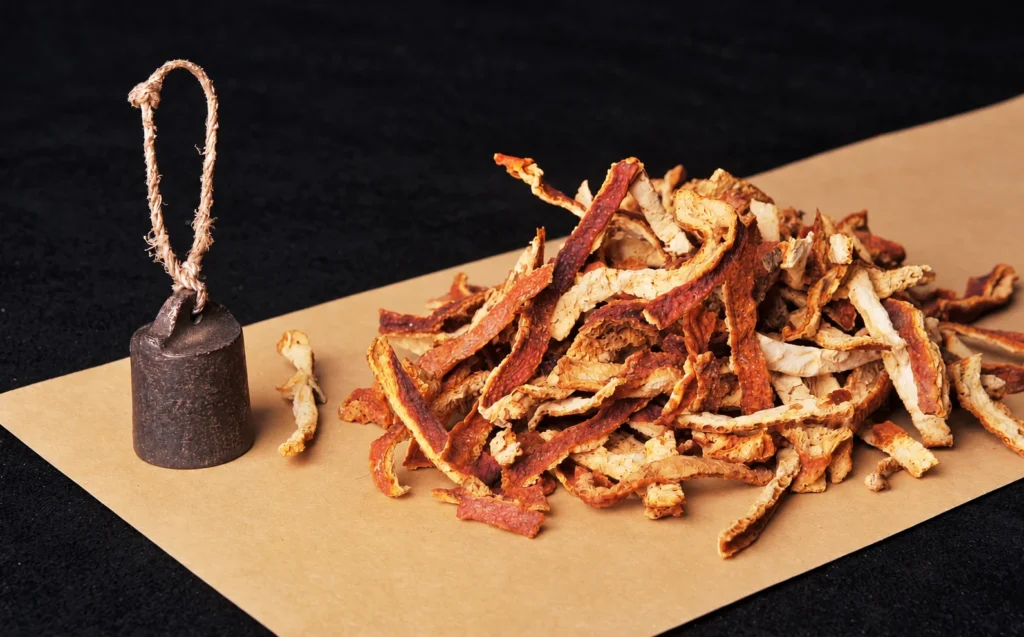
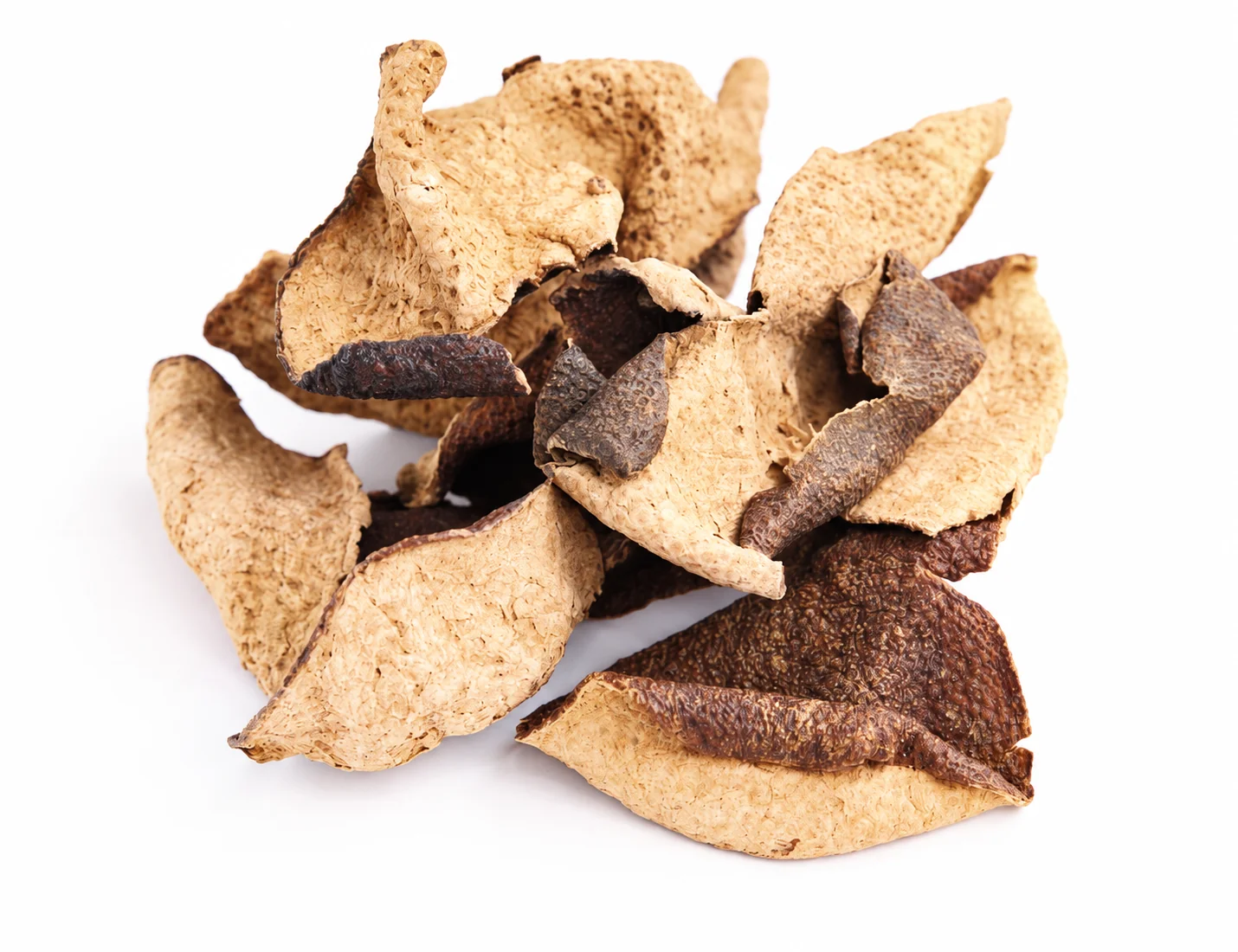
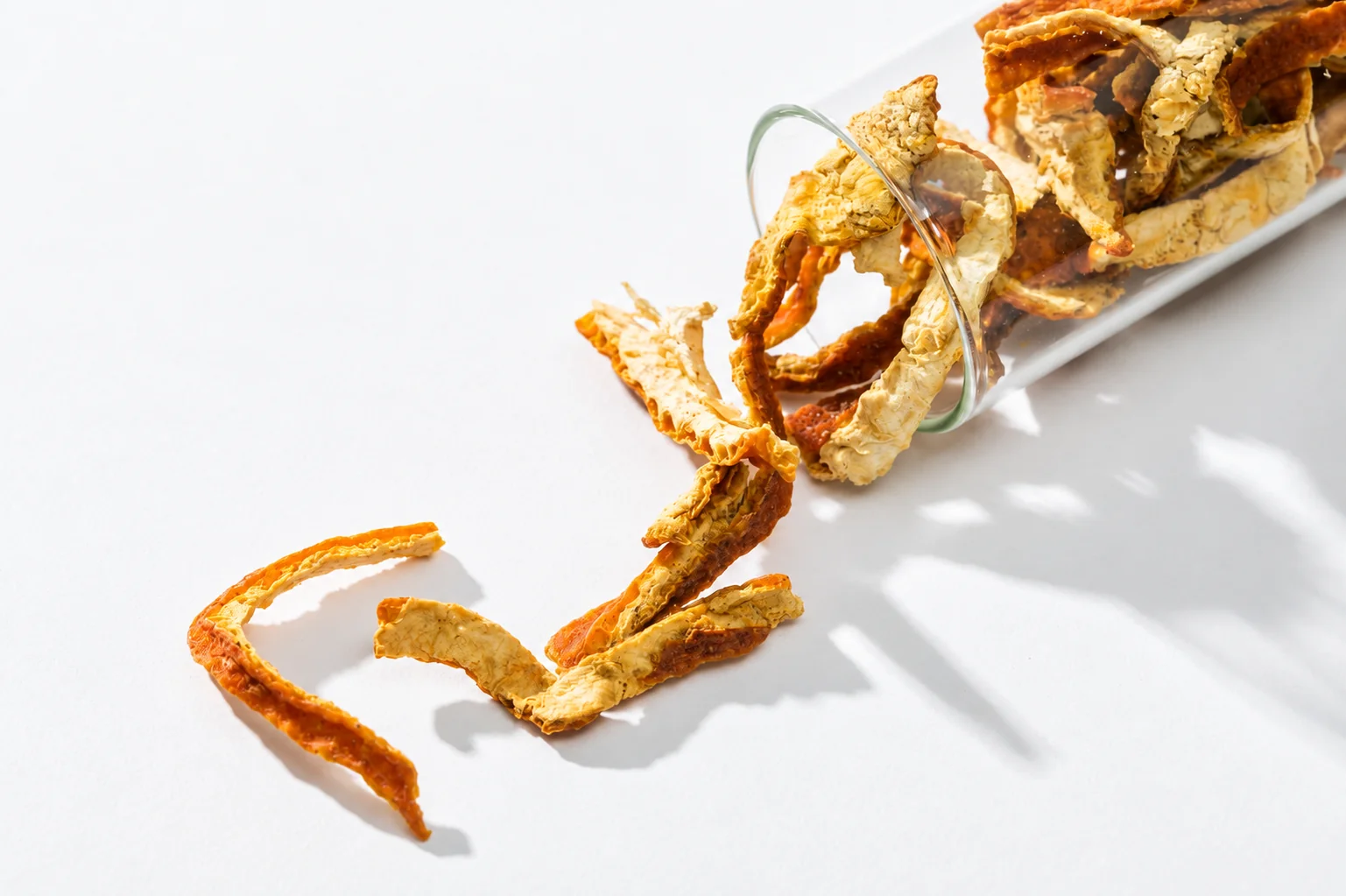
Chenpi tea is a fragrant infusion made with dried tangerine peel. In Chinese homes, it may appear beside a meal, in a pot of tea, or in the kitchen as a seasoning. Its long history in traditional Chinese medicine explains why questions about its “benefits and contraindications” come up so often.
The useful distinction is between enjoying a food ingredient and using a medicinal preparation. A pleasant cup does not establish that it can treat a symptom.
What Chinese tradition says about chenpi
In traditional Chinese medicine, chenpi is described as pungent, bitter and warming, with uses expressed through concepts such as regulating qi and resolving phlegm. These belong to a traditional diagnostic framework. They should not be translated into promises that a household infusion treats lung or digestive disease. The Hong Kong Polytechnic University herbal database records the traditional classification.

What a cup can reasonably offer
Its most immediate qualities are culinary: citrus fragrance, a lightly bitter finish and a warming drink to sip. Some people like it after rich food; that preference is different from proof that it “removes fat” or improves a diagnosed digestive disorder. The flavor also works in rice dishes, soups and desserts.
Research into citrus-peel constituents is interesting, but extracts, isolated compounds and a home-brewed drink are different preparations. See our separate guide to benefits and evidence for that distinction.
Precautions that matter at home
- Choose a clearly labeled food product intended for brewing or cooking.
- Use a mild infusion first rather than a very concentrated daily brew.
- Stop if it causes discomfort; a stronger taste is not a reason to push through symptoms.
- Do not apply peel to burns or use it to self-treat persistent cough, stomach pain or a breast lump.
People taking medicines, and those who are pregnant or breastfeeding, should discuss regular medicinal or concentrated herbal use with a qualified clinician. NCCIH guidance explains general herbal-product precautions; it is not a chenpi-specific list of proven drug interactions.
Fresh peel, food chenpi and medicinal products
A bag of culinary peel, a standardized herbal medicine and a fresh orange skin are not interchangeable. Start by checking what the product actually is. A known source and appropriate handling matter more than a dramatic age claim.
Does everyone need to drink it every day?
No. Treating chenpi as an optional flavor makes more sense than turning it into a compulsory health routine. If you enjoy it, brew a modest amount to taste, drink it comfortably warm and keep the remaining dry peel protected from moisture.