Tea & Teaware Guides
How to Brew Chenpi Tea: Steep, Simmer or Blend

A good chenpi infusion should let you enjoy the peel’s fragrance without overwhelming bitterness. No single recipe suits every thickness, harvest stage and storage history. Start light, taste, then adjust one thing at a time.
Choose the peel and the pot
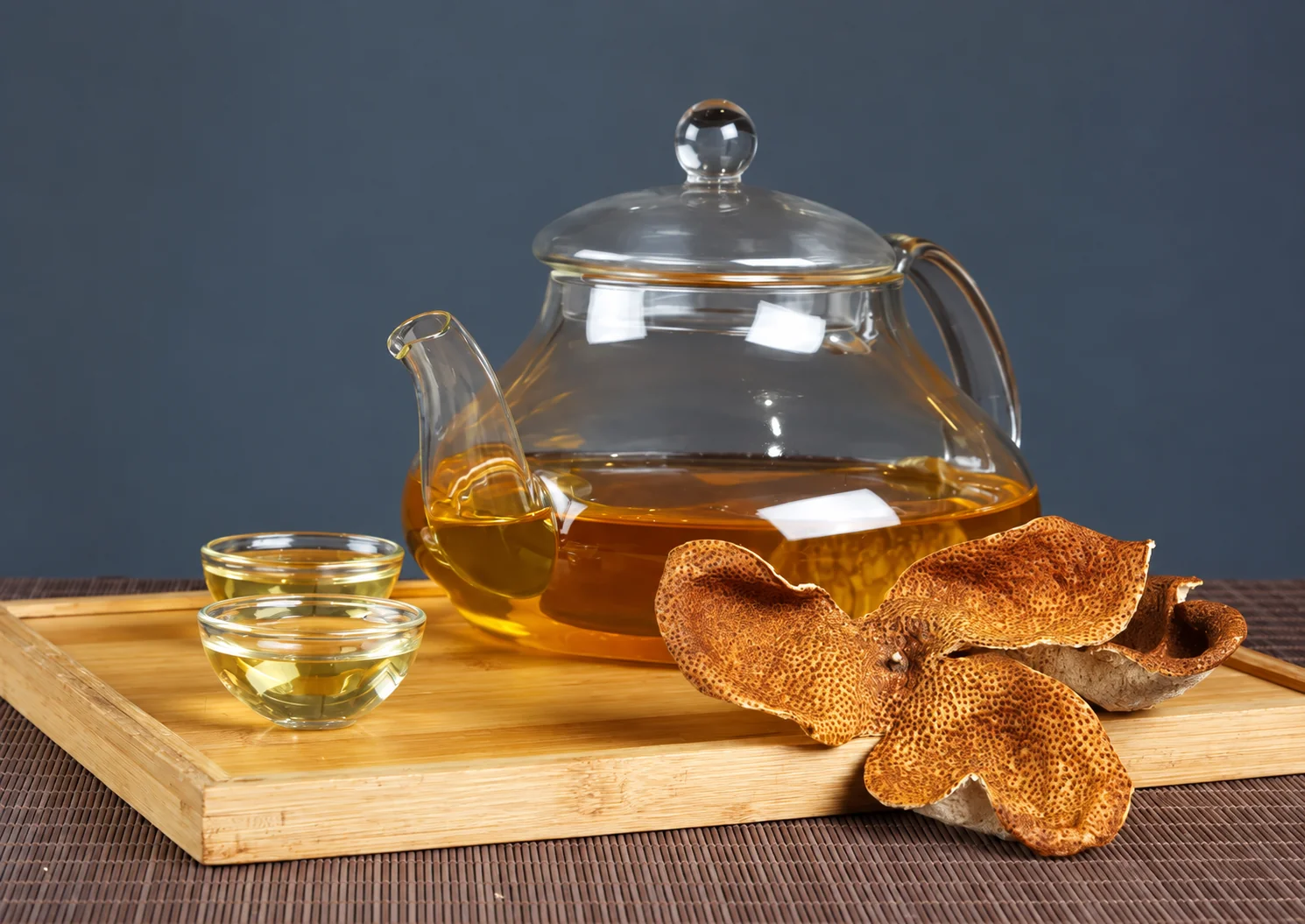
Use food-grade dried tangerine peel sold for brewing or cooking, and follow its instructions. A glass pot makes the infusion easy to observe; porcelain also works. Choose heat-safe equipment if you plan to simmer.
If the label recommends a quick rinse, do that before brewing. Rinsing cannot make moldy or contaminated peel safe. Nor should two discarded brews be compulsory for every product.

An easy starting point for steeping
- For a light trial, use about 1 gram of peel with 250–300 ml of freshly boiled water, unless the product gives different instructions.
- Cover and steep for roughly 5 minutes.
- Pour a little into a cup and cool to a comfortable drinking temperature.
- If too strong, dilute it. If too light, extend the next steep or add a little more peel next time.
These are tasting parameters, not a medicinal dose or daily intake recommendation. Thick pieces may take longer than thin strips.
For a fuller cup, try a gentle simmer
Use a suitable pot, bring peel and water to a boil, then reduce to a gentle simmer. Start with about 5–10 minutes and taste before extending the time. Keep enough water in the pot and follow the appliance instructions; not every glass teapot is stovetop-safe.

Longer boiling can increase bitterness as well as body. If a pot tastes harsh, reduce the peel or shorten the time rather than assuming a stronger brew is better.
Blending with pu-erh or white tea
Brew peel and tea leaves separately at first, then combine them in the cup. That lets you adjust citrus and tea strength independently. Ripe pu-erh often gives a deeper, earthy base; white tea can give a lighter or softer profile, depending on the tea.
Both tea-leaf blends contain caffeine unless specifically decaffeinated. Plain peel brewed alone is different. Our blend comparison helps you choose by flavor.
Can you refill the pot?
Add hot water while the flavor remains pleasant during the same session. Refill count is a taste decision, not an authenticity test. Prepare what you will drink rather than leaving wet peel warm for long periods or saving it at room temperature overnight.