Ratgeber zu Tee und Teegeschirr
Chinese Green Tea by Province: A Regional Directory

Chinese green tea is a wide landscape, not a single flavor. This directory follows the provinces in the supplied guide and introduces representative names. It is not exhaustive and does not rank them. Processing, harvest and the actual producer remain important even when a regional name is famous.
Zhejiang: West Lake Longjing
West Lake Longjing is associated with Hangzhou’s designated West Lake growing area. Flat leaves and a clean, often gently toasted cup are familiar descriptions; traceable origin matters more than shape alone.
Zhejiang: Dafo Longjing
Dafo Longjing is associated with Xinchang and the Yuezhou Longjing region. It is not a synonym for West Lake Longjing, even though both share a flat-green-tea tradition.

Zhejiang: Anji Bai Cha
Anji Bai Cha is a green tea associated with pale young leaves of a distinctive cultivar. Bai means white, but does not identify white-tea processing.
Anhui: Huangshan Maofeng
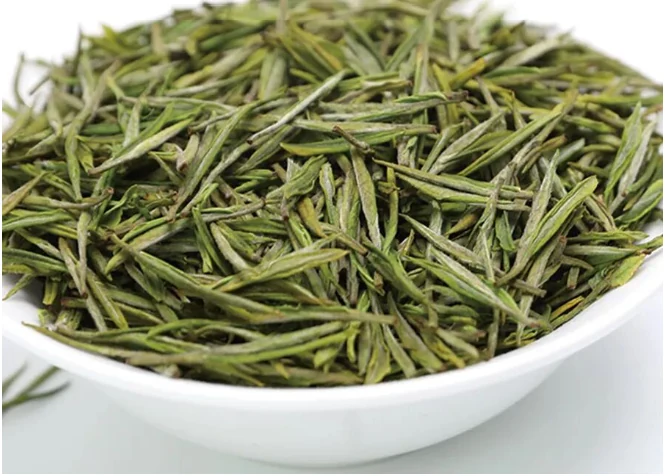
Huangshan Maofeng is known for its delicate bud-and-leaf appearance and gently floral green-tea style. Fine down and occasional yellowish fish leaves need to be read in the context of the actual grade.

Anhui: Taiping Houkui
Taiping Houkui comes from the Huangshan District tradition. Its long, flattened leaves need room to unfold, so a tall glass is a useful first vessel.
Anhui: Lu’an Guapian
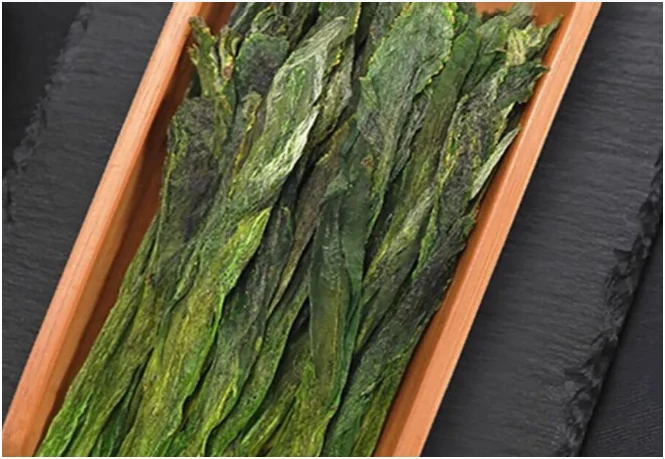
Lu’an Guapian is associated with the Dabie Mountain region. Its traditional leaf-blade selection is a reminder that a green tea does not need to be all buds to be carefully made.
Jiangsu: Dongting Biluochun
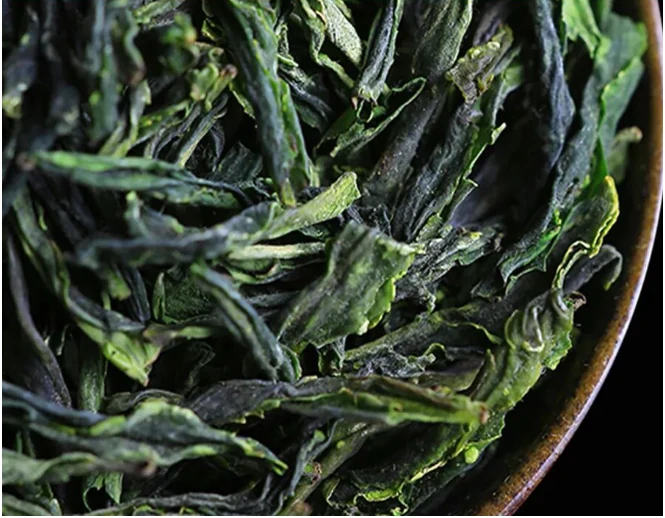
Dongting Biluochun belongs to the Lake Tai area near Suzhou, with fine curls and pale down. Its Dongting is different from Hunan’s Dongting Lake.
Jiangsu: Nanjing Yuhua
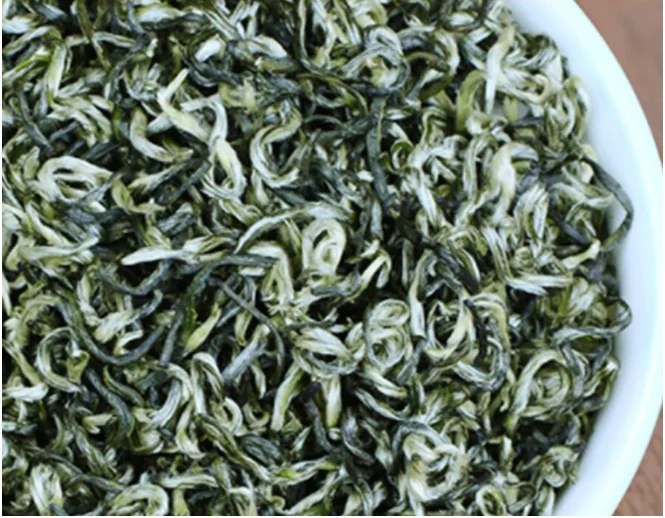
Nanjing Yuhua is a needle-shaped green tea associated with Nanjing. Look for a coherent style and a clean infusion rather than judging by needle length alone.
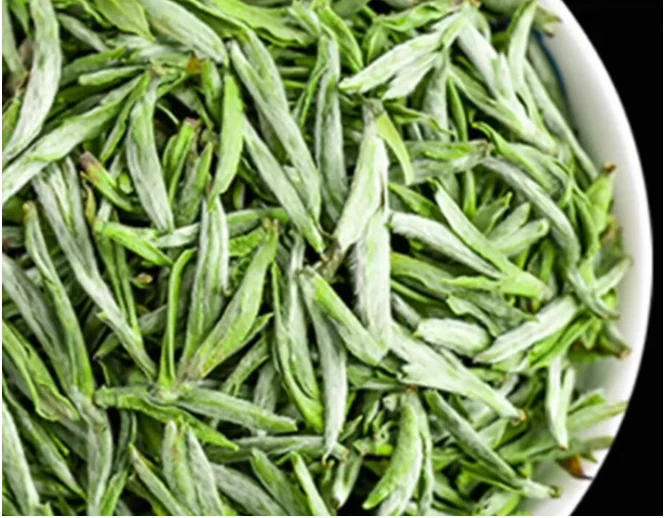
Jiangsu: Yangxian Xueya
Yangxian Xueya is associated with Yixing, a place also famous for teapots. The modern tea draws on a regional tea history, but a historic name does not establish the age of a present packet.
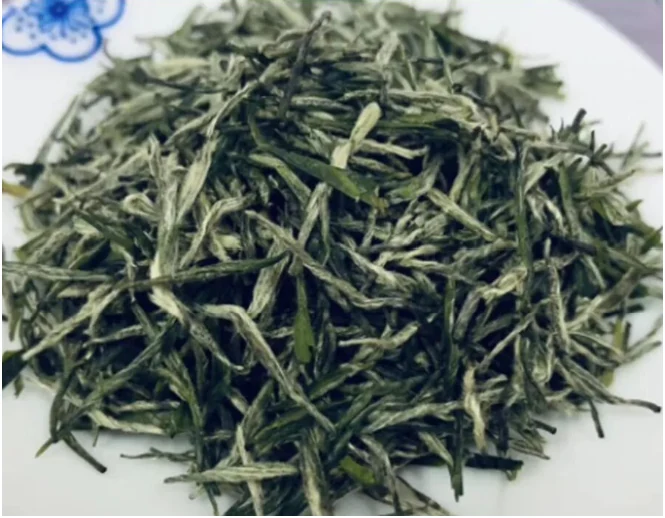
Sichuan: Mengding Ganlu
Mengding Ganlu belongs to the Mengding Mountain tradition near Ya’an. Curled leaves and a delicate, refreshing cup are common descriptions, with differences between producers and harvests.
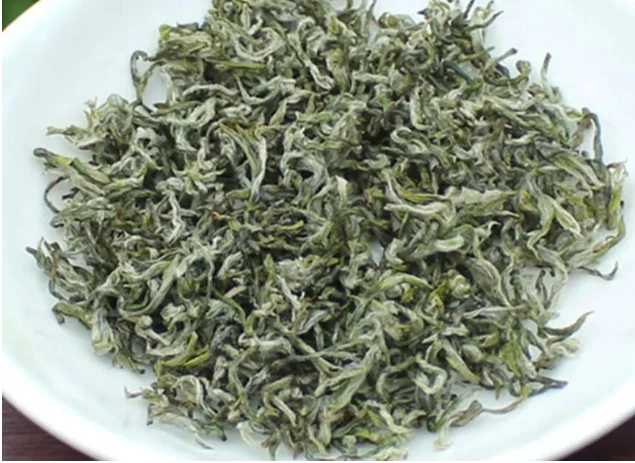
Sichuan: Zhuyeqing
Zhuyeqing is associated with the Emei area and a flat, bamboo-leaf-like form. Check the producer and exact product name, since a tea style and a commercial brand can overlap in ordinary usage.

Sichuan: Xufu Longya
Xufu Longya is associated with Yibin’s early-tea landscape. An early regional season reflects local conditions, rather than proving a superior cup everywhere.

Jiangxi: Lushan Yunwu
Lushan Yunwu takes its name from the Lushan area near Jiujiang. Mountain moisture and local craft form part of the story; a misty photograph is not product certification.
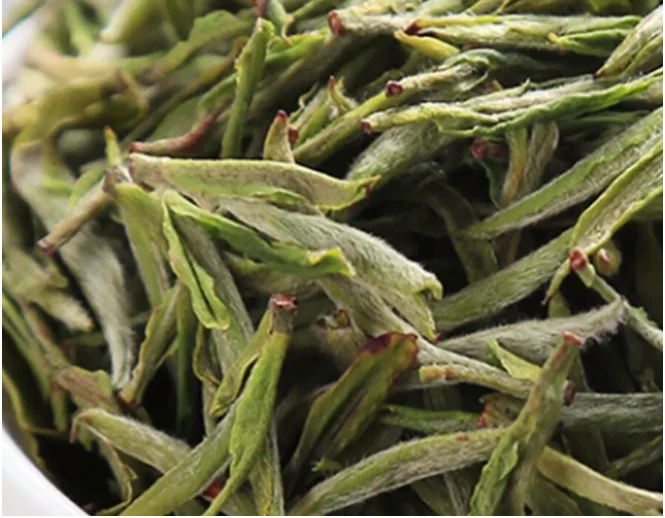
Jiangxi: Gougunao
Gougunao is associated with Suichuan and its local mountain tea tradition. Fine curled leaves and visible down are familiar features, with tasting needed to judge an actual sample.
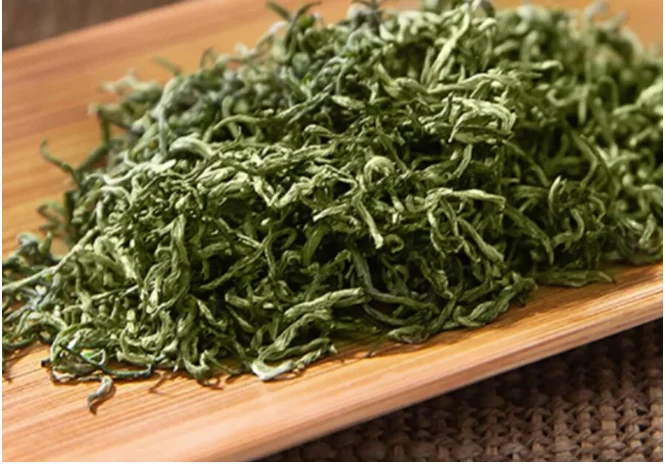
Hunan: Anhua Songzhen
Anhua Songzhen is a needle-shaped green tea. Anhua is also famous for dark tea, illustrating why the place name alone cannot determine a tea’s processing category.

Hunan: Guzhang Maojian
Guzhang Maojian is associated with Guzhang in the Wuling Mountain region. Look beyond the shared Maojian wording when comparing it with teas from other provinces.

Shandong: Rizhao green tea
Rizhao green tea is associated with Shandong’s coastal tea production. It broadens the green-tea map northward; exact “northernmost” claims depend on how a growing area is defined.

Henan: Xinyang Maojian
Xinyang Maojian is known for slender leaves and an expressive green-tea cup. Mountain names, grade, leaf maturity and brewing strength all deserve attention.

Guizhou: Duyun Maojian
Duyun Maojian belongs to Guizhou’s diverse tea landscape. Its small curls and down can be attractive, but should not be mistaken for a shared origin with every similarly shaped tea.
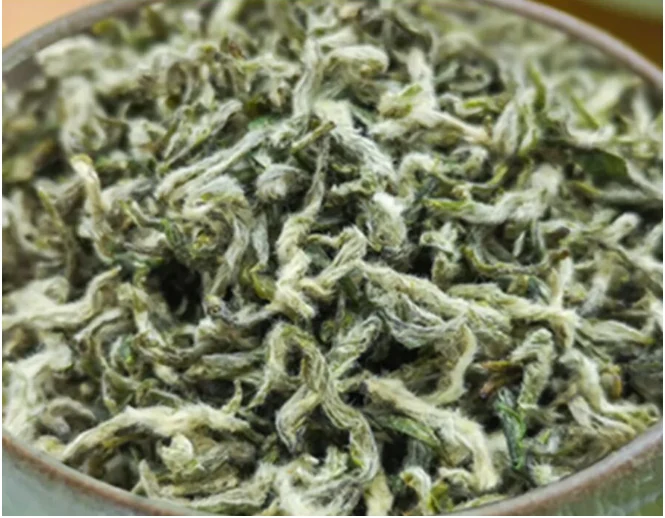
Guizhou: Meitan Cuiya
Meitan Cuiya is associated with Meitan and a neat, flattened bud-and-leaf form. Its own producer, harvest and processing information are more useful than a beauty-themed nickname.

Guangdong: Lechang Baimao
Lechang Baimao is a green tea associated with the Nanling area. Its pale down explains the white-haired name; that name does not make it white tea.
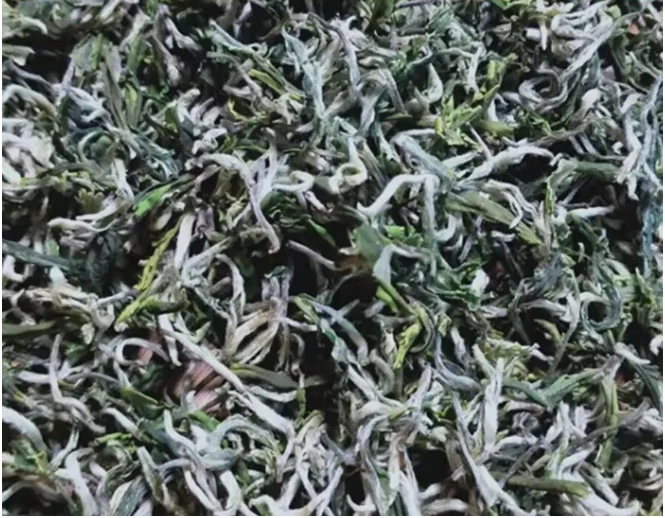
Hubei: Enshi Yulu
Enshi Yulu is a well-known Chinese steamed green tea. Steam fixation helps distinguish its processing story from the pan-fired styles that dominate many green-tea discussions.

Shaanxi: Wuzi Xianhao
Wuzi Xianhao is associated with Xixiang and the Hanzhong tea region. Fine leaf selection and a clean, lively infusion matter more than the mere presence of down.
How to use the directory
Use a name to find the region, then ask about the actual tea. Compare a few small samples across styles rather than trying to buy every famous name. There is room for an inexpensive everyday cup and an occasional special harvest without turning geography into a rigid quality ladder.