Ratgeber zu Tee und Teegeschirr
Floral Tanyang Gongfu Black Tea: Cultivar and Craft

Floral aroma can come from the leaf and the process
A floral black tea does not necessarily contain added flowers. Cultivar and careful processing can bring floral or fruit-like notes to the finished leaf. Tanyang Gongfu, also written Panyong Congou in older English usage, offers a useful Chinese example.
The source brings together comparisons of high-aroma cultivars and traditional local material. It asks which combinations produce the most appealing cup, rather than treating all floral teas as one style.
Why the cultivar deserves attention
The source describes trials involving Jin Mudan, Jin Guanyin, Huang Guanyin, Dangui and Tanyang caicha. Several high-aroma cultivars showed attractive floral character under the trial conditions, with Jin Mudan performing particularly well.
A cultivar name is a clue to potential, not a guarantee of a particular peach, orchid or creamy note. Picking standard, leaf handling and the maker’s decisions still matter. A poorly made tea will not be rescued by a fashionable cultivar label.
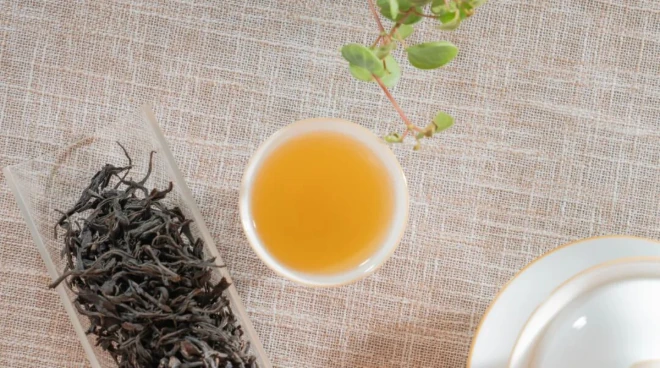
Traditional and floral processing emphasize different qualities
A 2018 study compared six cultivars made using traditional and floral-style Tanyang processes. It reported a fuller taste for the traditional style and a more prominent, lasting aroma for the floral style. Some floral approaches borrow gentle leaf-agitation ideas associated with oolong making before the black-tea process continues.
That does not make the finished product an oolong. The question is how the adapted process changes the balance between aroma, body and freshness.
A choice between intensity and balance
The source associates Jin Mudan with a peach-like expression in some samples, Jin Guanyin with fruit and creamy notes, and Fu’an Dabaicha with a lasting sweet aroma and a fuller taste. These are descriptions of particular teas, not fixed specifications for every harvest.
A high, immediate aroma can be delightful, but check the taste after the cup cools slightly and across several infusions. Look for a pleasant finish and enough substance to support the aroma. More fragrance is not always a better balance.
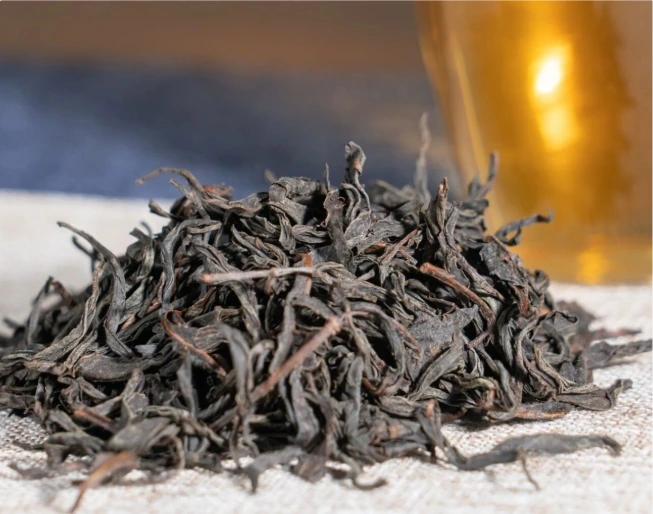
What to ask before buying
Ask which cultivar was used, whether the tea is a traditional or floral style, and whether any flavoring or flowers were added. Request a sample rather than relying on a prize claim or an especially vivid aroma description.
For a comparison, keep leaf weight, water and infusion time the same. If you prefer a substantial, rounded cup, do not assume the most aromatic sample will be your favorite. The best match is the one whose aroma and taste you enjoy together.
References for this editorial update
Related black tea guides
- Black Tea Oxidation: How Time and Temperature Change Taste
- Spring, Summer or Autumn Black Tea: Which Is Better?
Source attribution
Reprinted from Dong Cha Di (懂茶帝), an independent tea media publication. Edited and translated into English by Sandao; promotional material has been removed and research findings are presented within their limits.