Tea & Teaware Guides
Black Tea Oxidation: How Time and Temperature Change Taste
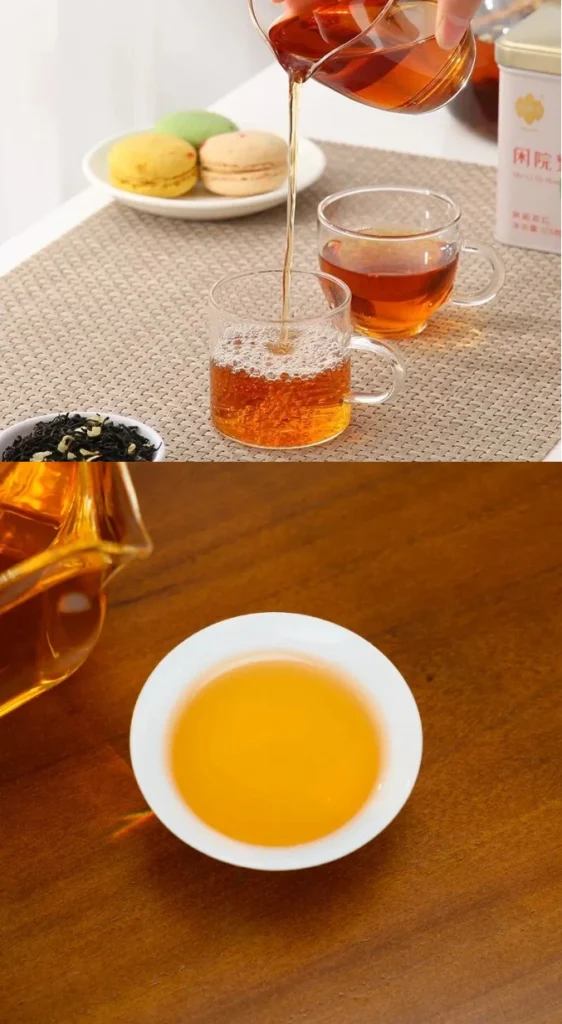
What “fully fermented” really means
A warm cup of black tea is a welcome companion on a cold day. But two teas made from similar leaves can taste surprisingly different: one floral and brisk, another sweet and rounded, a third flat and rather dull. Processing helps explain the difference.
Chinese tea terminology calls black tea a fully fermented tea. In this context, the key process is enzymatic oxidation after the leaf has been withered and rolled. It differs from the microbial fermentation associated with many dark teas. ‘Fully’ describes a processing category, not a universal laboratory reading of 80%, 90% or 100%.

Oxidation changes the balance in the cup
During oxidation, catechins and other leaf constituents undergo a series of reactions. Theaflavins, thearubigins and more complex brown-colored substances contribute to the finished tea’s color and taste. The result depends on cultivar, leaf condition, rolling, oxygen supply and drying as well as time and temperature.
A lower concentration of one constituent is not, by itself, proof that a tea is gentler on every stomach. Nor does oxidation reliably remove caffeine. Judge drinking comfort separately from a manufacturer’s processing description.
What the temperature trial found
The source article describes a congou black tea trial using the same oxidation time while varying temperature. At the cooler end, the teas retained more green notes. Intermediate conditions produced a clearer floral character and brighter liquor. Further heating reduced the overall sensory result.
Around 30°C performed well in that particular experiment. It is a finding for those leaves, equipment and trial conditions—not a universal instruction for every tea factory. Leaf temperature inside a thick layer can also differ from the room’s thermostat reading.
| Trial condition | Reported tendency |
|---|---|
| Lower temperature | More green notes; incomplete flavor development |
| Intermediate temperature | Better floral character and brightness |
| Higher temperature | Darker liquor; weaker overall balance |
Why leaving it longer is not always better
In the source’s separate time comparison at a fixed temperature, longer oxidation first improved the tea’s aroma and smoothness. Extending it further weakened the floral expression and made the liquor darker. Approximately 4.5 hours gave the best sensory result in that setup.
The practical lesson is to find the right endpoint, rather than to maximize the clock. A producer watches leaf condition and aroma as the process develops. Changing the leaf layer, humidity or rolling intensity can change how quickly the same endpoint is reached.
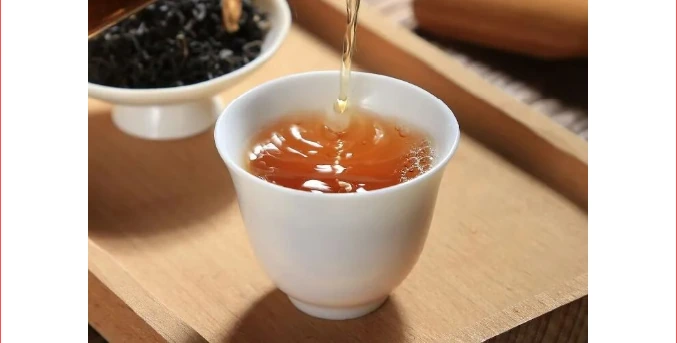
How to use this when buying black tea
Look for a clean aroma, a bright infusion and a taste that has both substance and balance. Persistent raw-green notes or a dull, flat cup can be warning signs, but brewing and storage can create problems too. A single fault does not identify one processing mistake with certainty.
Compare teas using the same water, leaf weight, vessel and steeping time. Then change the brewing strength if necessary. A redder cup or a smoother first sip should never be your only quality test.

Related black tea guides
- Red or Golden Black Tea? What Liquor Color Tells You
- Black Tea’s Golden Ring: A Clue, Not a Quality Guarantee
Source attribution
Reprinted from Dong Cha Di (懂茶帝), an independent tea media publication. Edited and translated into English by Sandao; promotional material has been removed and research findings are presented within their limits.