Ratgeber zu Tee und Teegeschirr
Sheqian Liubao Tea: An Early-Spring Harvest Explained

Mingqian, or pre-Qingming, is a familiar label for Chinese spring green tea. Liubao has another seasonal name worth knowing: Sheqian, meaning before the spring She festival. It usually refers to early spring material made in a traditional Liubao style. The attraction is a fine, fresh expression of the leaf, rather than the dark red liquor many drinkers expect from modern fermented Liubao.
What the harvest name means
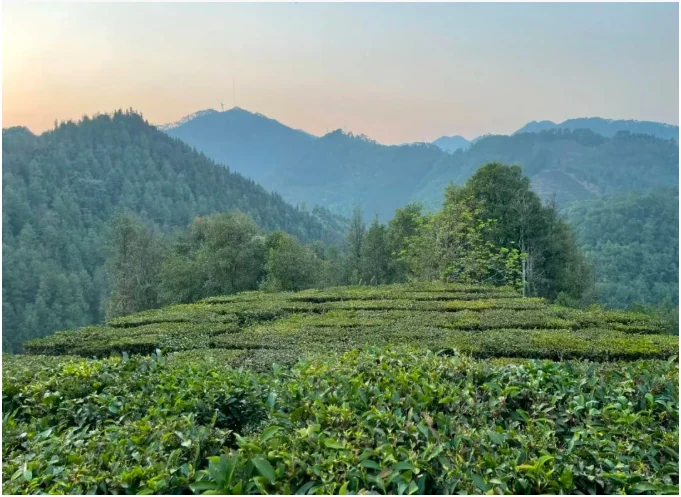
The spring She festival follows a traditional Chinese calendar calculation and often falls around the spring equinox. Its date changes from year to year, so “Sheqian” should not be translated as one fixed March deadline. In warm parts of Guangxi, early-budding local tea bushes can offer tender shoots before that festival. Weather, elevation, cultivar and the particular garden still determine when picking is possible. Ask for the actual harvest date as well as the seasonal label.

Tender material, a different cup
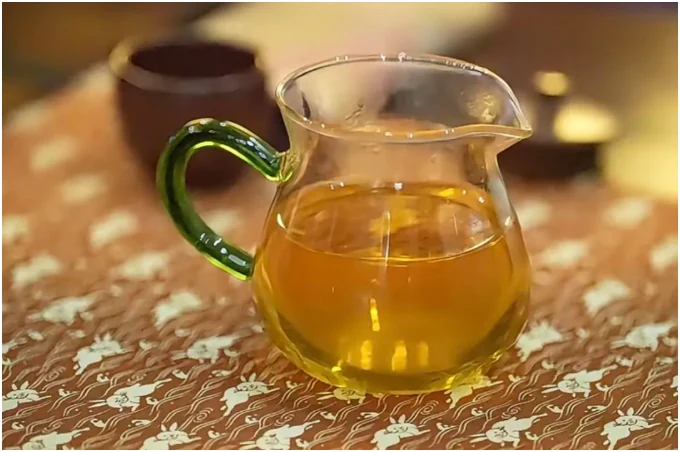
Sheqian lots may contain a high proportion of buds and a bud with one young leaf, though picking standards vary. Finished leaves can look fine and curved, sometimes retaining the protective bud sheath. Honeyed or floral notes and a clear yellow to yellow-green liquor are often used to describe young traditional-style examples. These are tasting tendencies, not a test of origin. A darker or less sweet cup may also reflect processing, age or brewing. Early picking alone does not establish quality.


Start gently, then follow the leaves
For a delicate young batch, start around 90–95°C in porcelain and keep the first infusions short. A practical trial is 3–4 g per 100–120 mL with a first infusion of about 10–20 seconds. Increase temperature or time if the cup is too light, especially later in the session. Boiling water does not literally cook every tender tea into failure; taste and the maker’s guidance are better guides. If trying a thermal flask, reduce the leaf dose substantially because extraction continues for much longer.