Ratgeber zu Tee und Teegeschirr
Xiaoqinggan vs Chenpi Pu-erh: Five Practical Differences
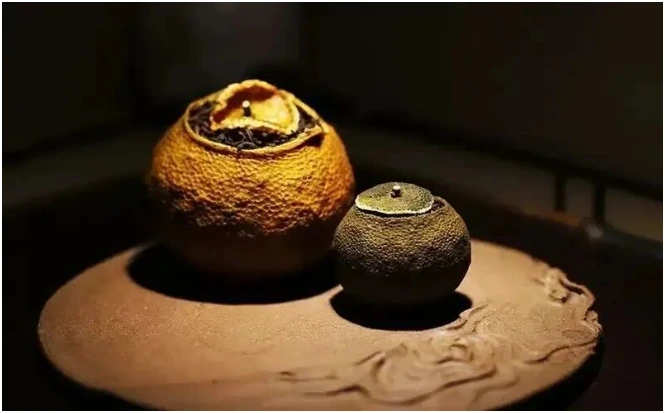
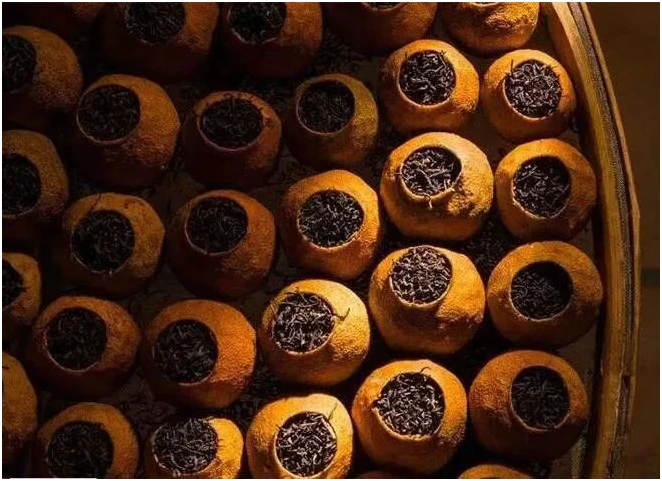
Xiaoqinggan and Chenpi Pu-erh both combine citrus peel with tea, often ripe Pu-erh. They can nevertheless offer quite different cups. Xiaoqinggan usually uses a small, green-stage mandarin shell filled with tea. Chenpi Pu-erh may be a blend of aged peel and tea or a larger filled fruit. Read the ingredients and production description rather than assuming every product follows one recipe.
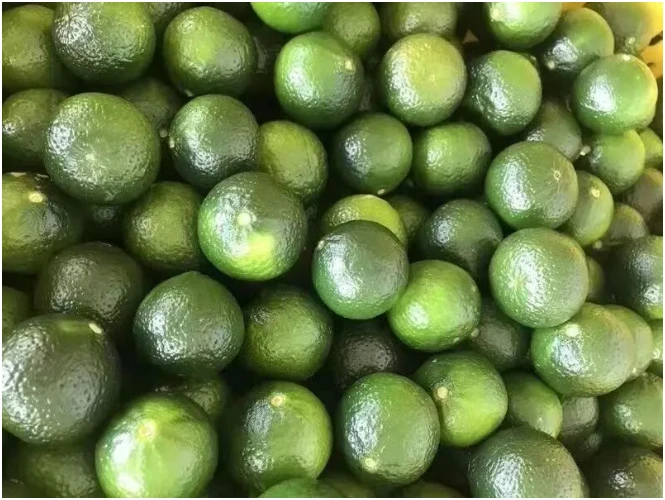
1–2: Peel maturity and physical format
Green-stage peel and later-harvest peel differ in color, texture and aromatic profile. Age after drying is another variable, separate from fruit maturity at picking. Small filled fruits are easy to carry, while a larger shell may contain several sessions’ worth of tea. Product size is not a reliable test of Xinhui origin or the number of years the peel was aged.

3: Flavor balance
A green shell can give a sharper, fresher citrus impression, while an aged mature peel may feel rounder or deeper. Actual flavor depends on peel quality, drying, tea and their proportions. Some drinkers prefer a clear peel-led cup; others want ripe Pu-erh to remain prominent. Neither preference makes one format universally better, gentler on the stomach or medicinally superior.
4: Brewing and portion control
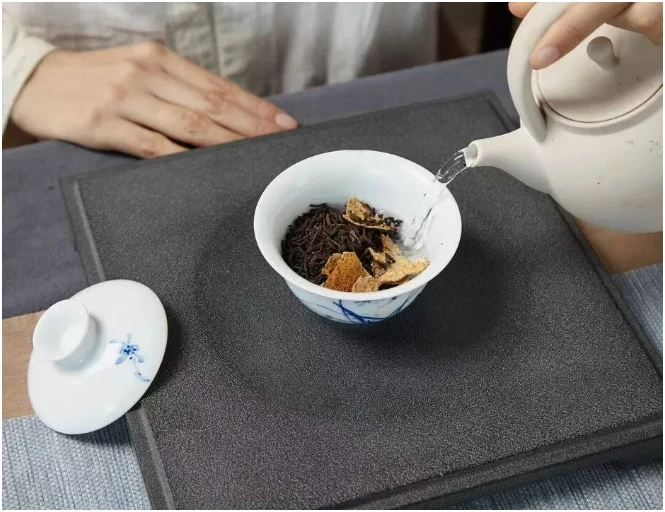
For a small filled fruit, whole-shell brewing slows the release of tea differently from opening the shell or blending weighed peel and leaves. For a large fruit, portioning the contents usually offers better control than treating the whole fruit as one serving. Begin with the producer’s instructions and adjust the tea-to-water ratio. Keep the proportion consistent when comparing two products.

5: Storage and ingredient claims
Both formats need clean, dry storage protected from moisture and strong odors. A hole in the shell, dark peel or white material is not enough to diagnose age or safety from a photograph. Do not confuse the names of these beverages with pharmacopoeial raw materials or reproduce treatment claims on that basis. Check freshness and condition, and discard visibly spoiled products rather than trying to rescue them.