Guías de té y utensilios
Best Tea for a Yixing Teapot: Six Tea Types Compared
The best tea for a Yixing teapot is usually a tea you already drink often. Roasted oolong and ripe pu-erh are practical starting points for a dedicated pot. Unflavored Chinese black tea can work well, too. For delicate green, yellow and fresh white teas, porcelain or glass gives you an easier way to manage the brew and compare its aroma.
A Chinese Yixing teapot is an unglazed clay vessel from Yixing in Jiangsu, China. The names Zi Ni, Zhu Ni and Duan Ni are useful background, but they do not tell you exactly how an individual pot will brew. Wall thickness, working capacity, leaf space and the time it takes to empty the pot all matter. Start with the tea, then choose the vessel.
A quick guide to the six Chinese tea categories
Use this as a starting point for choosing a vessel, rather than a fixed clay-to-tea chart. The six categories describe tea processing; a pale or dark liquor alone does not identify the tea.
| Tea category | A practical first vessel | When to try Yixing |
|---|---|---|
| Green | Glass or glazed porcelain | When you can control heat and empty the pot promptly |
| Oolong | Porcelain gaiwan or a suitable clay pot | For a familiar oolong style, especially a regularly enjoyed roasted tea |
| Yellow | Glass or glazed porcelain | After establishing a gentle brewing method in a neutral vessel |
| Black, called hongcha in China | Glazed porcelain or a dedicated clay pot | For an unflavored tea you brew regularly |
| Dark tea and pu-erh | Gaiwan or a dedicated clay pot | For ripe pu-erh or a familiar aged style; keep young raw pu-erh separate |
| White | Porcelain gaiwan or glass | For a familiar mature-leaf or aged white tea, after comparison |
China’s hongcha is black tea in English; heicha is dark tea. Pu-erh also needs a closer description: young raw (sheng) and ripe (shou) are different brewing choices, even though both carry the pu-erh name.
1. Green tea: keep heat and steeping time under control
Longjing, Biluochun and Mengding Ganlu are familiar Chinese green teas. Their fresh, delicate character makes glass or glazed porcelain a useful first choice. Yixing is possible, but you do not need a clay pot to enjoy them.
If you use one, choose a pot that is easy to fill, empty and clean. Avoid prolonged heat buildup, and do not judge suitability by whether its clay is pale or dark. Tea stains on a light-colored pot tell you about cleaning and use, not whether the leaves were the right match.
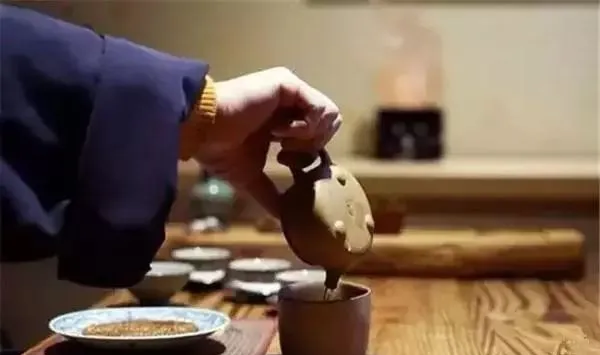
Try this: for a light, longer infusion, start with about 3 g of tea in 150 mL of water (roughly 5 US fl oz), at 80–85°C / 176–185°F, and taste after about 2 minutes. Decant completely. This is an adjustable example, not a rule for every Chinese green tea; follow the producer’s instructions when provided.
2. Oolong: match the pot to the tea’s style
Oolong covers a wide range, from lightly oxidized floral teas to roasted Wuyi rock tea. Tieguanyin itself can have different processing and roasting styles. A single recommendation for “all oolong” misses those differences.
For a roasted oolong you drink regularly, a dedicated Yixing pot is worth comparing with your gaiwan. For a very floral tea, pay attention to whether the pot preserves the aroma you enjoy. A small Zhu Ni or Hong Ni pot is a traditional option, but its clay name does not guarantee a more fragrant cup. Our Dancong teapot comparison looks at that narrower choice in more detail.
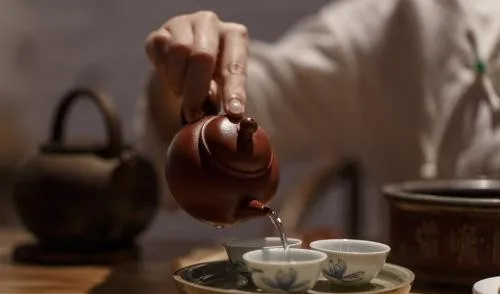
For short gongfu infusions: a cautious starting example is 5 g per 100 mL, water around 95–100°C / 203–212°F, and an initial infusion of about 10–20 seconds. Adjust for the leaf and include the pot’s pouring time. Rolled leaves need room to expand; “fill half the pot” is not a reliable measure across different leaf shapes. Several-minute steeps belong to a different, lower-leaf method.
3. Yellow tea: begin with a neutral vessel
Junshan Yinzhen, Mengding Huangya and Huoshan Huangya belong to China’s yellow-tea tradition. Its defining processing step is yellowing, or menhuang; calling it simply “slightly fermented” does little to explain how to brew it. Research on the yellowing process describes that distinct manufacturing stage.
A glazed gaiwan or glass vessel lets you assess the tea before trying clay. There is no need to buy a Zi Ni pot specifically for yellow tea. If an existing pot gives a cup you prefer, that comparison is more useful than a fixed pairing rule.
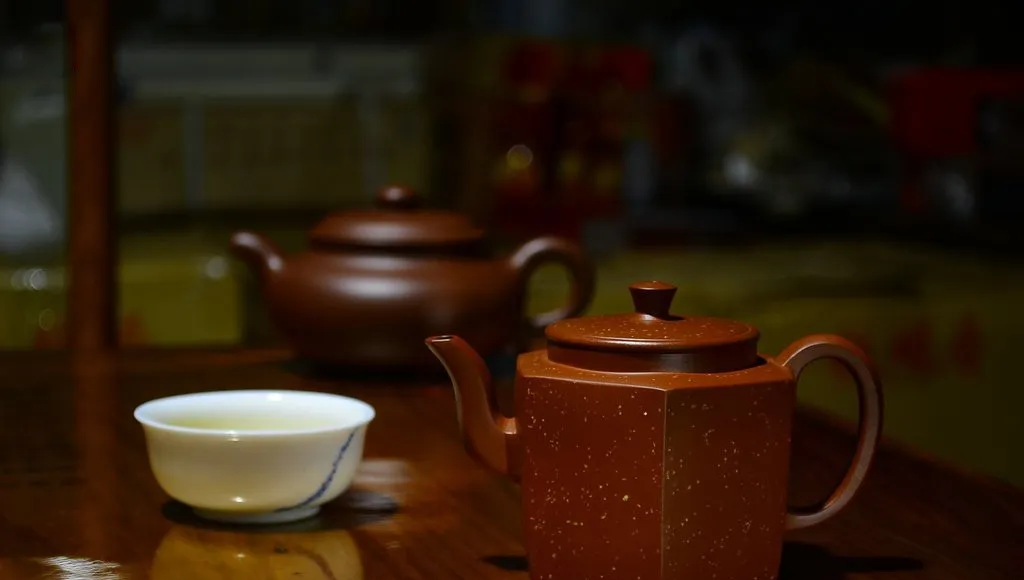
Use the individual tea’s directions for heat and timing. As one product-specific example, TeaVivre’s Huoshan Huangya lists 85°C / 185°F. That does not establish a universal temperature or a compulsory 30-, 60- and 120-second sequence for every yellow tea.
4. Black tea: consider leaf size as well as clay
Chinese black teas such as Keemun and Dianhong can suit a dedicated Yixing pot. In this context, “fully fermented” is traditional tea-trade wording for substantial oxidation during processing; it is not the same process as the microbial fermentation associated with ripe pu-erh.
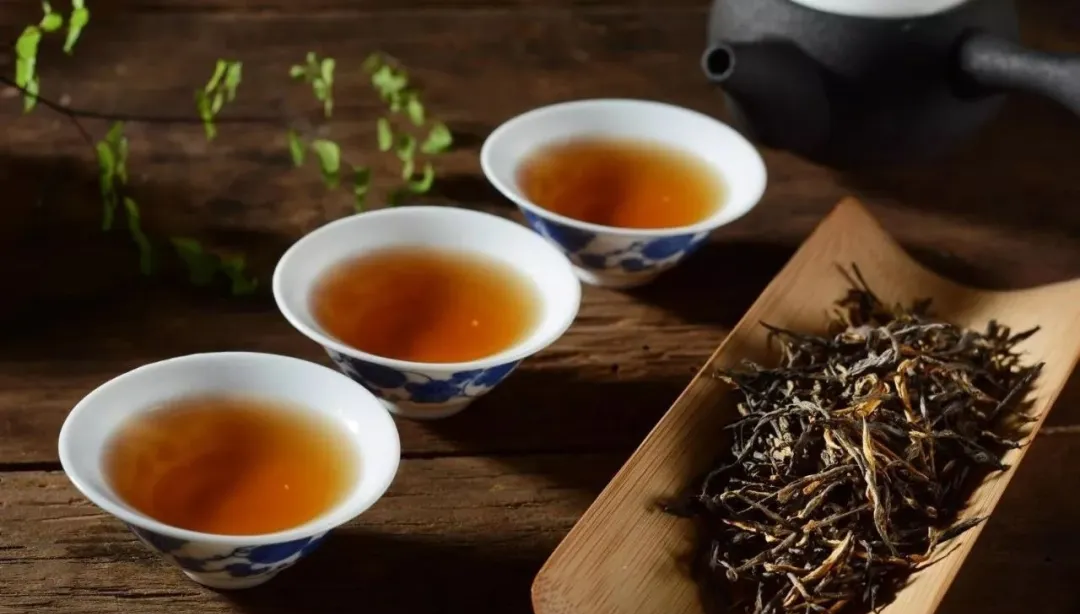
Zi Ni and Zhu Ni are options to compare, rather than guaranteed flavor upgrades. More immediately, check whether broken leaves will block the filter and whether the pot empties quickly enough. A whole-leaf black tea and a finely broken blend will not extract at the same rate.
For a lower-leaf brew, try about 3 g per 150 mL, around 90–95°C / 194–203°F, and taste after 2–3 minutes. For a more concentrated gongfu session, use much shorter infusions. Follow the tea’s own guidance and shorten the steep if it becomes drying. Strongly smoked or flavored teas are easier to keep separate in glazed teaware.
5. Dark tea and pu-erh: separate ripe, raw and scented styles
Ripe pu-erh and familiar aged dark teas are sensible candidates for a dedicated clay pot. A pot you can prewarm evenly and empty fully is more useful than one selected only because its label says Dicaoqing. Keep young raw pu-erh separate from ripe pu-erh when deciding how to use your pots: their flavor and brewing response can be very different.
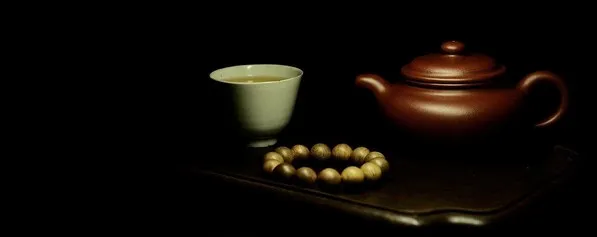
For ripe pu-erh, try a small gongfu session with about 5 g per 100 mL, near-boiling water and an initial 10–20-second infusion, then adjust. A brief rinse can help open compressed leaves, but it does not sanitize questionable tea. Avoid leaving a high dose in hot water for several minutes by default.
Age alone is not a guarantee of better flavor. Storage conditions and the condition of the tea matter. Citrus-packed or otherwise scented pu-erh is also a different choice from plain ripe tea; glazed porcelain makes it easier to avoid carrying a strong scent into the next session.
6. White tea: distinguish fresh buds from mature leaves
Silver Needle (Baihao Yinzhen), White Peony (Bai Mudan), Gongmei and Shoumei are familiar white-tea names. Fresh bud-heavy tea and a well-stored aged Shoumei need not be brewed in the same way. Choose your method for the actual leaf grade and condition of the tea.
For a fresh, subtle white tea, begin with porcelain or glass. For a familiar mature-leaf or aged white tea, you can compare a clay pot if you enjoy its handling and the resulting cup. Zhu Ni is an option, not a requirement or a universally superior pairing.
Nor is 85–90°C / 185–194°F a ceiling for all white teas. It is a reasonable range to explore for some delicate examples; Lupicia’s White Peony specifies that range for its product. Other leaf grades and brewing methods may call for hotter water. Begin with the packet instructions and adjust one variable at a time.
Does one pot really need one tea?
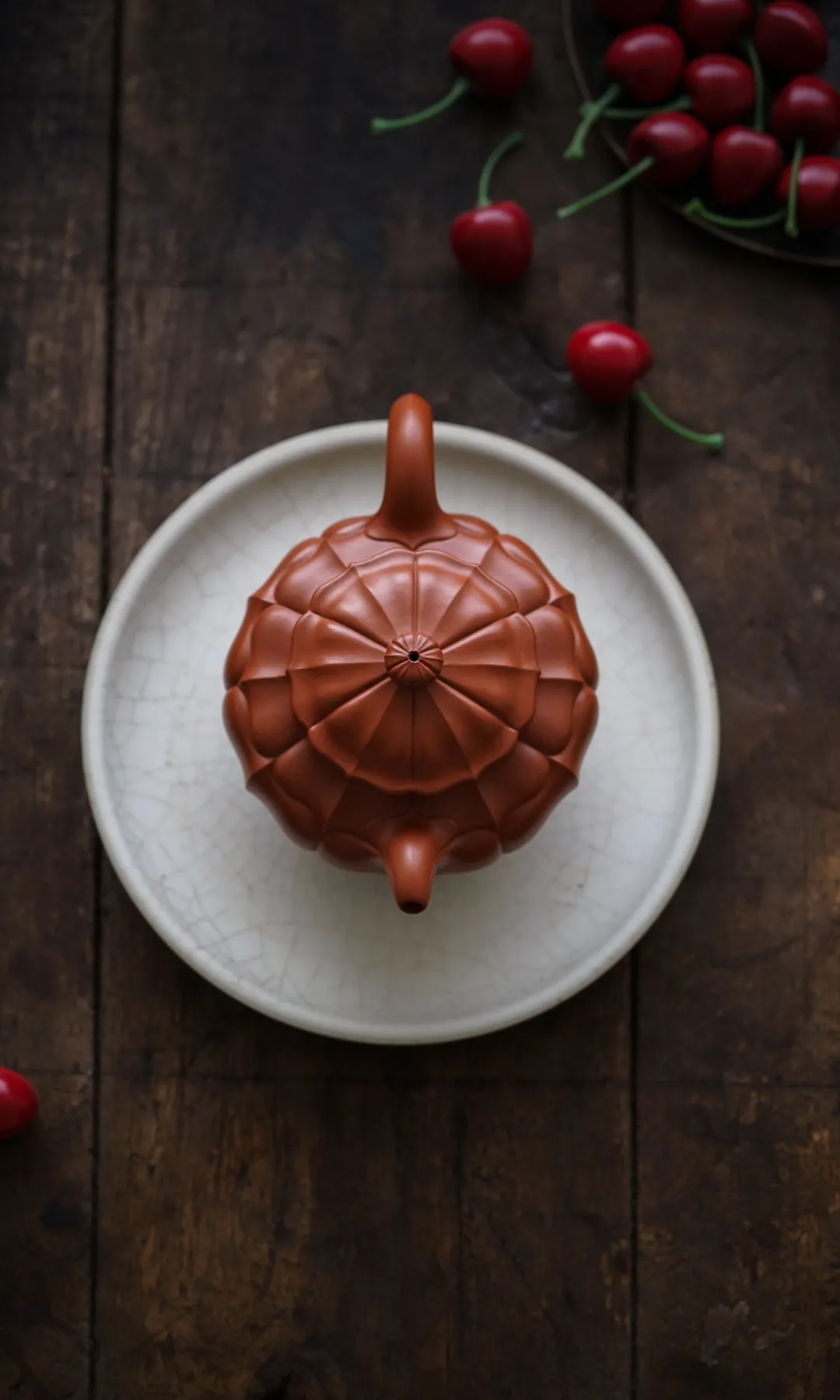
Think of “one pot, one tea” as a useful habit rather than a demand to buy six pots. You might reserve one for roasted oolong or plain ripe pu-erh, while using a gaiwan for everything else. Keep strongly flavored, smoked and citrus-scented teas apart from subtle plain teas.
If you want one Chinese tea pot for a varied collection, a glazed porcelain pot or gaiwan is the simpler starting point. Our Yixing and porcelain guide explains the day-to-day differences. For clay terminology, use the separate Zi Ni, Zhu Ni and Duan Ni guide.
To test a pairing, brew the same tea in your pot and a glazed gaiwan using comparable leaf-to-water ratios and temperatures. Note the full contact time, including the pour. Compare aroma, texture and aftertaste once the cups reach a similar drinking temperature. Repeat before deciding; this is a home comparison, not proof that one clay is always best.
Empty the leaves after use, rinse thoroughly and let the pot dry with its lid off. Do not leave old tea inside to build flavor. The daily cleaning guide covers the routine.
Which tea should you choose for your first Yixing pot?
Choose the plain tea you return to most often. If that is roasted oolong or ripe pu-erh, begin there. If you mainly drink delicate green or yellow tea, keep using a glass or porcelain vessel while you learn the tea; a clay purchase can wait. A good pairing is one you can brew consistently and enjoy.
Adapted from the supplied Chinese guide to six tea categories and Yixing pots, with brewing methods and category errors corrected. The six supplied photographs remain with their corresponding tea sections. They illustrate tea service and vessel forms; they do not authenticate the clay, tea, maker or place shown. Yixing’s Chinese craft context is documented in The Metropolitan Museum of Art’s Yixing teapot collection record. Brewing quantities above are adjustable editorial starting examples, not a controlled tasting or a universal standard.