Guías de té y utensilios
Famous Chinese Green Teas: Why Top Ten Lists Differ
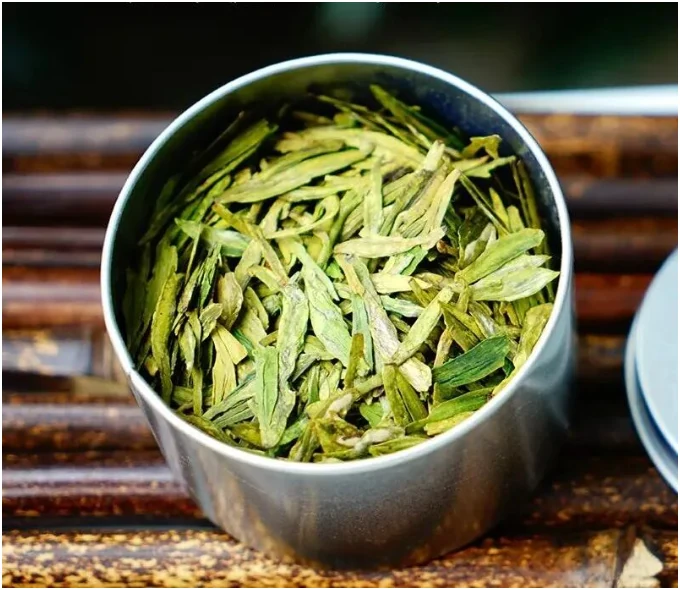
Several different “Top Ten Famous Teas” lists circulate online. They share many green-tea names, but do not amount to one permanent national quality table. Before treating a list as an award, ask who published it, when, what was judged and where the original record can be checked.
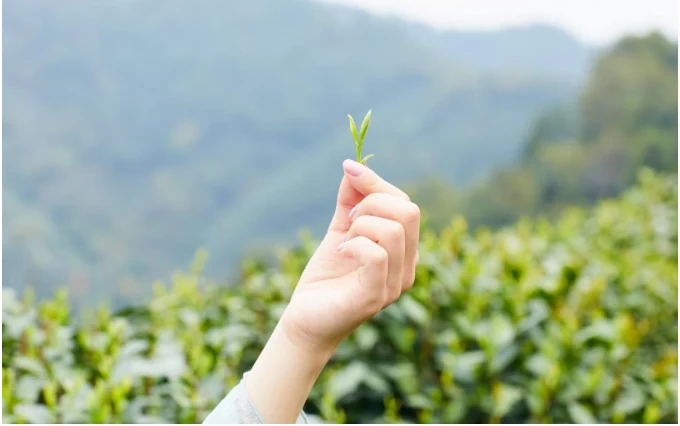
Recognizable names recur
Longjing, Dongting Biluochun, Huangshan Maofeng and Lu’an Guapian frequently appear in popular summaries. Xinyang Maojian, Duyun Maojian, Lushan Yunwu and Taiping Houkui also recur. That prominence can introduce an important tradition, but it cannot establish a universal order among the packets sold today.
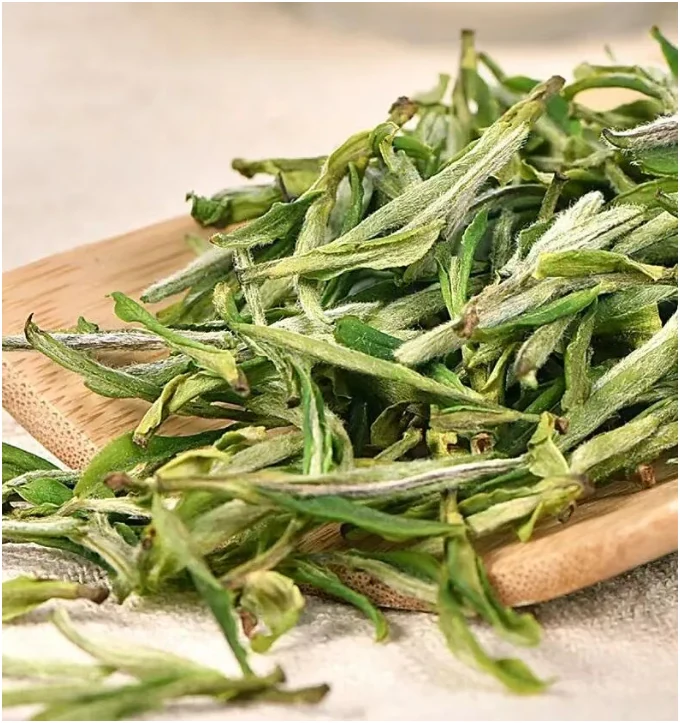


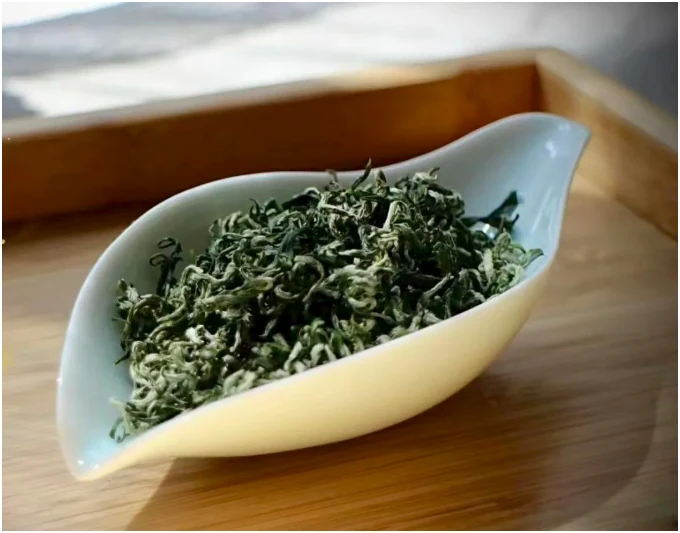
Some entries change scope between versions
Mengding Ganlu is a specific tea tradition; Tunxi green tea can describe a broader production and trading category. “High-mountain cloud tea” may be a broad descriptive name or part of a specific product’s identity. Mixing tea types, regions and brands makes a neat table look more comparable than it really is.


Treat repeated award stories carefully
The supplied roundup assigns appearance counts across five alleged lists, including versions attributed to historic exhibitions and newspapers. Those counts were not independently established as one comparable official series, so they are not reproduced here as a scoring system. A regional brand award, a product medal and a publisher’s selection are different claims even when all use the word “famous.”
Use a famous-name list as a reading list
Explore a flat-leaf tea, a fine curled tea and a long-leaf or leaf-blade style. Compare origin information, freshness and your own tasting experience. Our existing guide to ten Chinese green teas provides a practical starting point; a ranking claim should remain separate from the grade and provenance of the tea you buy.