Guías de té y utensilios
White Tea Antioxidants: What Laboratory Tests Can Tell Us
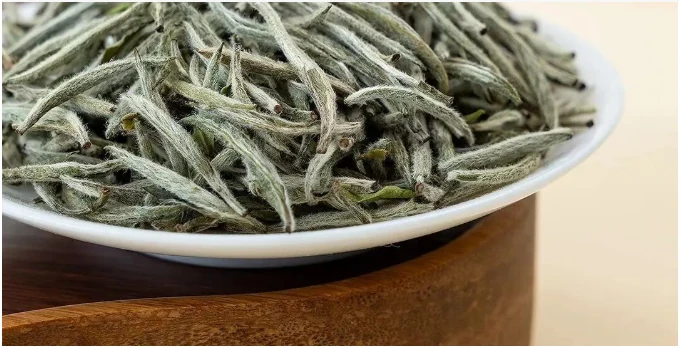
Can a laboratory ranking tell you which white tea slows human aging most effectively? No. Antioxidant assays measure defined chemical reactions under laboratory conditions. They can help researchers compare tea infusions, but are not measurements of how much younger a drinker becomes.
What the published comparison found
A 2016 Food Science paper compared infusions of Silver Needle, White Peony and Shoumei with four methods, including ferric reducing antioxidant power, known as FRAP, and radical-scavenging assays. Within the tested samples, Silver Needle showed greater antioxidant activity; White Peony and Shoumei did not differ significantly overall. The authors also examined relationships with catechins, flavonoids and organic acids.

Why assay numbers need careful reading
Some tests report activity directly; others report the concentration needed to reach an effect. A lower required concentration can indicate stronger activity, which makes casual higher-number-is-better comparisons misleading. Different extraction methods, storage histories and tea materials also limit comparisons across papers. An isolated score cannot rank every tea category or every retail batch.
What this means for everyday drinking
The study did not test lifespan, visible skin aging or disease prevention in people. It therefore cannot support an anti-aging dose or a medical recommendation to replace one tea with another. White tea still contains caffeine. Choose a style you enjoy, brew it at a comfortable strength and consider the research a lesson in tea chemistry rather than a promise attached to the price tag.

Sources and further reading
- Lü et al. (2016): Antioxidant activities and chemical components of white tea infusions
- FDA: Caffeine and individual sensitivity