Guides du thé et des objets à thé
Raw Pu-erh vs Green Tea: Fixation, Drying and Aging

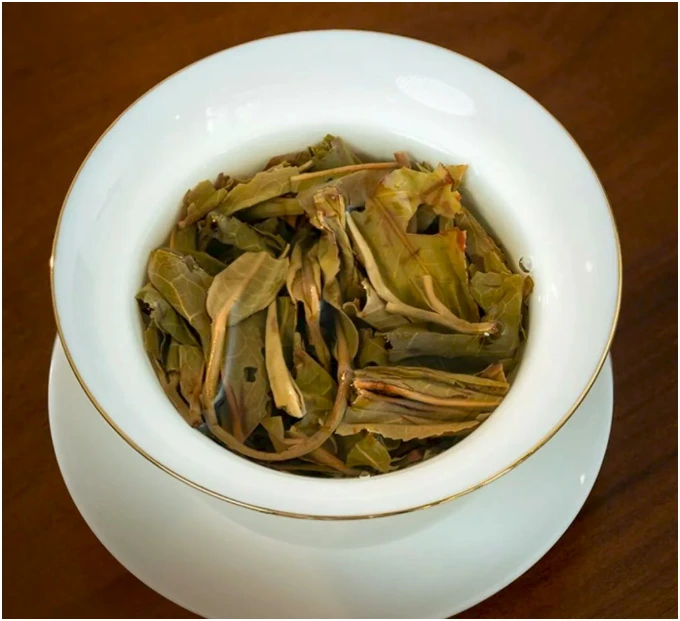
Raw Pu-erh and green tea share several processing words, including heat fixation and rolling. Their finished styles and intended storage can nevertheless differ. The useful question is not whether one tea is alive and the other dead, but how the entire manufacturing sequence shapes flavor and later chemical change.
What heat fixation does
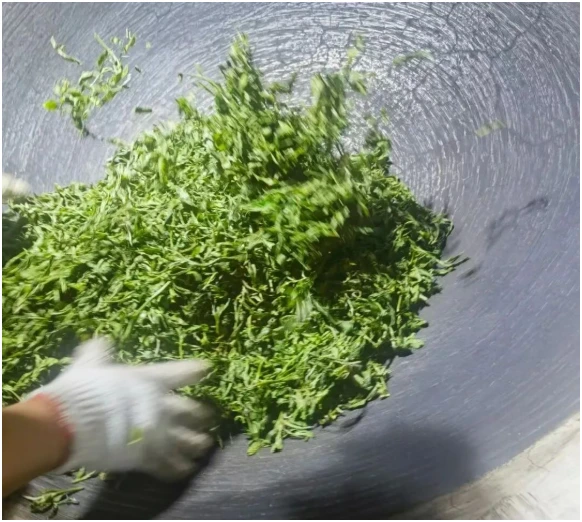
Heat fixation reduces enzyme activity and changes moisture and aroma. Equipment temperature is not the same as the temperature inside a leaf, so one pot-temperature figure cannot describe every process. Leaf maturity, loading, movement and time all matter. Insufficient fixation may leave unwanted green notes; excessive treatment may introduce scorch or other defects. Neither is an automatic advantage for long-term storage.
Drying and style goals also matter
The sun-dried material used for raw Pu-erh differs from many green teas finished for a fresh, bright profile. Green-tea manufacture itself includes several drying and fixation methods, so it should not be reduced to one high-temperature recipe. Likewise, raw Pu-erh is not made by one uniform low-temperature recipe. Learn the maker’s actual process rather than relying on a slogan.

Why the storage outlook differs
Pu-erh aging involves chemical and sometimes microbial changes affected by moisture, temperature and time. Freshness is the main attraction of many green teas, while some raw Pu-erh drinkers seek later changes in aroma and texture. Aging is not guaranteed improvement. Start with sound tea and suitable storage, compare it periodically, and do not expect years in a cupboard to repair a manufacturing fault.