Tea Industry Research
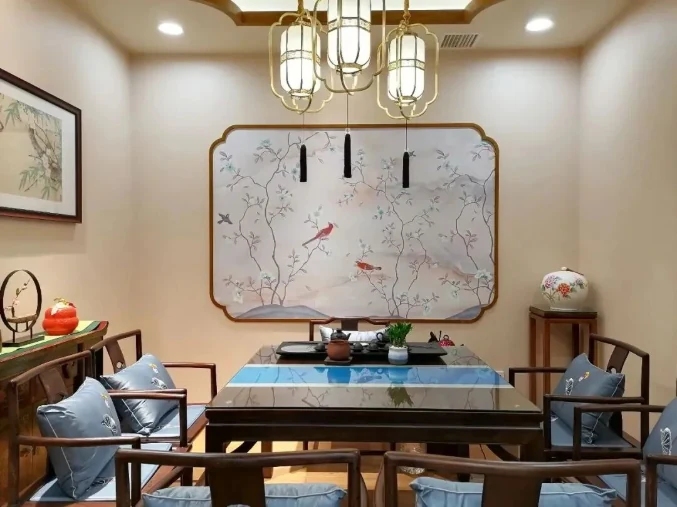
Tea Value Innovation: Supply Chains, Retail and Social Spaces
A historical analysis of tea value innovation compares B2B trade, video commerce, tea tourism, social tea spaces and self-service rooms.

Tea Company Management Innovation: Strategy, People and Digital Tools
Historical tea-business cases show how strategy, brand architecture, dealer training and digital operations can work together rather than as isolated projects.
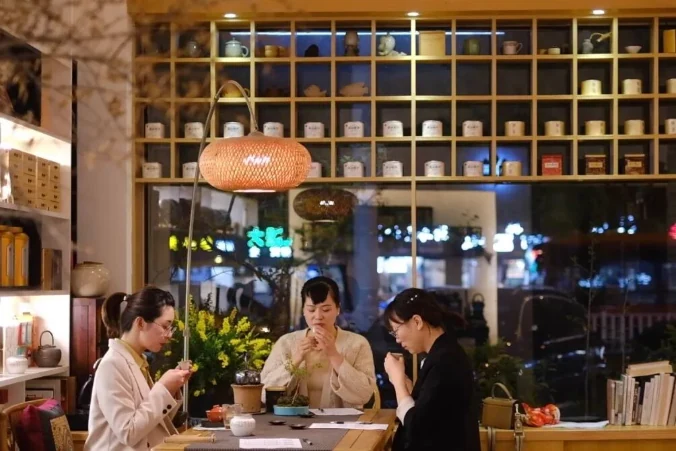
Running a Tea Shop: Lessons in Products, Service and Trust
A tea shop owner reflects on supplier choices, daily practice, customer service and digital content in a historical 2020 business case.
Yunnan Tea Oversupply: Why Some Summer and Autumn Tea Goes Unpicked
A historical industry essay examines unpicked summer and autumn tea, pricing, Pu-erh inventory and the need to connect production with real consumption.
CHASLI: Tea Processing and the “24-Hour Tea Life” Idea
A historical CHASLI case study explores tea-derived foods, personal care, shop-in-shop counters and community distribution, with claims clearly attributed.

Xiaoguan Tea: Innovation, Standardization and Supply Chains
A 2021 Xiaoguan Tea case examines portion packaging, consumer decisions, research and coordinated factories as parts of one business model.
Chinese Tea Innovation: Barriers and Practical Priorities
A historical industry analysis examines R&D, collaboration, skills and incentives, and asks how innovation can create real value for tea customers.
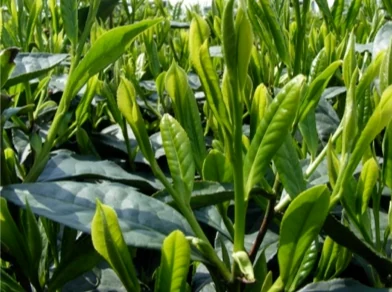
Tea Technology in China: Cultivars, Gardens and Processing
Explore a historical review of Chinese tea technology, covering cultivar development, ecological gardens, automated processing and tea-derived products.
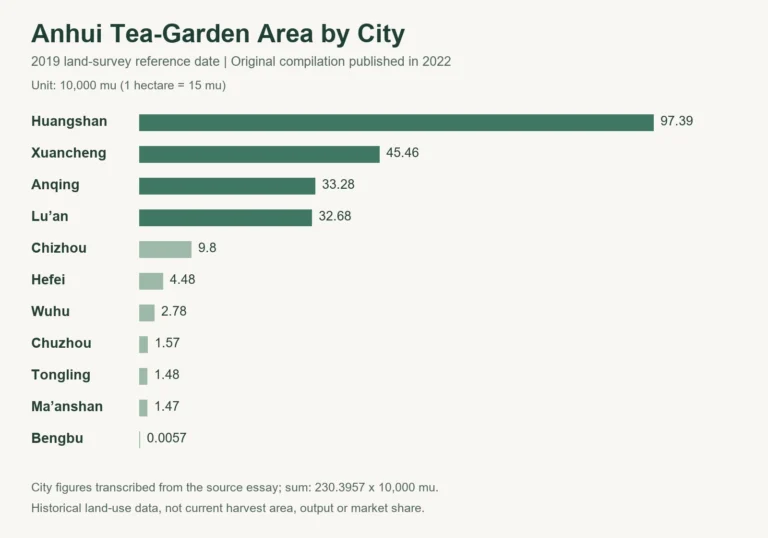
Anhui Tea-Garden Area by City: The 2019 Land-Survey Data
Read Anhui’s tea-garden area figures from the Third National Land Survey, with the 2019 reference date, city comparisons, units and limits clearly explained.
Why Chinese Tea Companies Struggle to Scale: Five Barriers
Five structural challenges in scaling a Chinese tea business: fragmented gardens, varied products, crowded selling, labor-intensive work and changing demand.