Guides du thé et des objets à thé
Five Chinese Green Tea Names That Cause Confusion

A tea name may describe a place, a cultivar, an appearance or a long trading history. Translating the words literally can therefore create the wrong category. These five common confusions are a good reminder to ask how a tea was processed and where the leaf actually grew.
Longjing is broader than West Lake Longjing
West Lake Longjing is a specific origin claim. The broader Longjing landscape also includes Qiantang and Yuezhou. A familiar flat shape or a Longjing 43 cultivar label alone does not establish West Lake provenance.
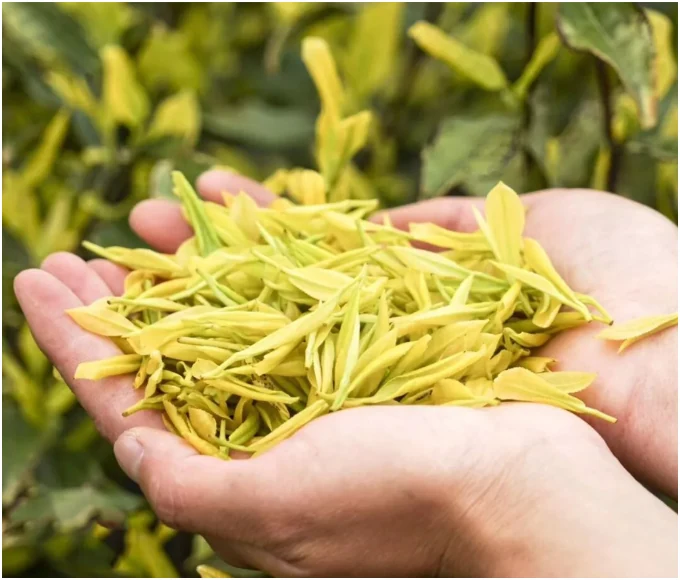
Anji Bai Cha is usually green tea
Bai, meaning white, refers to pale young leaves associated with its cultivar, not white-tea processing. The familiar product is made as green tea, with fixation. A package called “white tea” in English needs more detail if the buyer wants to distinguish Anji Bai Cha from minimally processed white tea such as White Peony.
Dongting Biluochun is not from Hunan’s Dongting Lake
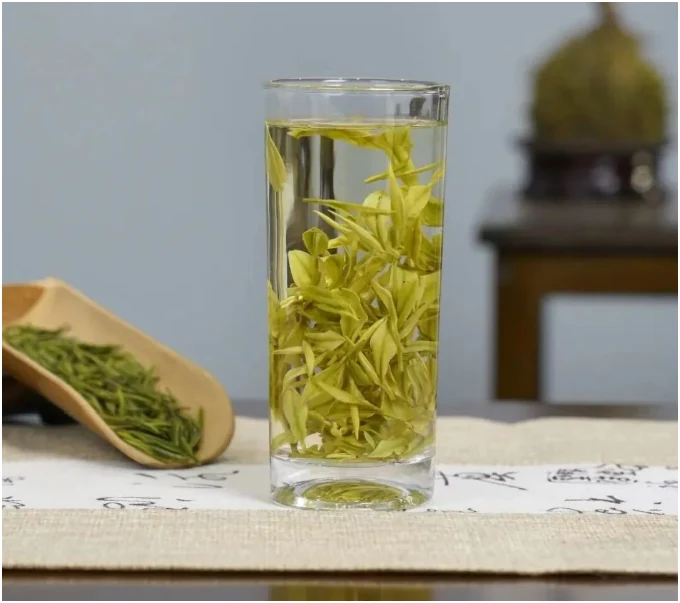
Its Dongting refers to the mountain areas around Lake Tai near Suzhou in Jiangsu. The shared characters do not identify the same place. A curly green tea made elsewhere should carry an accurate origin description rather than borrowing the protected regional identity.
Lu’an Guapian is different from Ancha
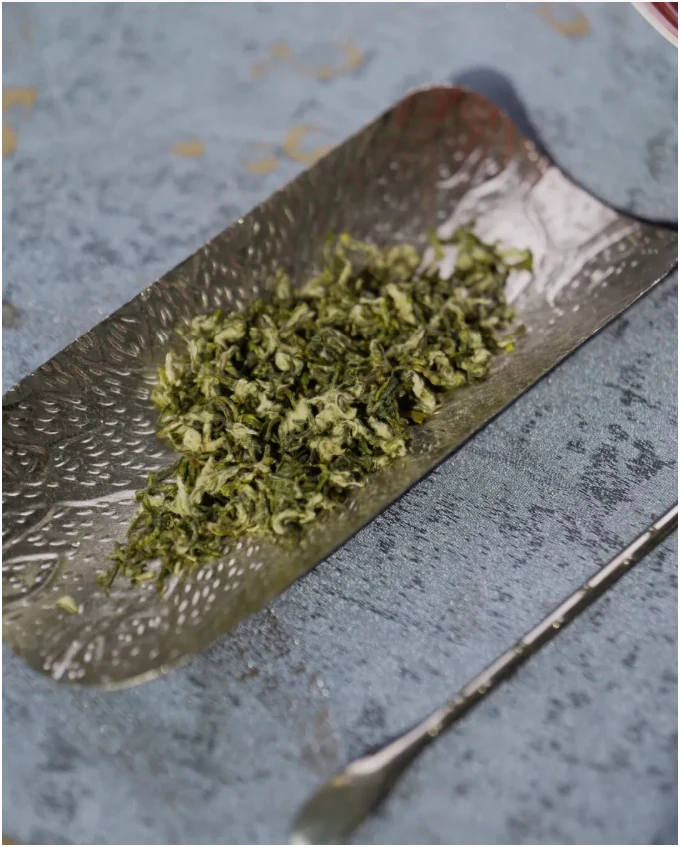
Lu’an Guapian is an Anhui green tea traditionally selected mainly from leaf blades, with buds and stems removed. Ancha is a different tea associated with Qimen and commonly classified as dark tea. Historical trade references to Liu An or Luk On require context; similar romanizations do not prove identical origin or processing.
Huangjinya does not automatically mean yellow tea
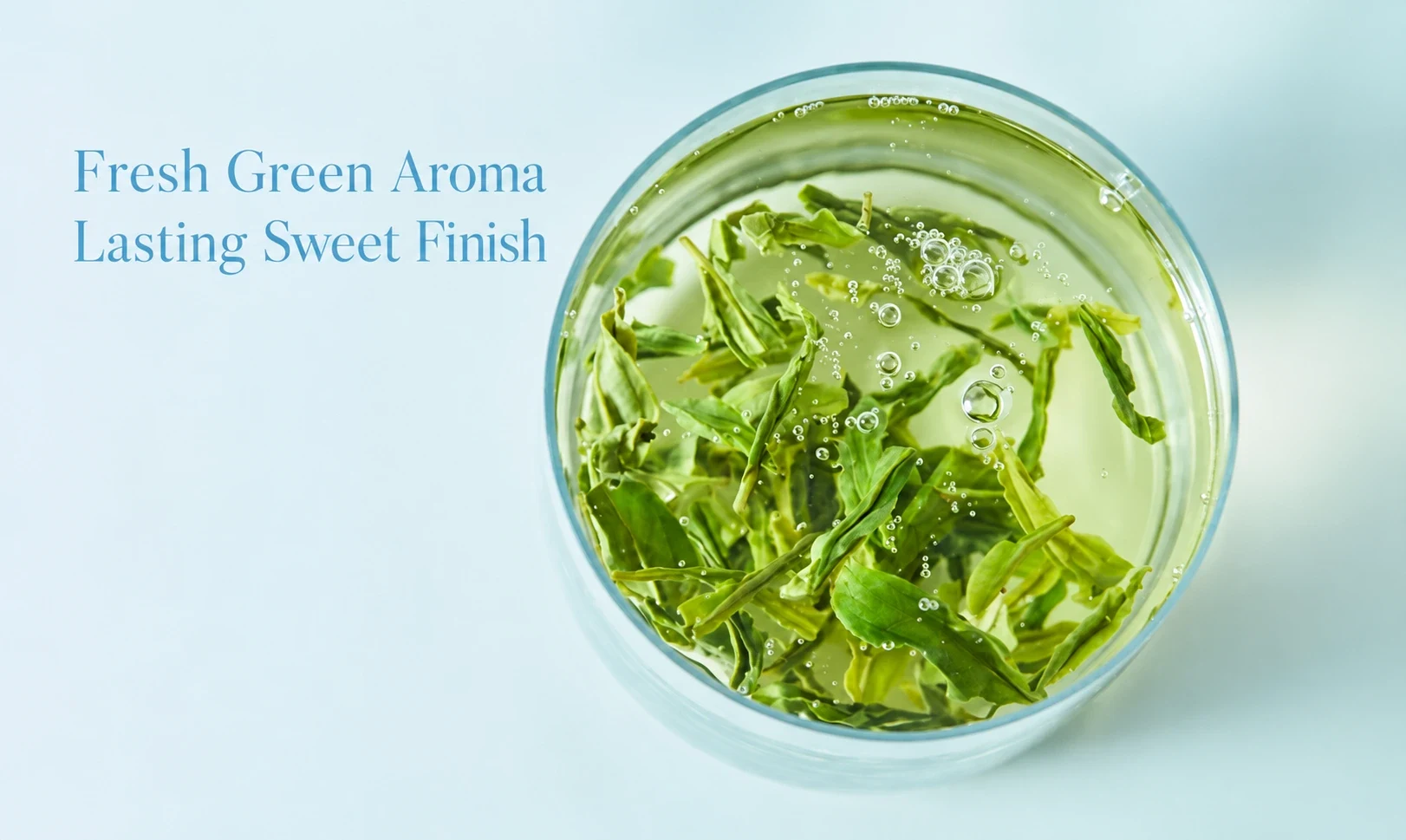
Huangjinya’s yellowish leaf appearance comes from its plant characteristics. When made by green-tea processing, it remains green tea. Yellow tea is distinguished by its processing, including a yellowing stage, rather than the mere presence of yellow leaves or golden liquor.