Guides du thé et des objets à thé
Fujian and Taiwan Tea: Shared Roots and Exchange
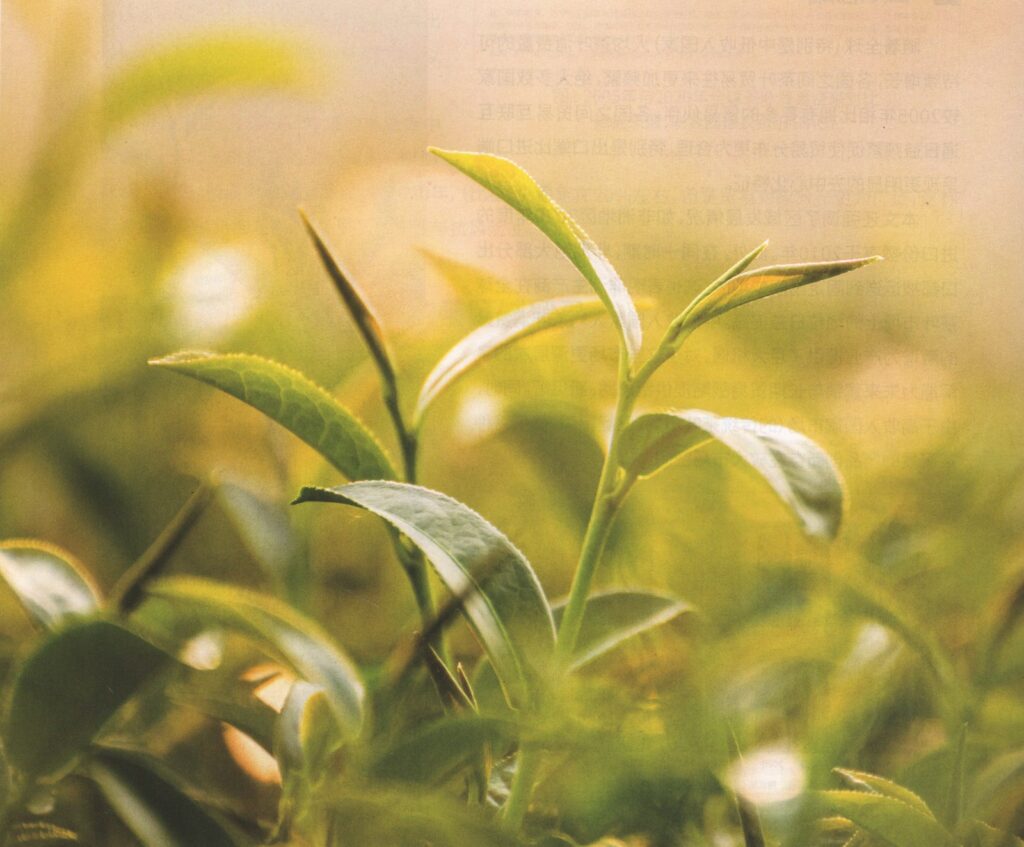
Tea has traveled between Fujian and Taiwan in more than one direction. Plants and ways of making tea crossed the Taiwan Strait; later, growers, equipment, investment and new ideas about selling tea made the return journey. The result is a history of exchange that can still be read in the names of teas, the skills of their makers and the landscapes where they grow.
To understand that exchange, it helps to look beyond a finished packet of leaves: to regional tea traditions, shared growing and processing knowledge, business partnerships and the everyday practice of sharing tea. For buyers overseas, that history also raises a useful question: where was this particular tea actually grown?
Fujian’s place in Chinese tea
Fujian, on China’s southeastern coast, is closely associated with oolong, white tea, black tea and jasmine-scented tea. Its tea traditions are varied enough that “Fujian tea” describes a family of regional practices rather than one flavor or one production method.
These traditions sit within China’s wider tea culture: cultivating tea gardens, picking and processing the leaves, preparing the drink and welcoming guests with a cup. The work is agricultural, but it is also social. Knowledge passes between generations through repeated, hands-on practice.
In 2022, UNESCO inscribed China’s traditional tea processing techniques and associated social practices on its Representative List of the Intangible Cultural Heritage of Humanity. The inscription recognizes a living body of knowledge and customs, rather than certifying individual retail teas.
Six Fujian tea traditions to know
| Tradition or tea | Tea category or practice |
|---|---|
| Wuyi rock tea, including Da Hong Pao | Oolong tea making |
| Anxi Tieguanyin | Oolong tea making |
| Fuding white tea | White tea making |
| Fuzhou jasmine tea | Scenting tea with jasmine flowers |
| Tanyang Gongfu | Black tea making |
| Zhangping Shuixian | Oolong tea making |
A small translation point is worth getting right: Chinese hong cha, literally “red tea,” is normally called black tea in English. Hei cha is dark tea, a different category. “Gongfu” in a tea name such as Tanyang Gongfu should also be distinguished from gongfu brewing, the method of preparing tea in repeated short infusions.
Shared roots, with knowledge moving both ways
Historical accounts of Fujian–Taiwan tea exchange trace connections back to the movement of tea plants during the Qing dynasty. Growers carried more than seedlings: they also carried practical knowledge about cultivation and processing. Taiwan’s tea makers developed their own approaches in the conditions they found there.
Later exchanges brought planting material, processing techniques and business experience from Taiwan to Fujian. An official Fujian agriculture department account from 2022 describes the introduction of Qingxin oolong from Fujian to Taiwan and the later establishment of Taiwan-style oolong production in Yongfu, Zhangping.
Tea specialists Zhang Tianfu and Wu Zhenduo are among the figures Zhou Xiongming credits in his account of exchange and education. The connections were sustained by people: growers visiting farms, makers comparing methods and teachers passing on what they had learned.
Shared roots do not make teas from different places interchangeable. A cultivar can travel; the weather, soil, harvest and decisions of the maker still belong to the place where that particular tea was produced.
Six ways Fujian and Taiwan tea communities have worked together
1. Reciprocal visits and practical learning
Direct exchange between tea professionals is often where practical learning begins. A visit to a tea garden or processing workshop lets people compare decisions that are difficult to explain on paper: how leaves are handled, when a batch is ready for the next step, or how equipment is used.
Writing about cooperation, Zhou describes different strengths in land, production resources, equipment, management and marketing. Those observations reflect the economic context of his account. The lasting point is the value of learning from another producer’s experience, rather than assuming every business in either place works the same way.
2. Partnerships between tea businesses
Business cooperation connects growing, processing, distribution and retail. Zhou contrasts the scale of some Fujian tea chains with smaller specialist businesses in Taiwan, arguing that enterprises with different experience can learn from one another.
For producers, that can involve product development, quality management or reaching a different audience. For drinkers, the useful question is what the partnership contributes to the tea: a clearly identified cultivar, a particular processing approach or better information about the people who made it.
3. Tea fairs, tastings and industry meetings
The Cross-Strait Tea Industry Expo offers a meeting place for growers, manufacturers, buyers and tea enthusiasts. Alongside displays of well-known teas, tasting events and tea competitions give makers opportunities to compare their work.
Such exhibitions bring commercial introductions, practical knowledge and tea culture into one setting. Their value is not limited to the display stand: the conversations around a tasting table can be just as useful.
4. Agricultural enterprise parks and the Yongfu example
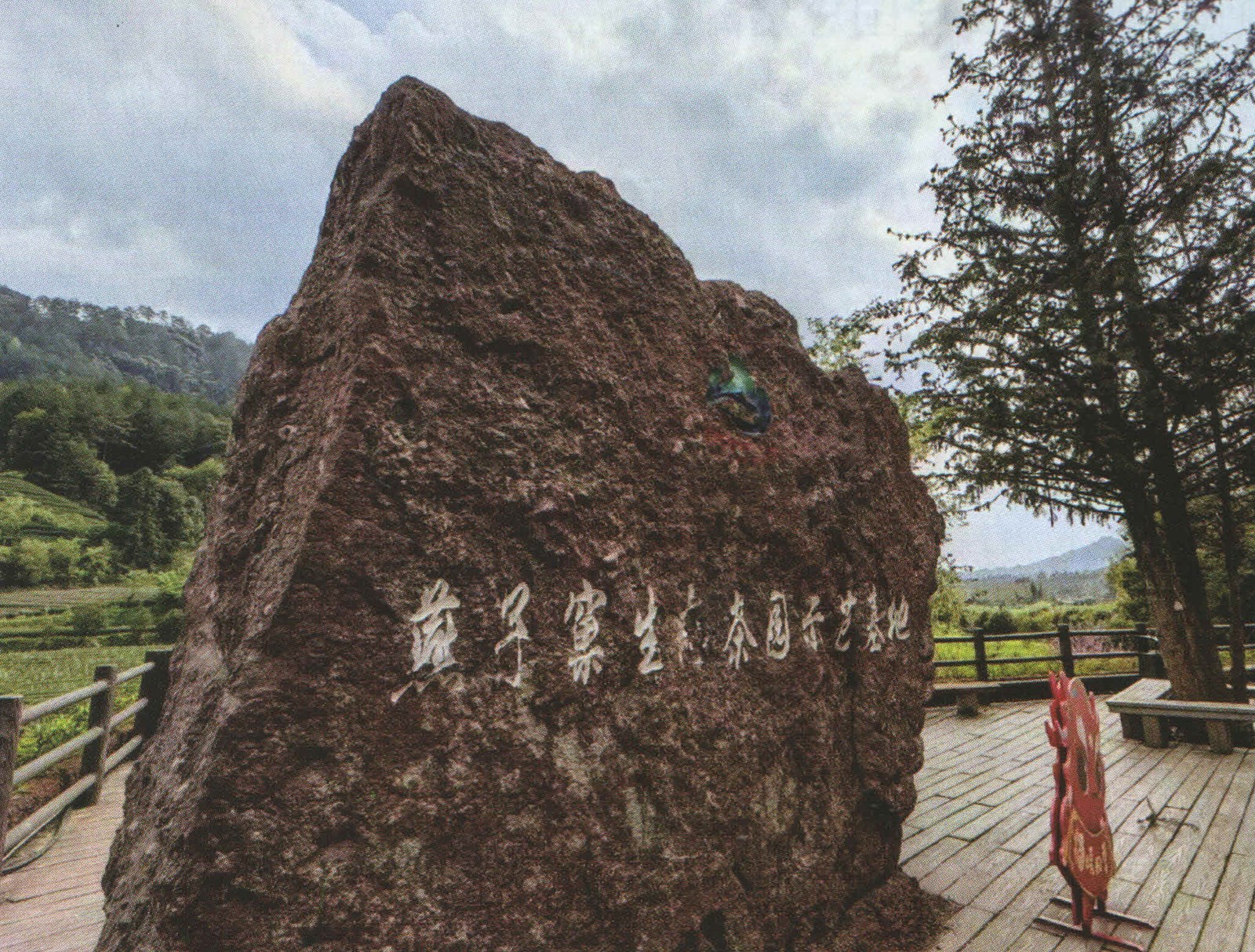
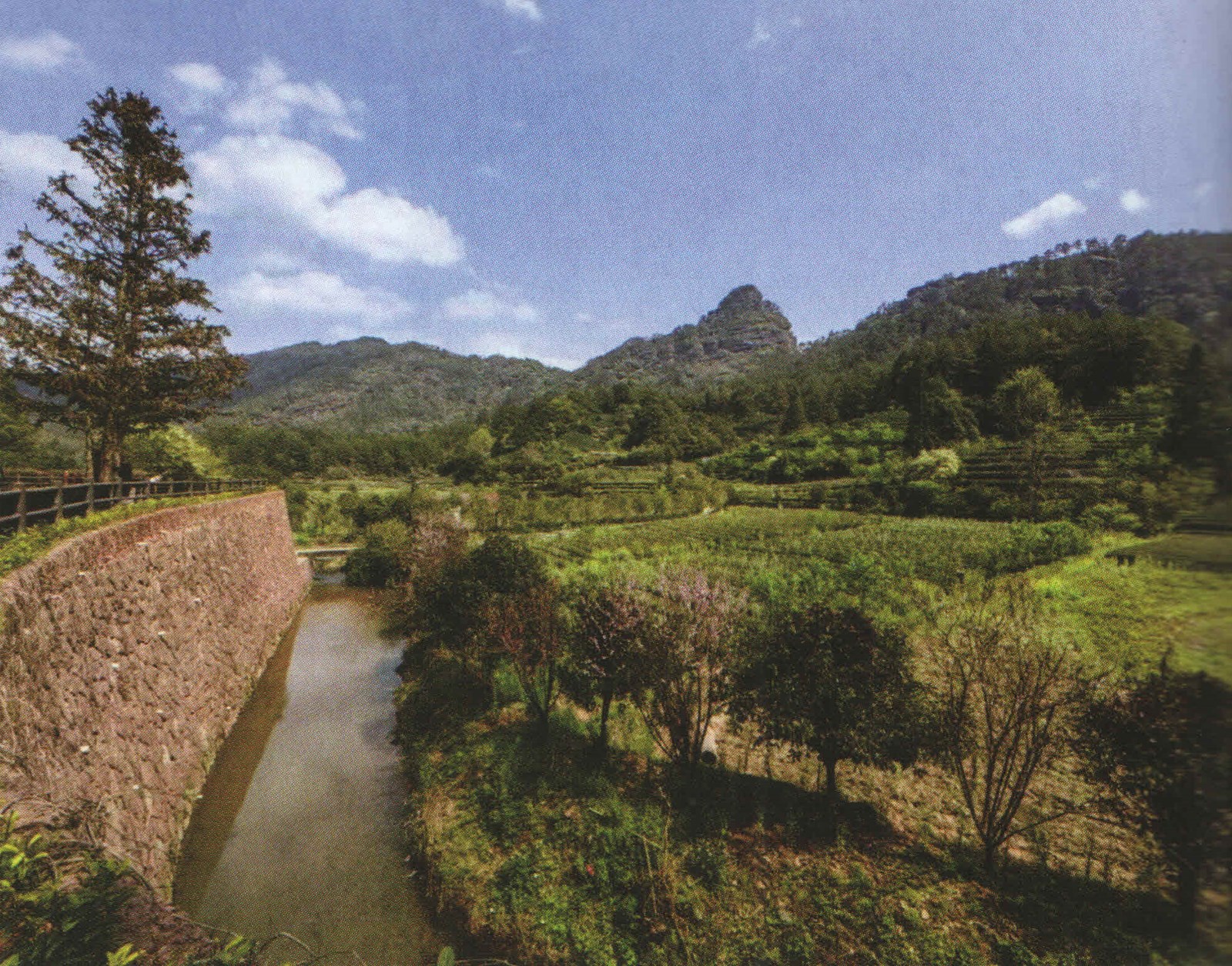
Taiwan Farmers’ Entrepreneurship Parks provide another setting for cooperation between growers and businesses. Yongfu in Zhangping, Fujian, is a prominent tea-growing example in Zhou’s account.
Taiwan growers brought planting material, processing and management experience to Yongfu, where highland conditions suited their work. The area became known for Taiwan-style high-mountain oolong and acquired the nickname “Mainland Alishan.”
That nickname describes a comparison, not the tea’s growing origin. Tea grown in Yongfu is grown in Fujian, China. It should not be described as tea grown in Alishan, Taiwan, simply because a cultivar, processing style or producer has a Taiwan connection.
5. Tea culture, education and public events
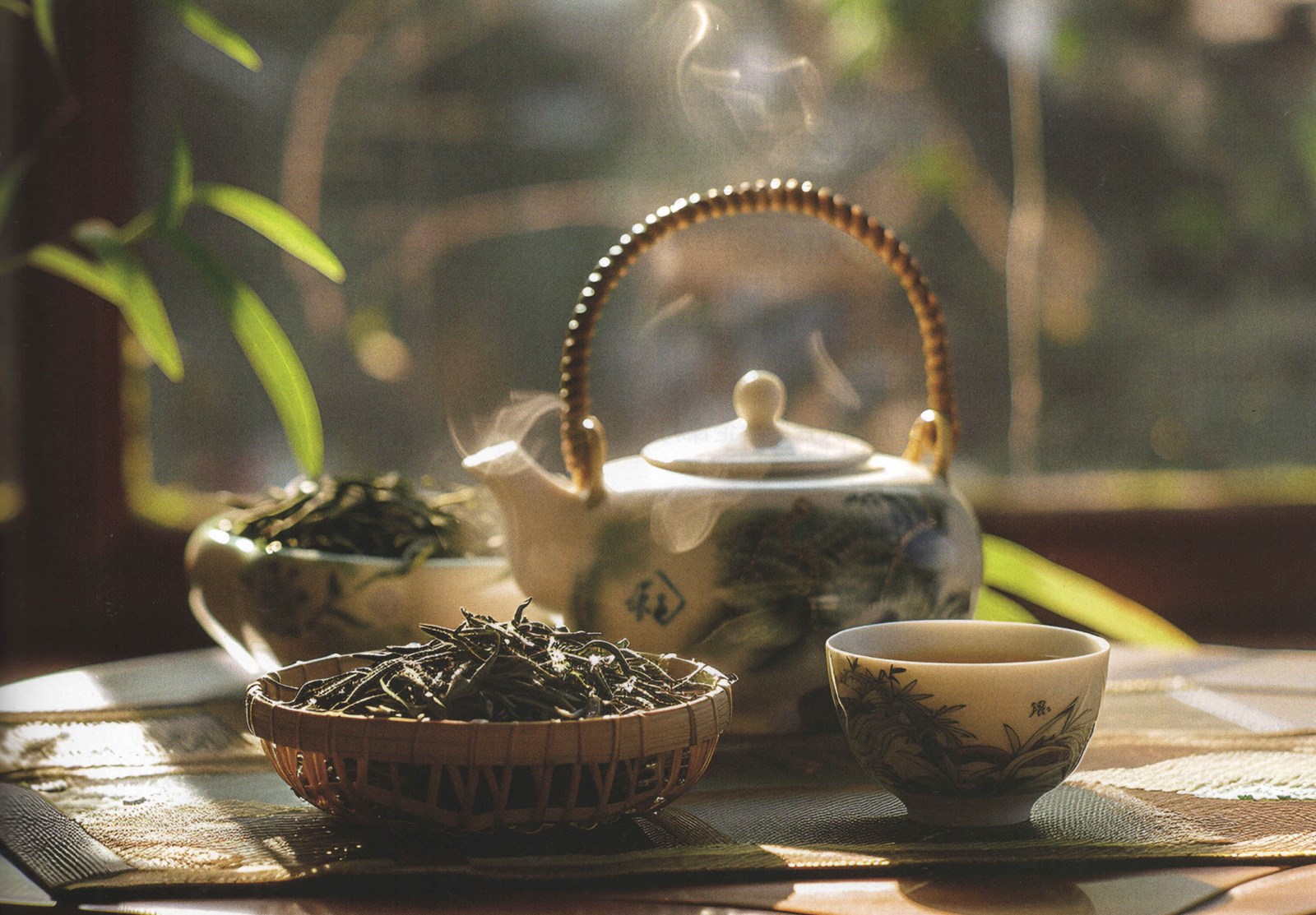
Lectures, tea preparation demonstrations and tasting competitions bring tea knowledge to a wider audience. They offer a way into the subject beyond production figures or business agreements.
A demonstration can show the care involved in preparing a tea. A comparative tasting can make differences between batches easier to notice. A conversation with a maker can connect a familiar tea name to a person, a place and a set of working choices.
6. Tea gardens, local culture and rural tourism
Tea growing also connects with travel and local life. Zhou describes Yongfu’s tea landscapes, folk culture and rural hospitality as parts of a broader tea experience.
This approach allows a visitor to see more than a finished packet of leaves. Gardens, workshops, local food and community traditions help explain the setting in which a tea is made. They can also give farming communities additional ways to earn a living.
For anyone planning a visit, opening arrangements and available activities should be checked with the venue.
Connecting the supply chain, businesses and tea culture
Zhou’s closing argument calls for three kinds of connection: linking the growing-to-selling supply chain, strengthening cooperation between tea businesses, and bringing tea culture organizations into the same conversation.
In practical terms, that means treating cultivation, processing, sales and cultural education as related activities. A good production technique needs people who can use it consistently. A regional tea name needs a clear explanation for buyers. A cultural event is more useful when it connects visitors with the people doing the work.
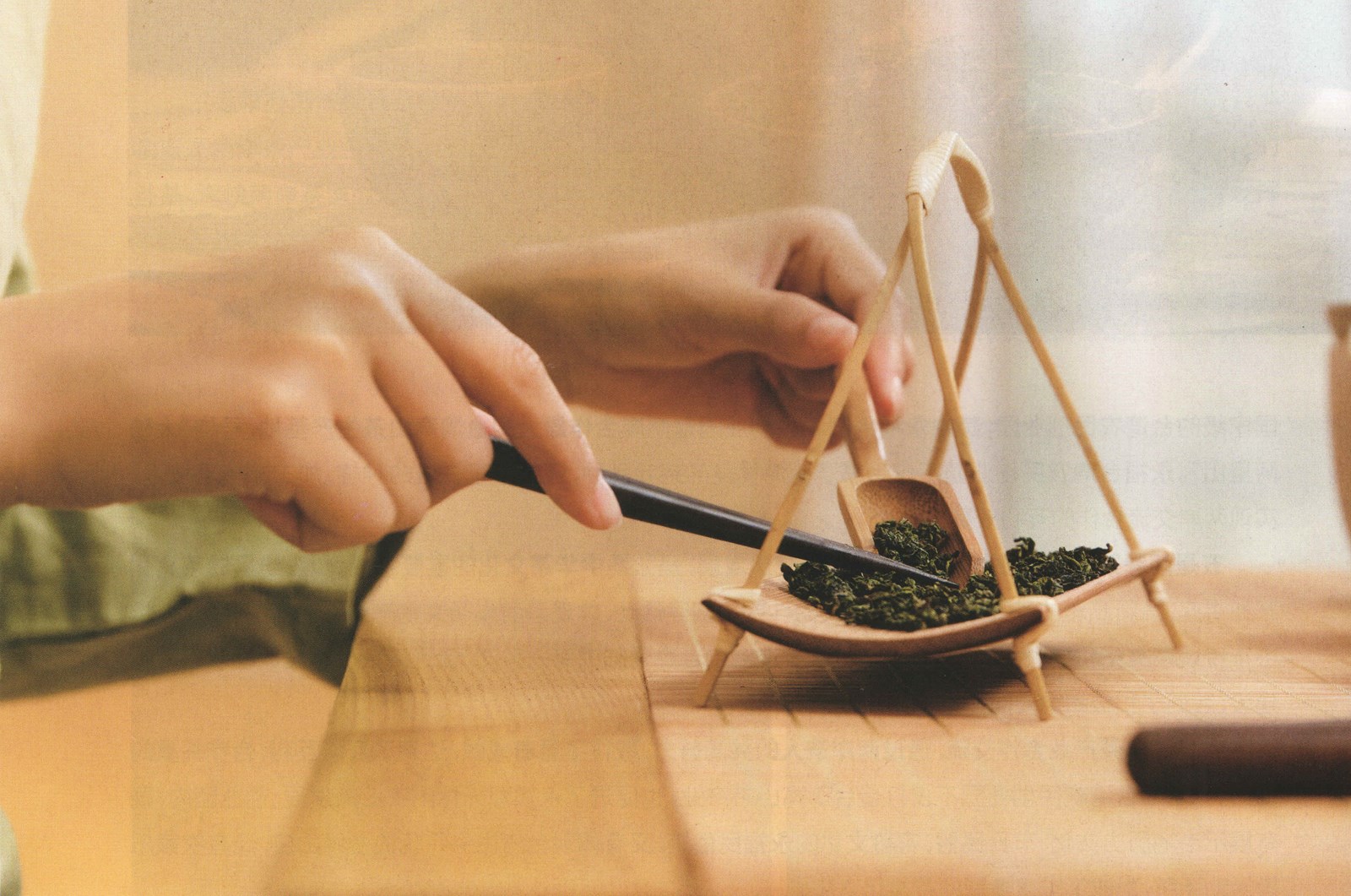
Keeping policy dates and targets in context
The policy setting includes the central government’s announcement on a Fujian demonstration zone for cross-strait integrated development. The official announcement was issued in September 2023; the original article’s reference to September 2022 is inconsistent with that announcement.
A separate Fujian policy set a goal of exceeding RMB 200 billion in tea-industry-chain output value by 2025. This was a historical target covering the wider industry chain. It was not a tea export value, and the target itself is not evidence that it was achieved. The 2021 Fujian agriculture policy provides the original context.
Read in that setting, the essay is both an account of established exchange and an argument for further cooperation. Its proposals should be distinguished from measured outcomes.
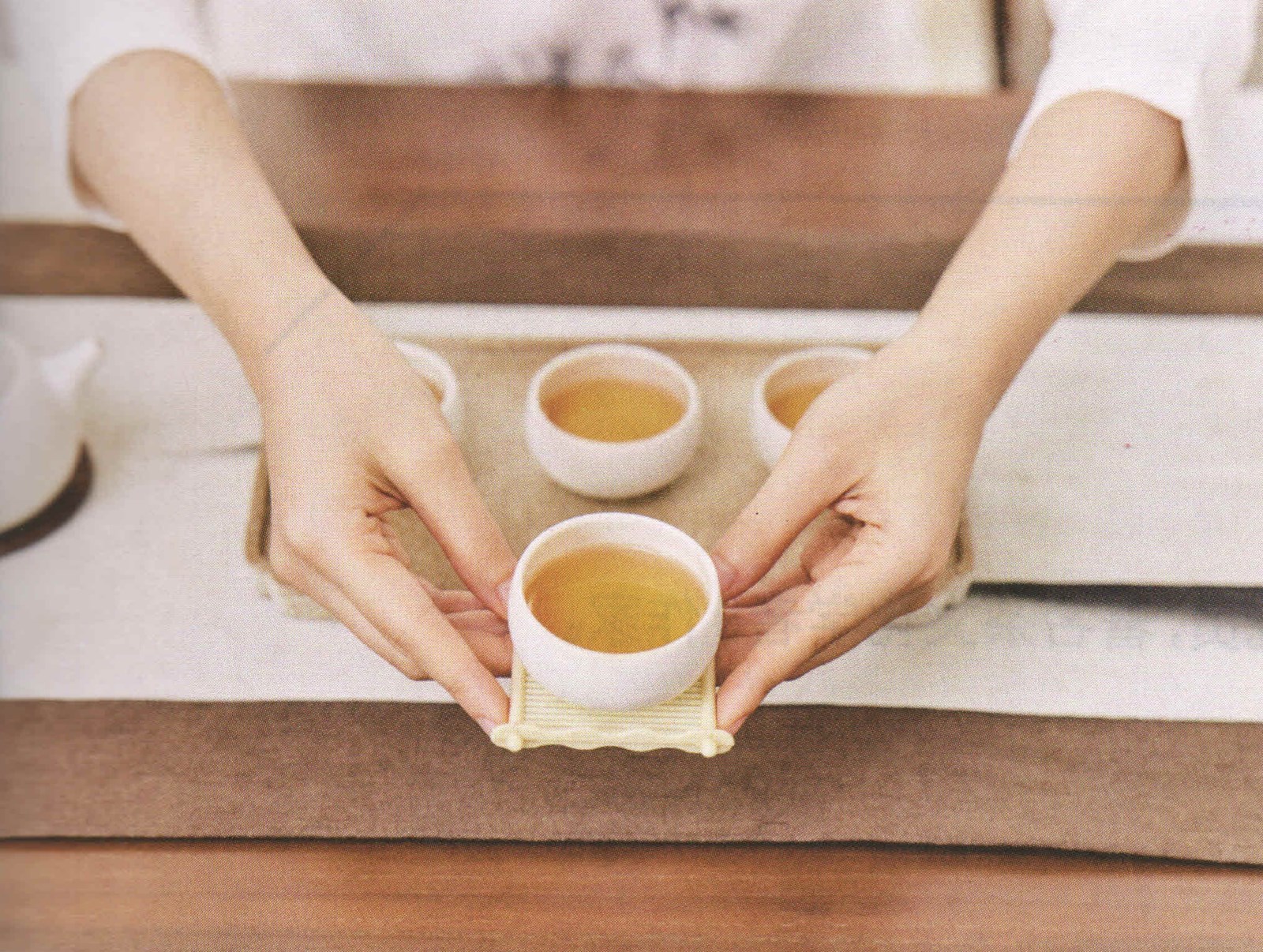
Three origin questions for an overseas tea buyer
Is Taiwan-style oolong necessarily grown in Taiwan?
No. The phrase can describe a production approach or connection with Taiwan tea makers. Ask for the actual growing location. Yongfu-grown oolong and Taiwan-grown oolong should be identified by their respective origins.
Does a shared cultivar mean two teas will taste the same?
No. A cultivar is one part of a tea’s identity. Growing conditions, picking and processing also matter. Treat a shared cultivar as useful background, rather than a promise of an identical cup.
What information is more useful than a broad regional story?
Look for a specific growing area, the producer or responsible business, the tea style and harvest information where available. Stories about shared heritage become more informative when they sit beside those details.
For the wider trading context, read how the global tea trade network changed between 2005 and 2020. For a practical next step at home, our gongfu tea brewing guide explains how to compare successive infusions without an elaborate setup.

Source and adaptation notes
Adapted from Zhou Xiongming’s Chinese essay, “Using Tea to Encourage Exchange and Advance Fujian–Taiwan Tea Industry Integration,” pages 16–21 of the supplied publication. The illustrations follow their positions in the original, with English descriptive captions.
This English edition reorganizes the material for international readers, explains tea terminology and distinguishes growing origin from cultivar and processing connections. Historical policy targets are not presented as achieved results or current statistics. UNESCO status and the policy dates and target above are linked to their official sources.