Guides du thé et des objets à thé
Can Green Tea Prevent Cancer? What the Evidence Shows
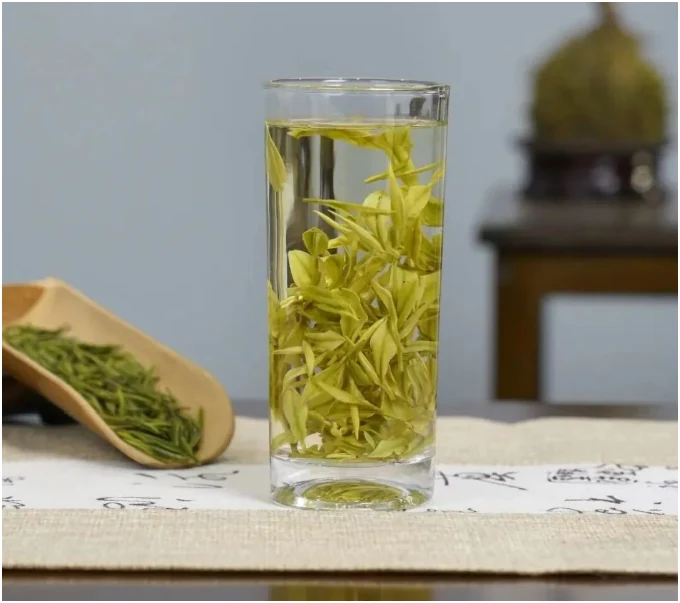
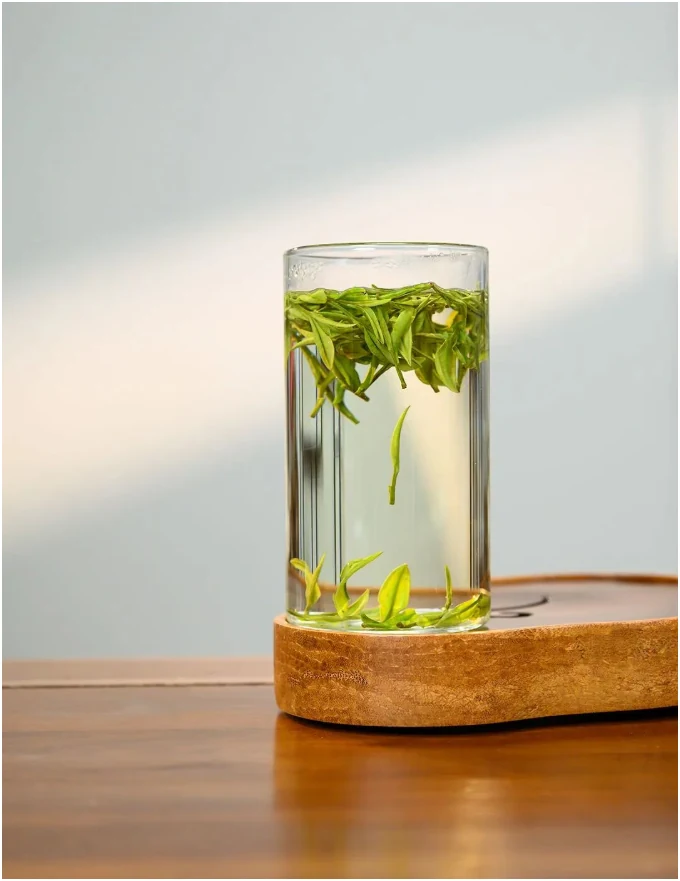
Green tea contains catechins, including EGCG, that interest cancer researchers. Laboratory results can reveal biological activity, but they do not prove that a daily drink prevents cancer. Human studies have produced inconsistent results, so a confident promise of cancer prevention goes beyond the available evidence.
A compound, an extract and a cup are different exposures
An isolated compound can be tested at a controlled concentration in cells or animals. An extract capsule has a different composition and dose from brewed tea. Neither can be converted casually into a number of cups. Likewise, a trial reporting a change in an oxidative-damage biomarker has not necessarily measured fewer cancers or lower cancer mortality.
What human evidence can support
The Cochrane review found limited, inconsistent evidence rather than an established preventive benefit. Study designs, populations and cancer sites differ. That is a reason to keep researching, not to choose the most favorable isolated finding and apply it to everyone. The NIH NCCIH summary also describes inconsistent cancer results.
More concentrated is not automatically better
Brewed tea and high-dose supplements deserve separate consideration. Concentrated green tea extracts can have adverse effects and interactions; they should not be used as a do-it-yourself cancer-prevention protocol. Anyone receiving cancer treatment should discuss supplements with the treating team rather than adding them on the assumption that “natural” means harmless.

Let hot tea cool before drinking
The temperature used to extract leaves is not the temperature at which tea should be swallowed. Let any hot beverage cool to a comfortable level. Choosing tea for its flavor is reasonable; using a presumed preventive effect to justify scalding-hot drinking or postponing screening is not supported by this evidence.