Guides du thé et des objets à thé
Taiping Houkui Tea: Origin, Long Leaves and Orchid Aroma
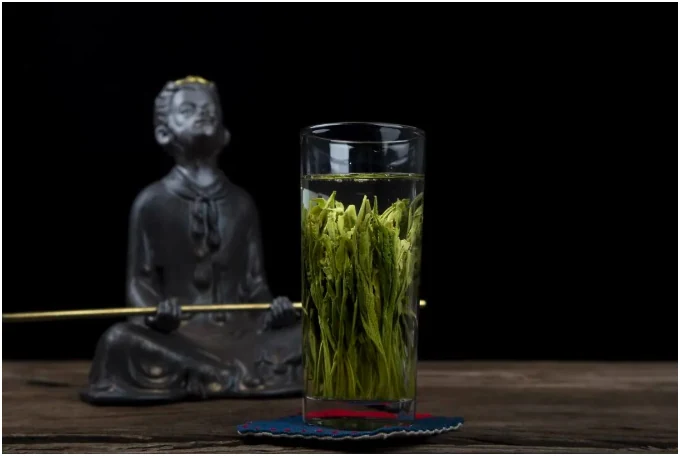
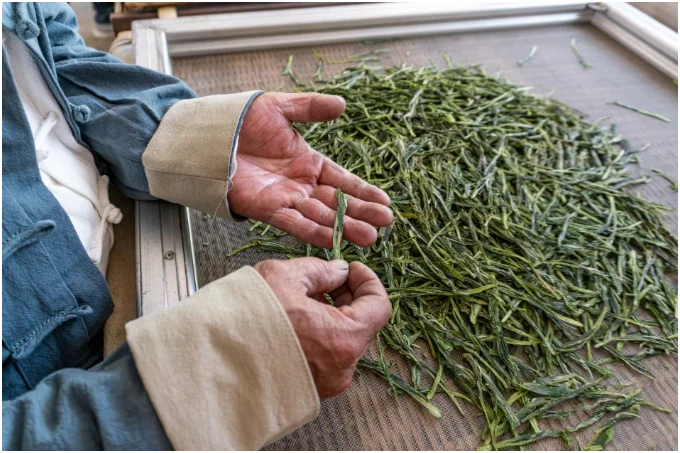
Taiping Houkui is immediately recognizable among Chinese green teas for its long, flattened leaves embracing a bud. It comes from Huangshan District in Anhui, historically Taiping County. Its appeal is a style of its own, not a need to prove that one cup is universally better than Longjing.
A mountain setting and a distinctive leaf selection
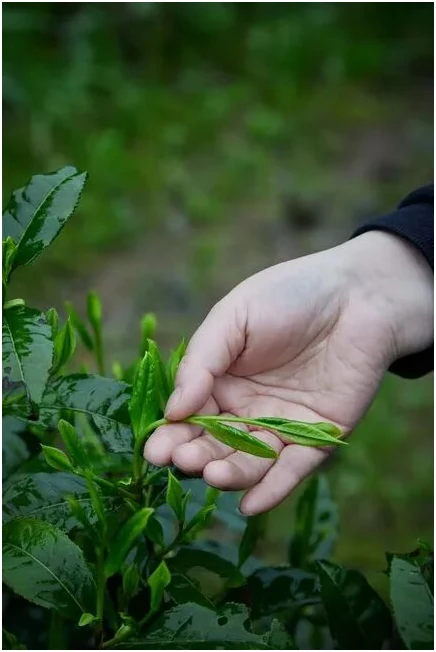
Houkeng, Hougang and nearby growing areas are important names in its local tradition. The large-leaf Shidacha population provides a different starting material from tiny bud-focused green teas. Fresh shoots are carefully selected and trimmed into suitable bud-and-leaf units. Later spring picking can be appropriate for this material: “before Qingming” is not a universal rule for the best green tea.

The long shape takes work
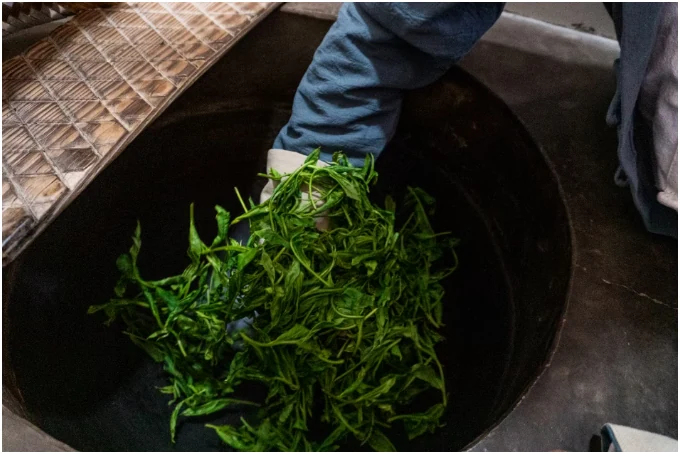
Pan fixation, shaping and staged drying develop the finished leaf. Handling and arranging the material help preserve its characteristic long form. A flat leaf is therefore not simply a large leaf pressed at the end. Look for coherent, sound leaves and a clean cup rather than treating extreme length or an exaggerated net pattern as proof of superior workmanship.

Orchid aroma and “houyun” are tasting language
A good example may suggest delicate flowers, sweetness and a rounded, lingering cup. Houyun, often translated loosely as Houkui’s distinctive charm, is not a single measurable compound or an official flavor everyone must perceive. Cultivar, growing site, manufacture and storage all contribute. A bright clean tea with a pleasing finish is more meaningful than repeating a grand title such as “king of tea.”
Give the leaves enough room
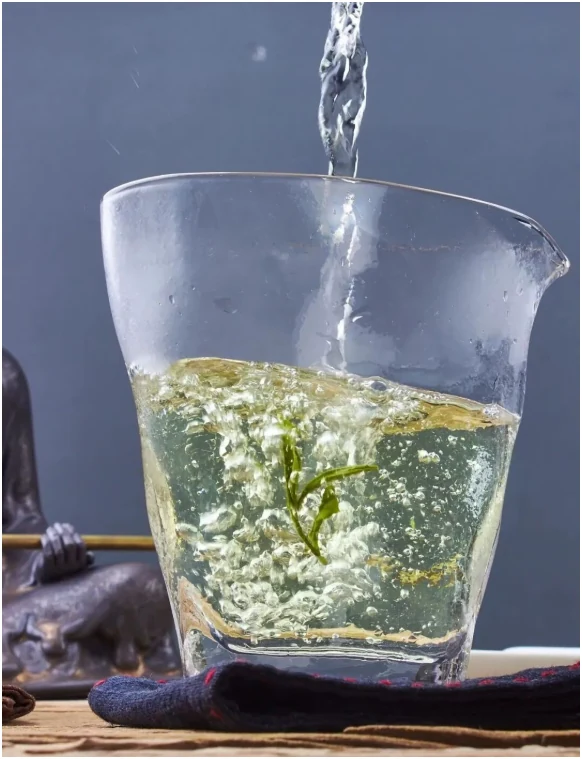
Try a tall heat-safe glass or a wide vessel, about 2–3 g per 250–300 mL and 85–90°C water as a starting point. Let the leaves open without forcing them into a small pot. Taste before extending the steep, and adjust for the batch. Cool the liquor before drinking; long leaves do not require scalding-hot sipping.