Tea Knowledge
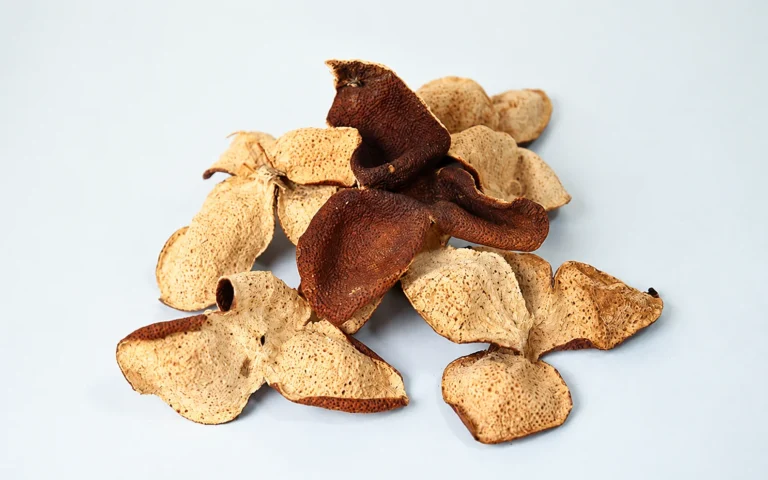
Xinhui Chenpi vs Ordinary Dried Tangerine Peel
Xinhui chenpi has a specific protected origin. Compare it with other dried tangerine peel by raw material, processing, traceability and intended use.

Is Jin Jun Mei Smoked? Understanding Unexpected Smoke
Jin Jun Mei is usually an unsmoked black tea. Learn how it differs from smoky Lapsang Souchong and what to ask if your cup tastes…
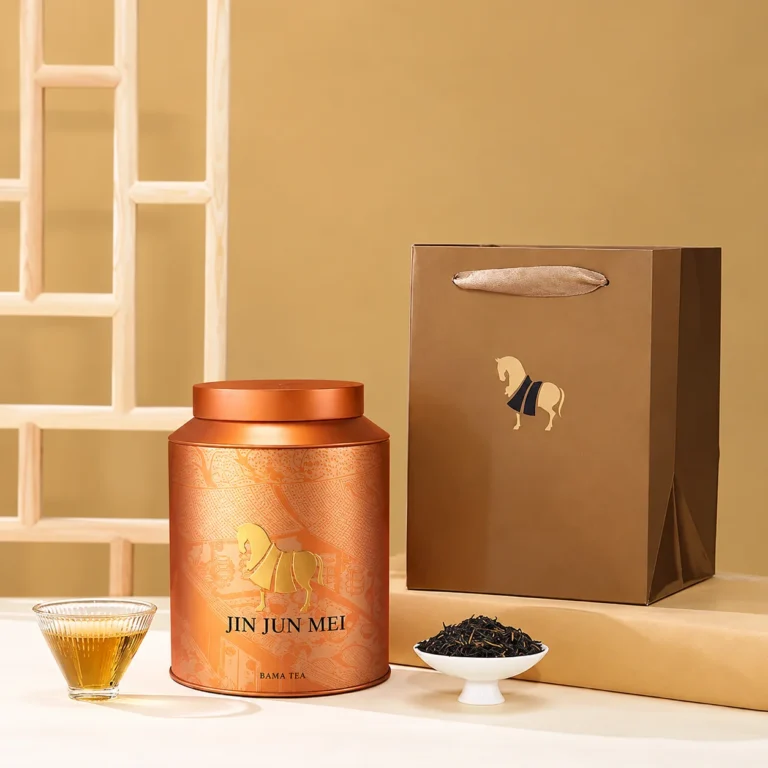
Jin Jun Mei Price Guide: Everyday Tea and Cost per Cup
Compare Jin Jun Mei prices per 100 g and brewing session. Understand origin premiums, gift packaging and how to set an everyday tea budget.

Where Is Jin Jun Mei Tea From? Tongmu and Wuyi Origins
Explore Jin Jun Mei tea origins in Tongmu, Wuyi Mountains, China, and learn which origin details to check before buying.

Tongmu vs Other-Origin Jin Jun Mei: What to Compare
Compare Tongmu and other-origin Jin Jun Mei using traceability, picking details and side-by-side tasting, beyond aroma and golden tips.

What Does Jin Jun Mei Taste Like? Aroma and Texture
Explore Jin Jun Mei flavor, from floral and honey-like aromas to texture and finish, with practical tips for tasting Chinese black tea.

Jin Jun Mei Golden Tips: Can You Spot Sugar or Flavoring?
Learn what Jin Jun Mei golden tips can tell you, why home tests cannot confirm sugar or flavoring, and which buying details matter.

How to Brew Jin Jun Mei: Water Temperature, Ratio and Time
Brew Jin Jun Mei in a gaiwan or mug with practical starting ratios, water temperatures and steeping times, then adjust to your tea.
Jin, Yin and Tong Jun Mei: What Do the Tea Names Mean?
Understand Jin Jun Mei, Yin Jun Mei and Tong Jun Mei names, common picking descriptions, Chigan labels and what to verify when buying.

How to Store Jin Jun Mei Tea and Keep It Fresh
Store Jin Jun Mei away from moisture, heat, light and odors. Learn how packaging, opening and the producer’s date guidance affect freshness.