चाय और चाय के बर्तनों के मार्गदर्शक
Fresh vs Stale Longjing Tea: What You Can Check

A fresh harvest date is useful, but freshness also depends on drying, packaging and storage. A well-kept previous-season Longjing may taste more lively than a poorly handled recent packet. Before judging color, ask what harvest the seller claims and how the tea has been kept.
Look at color without making it a date stamp
Oxidation and exposure to heat or light can dull green leaves and change liquor color. Yet cultivar, roast and leaf maturity also influence yellow-green tones. A brownish sample beside a greener one illustrates a difference in appearance; it cannot by itself establish when either was harvested. Artificially bright green is not a reliable quality target, either.
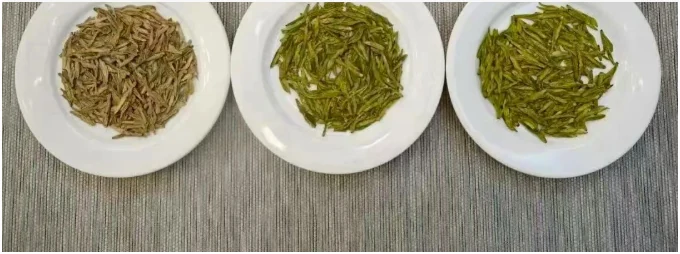

Smell and taste the actual tea
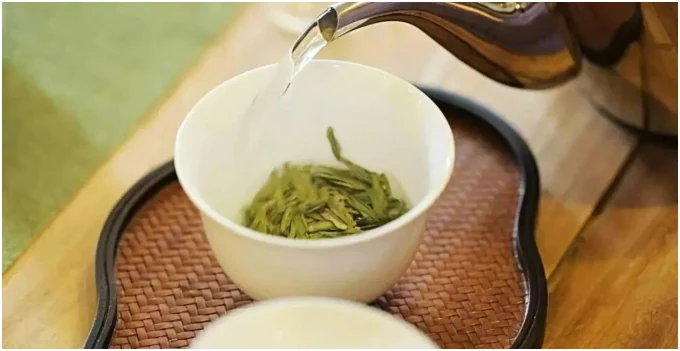
In sound tea, compare the dry-leaf aroma and the cooled infusion. Clean, fresh floral or toasted notes may fade in storage, while stale or absorbed household odors can become more evident. Brew a consistent light sample to judge texture and finish. Do not taste tea with suspected mold or damp damage to find out if it is safe.
Crispness cannot authenticate a harvest
Dry leaves can break crisply when suitably dried, but old tea can also remain dry, and new tea can absorb moisture. Re-drying does not turn a previous harvest into a new one. Nor does a mild cup mean that all caffeine or nutritional compounds have vanished. Ask for traceable lot details and judge the claim separately from how much you enjoy the flavor.
Keep future comparisons meaningful
Keep the original lot and storage instructions, divide bulk purchases into small sealed portions and avoid frequent warming and reopening of chilled tea. If a packet was sold as a particular harvest and seems inconsistent, contact the seller with the batch information rather than relying on a photo-based accusation.