चाय और चाय के बर्तनों के मार्गदर्शक
How Long Should Pu-erh Tea Age? Reading the Evidence

There is no universal year at which every Pu-erh reaches its best. Starting material, manufacture and storage differ too much for that. Age can change a tea’s balance, but it does not automatically increase quality. The useful question is whether a particular tea is developing in a direction you enjoy under the conditions in which it is actually kept.
What may change in a raw Pu-erh
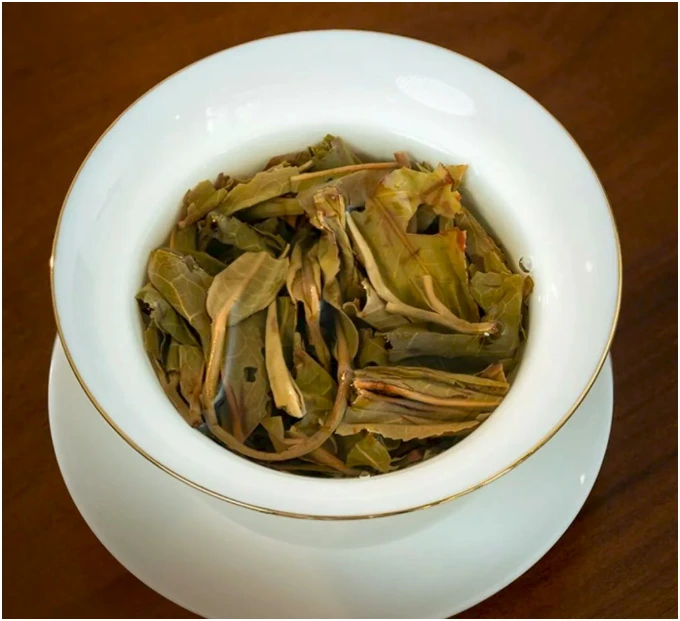
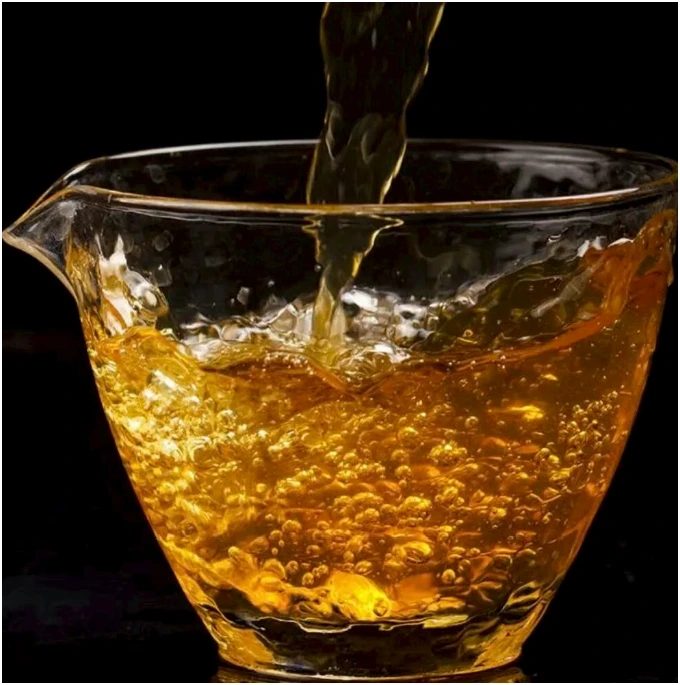
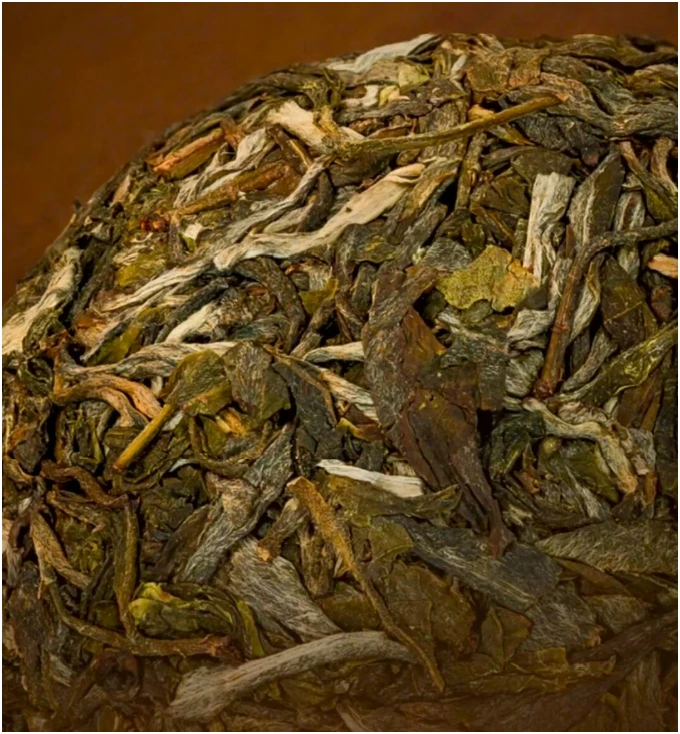
A young raw tea may show brighter, greener or more assertive impressions. With suitable storage, some lots develop deeper aromas, a darker infusion and a softer texture. Individual compounds do not all rise or fall together. A change in liquor color alone cannot tell you the tea’s exact age, and a herbal-sounding aroma is not evidence of a medicinal benefit.
What a storage study can and cannot prove
A published study of raw Pu-erh over a range of storage ages found changes in catechins, amino acids and other compounds, with sensory differences also linked to storage environment. These are findings about its sample sets, not a promise that eight, fifteen or twenty-five years is optimal for all cakes. Comparing teas of different years can also mix the effects of harvest and manufacture with those of time.
Raw and ripe tea have different starting points
Ripe Pu-erh has already undergone pile fermentation, while raw Pu-erh follows a different manufacturing path. Both may change during storage, but their flavor trajectories need not match. For home storage, keep a small log of the same batch tasted periodically, using similar brewing conditions. Drink it when it is enjoyable rather than keeping a disappointing cake merely because a calendar target has not been reached.