चाय और चाय के बर्तनों के मार्गदर्शक
Lincang Pu-erh Tea Regions: Beyond a Price Ranking
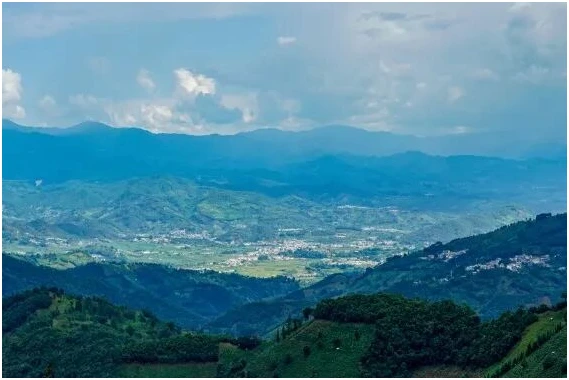
Lincang, in southwestern Yunnan, China, is an important tea-growing region with more to explore than a list of expensive villages. A place name gives geographical context, but the finished tea also reflects plant material, harvest, manufacture and storage. Treat the following names as a route into the region, not a league table promising identical flavor from every lot.
Bingdao and nearby Mengku names
Bingdao is widely discussed for a sweet, fine-textured raw Pu-erh style. Ask whether the product identifies Laozhai or one of the other villages included in the wider Bingdao name. Xiaohusai is another frequently encountered Mengku name. Comparisons calling it a replacement for Bingdao are tasting or value opinions, not evidence that the two origins are interchangeable.

Xigui and other growing sites
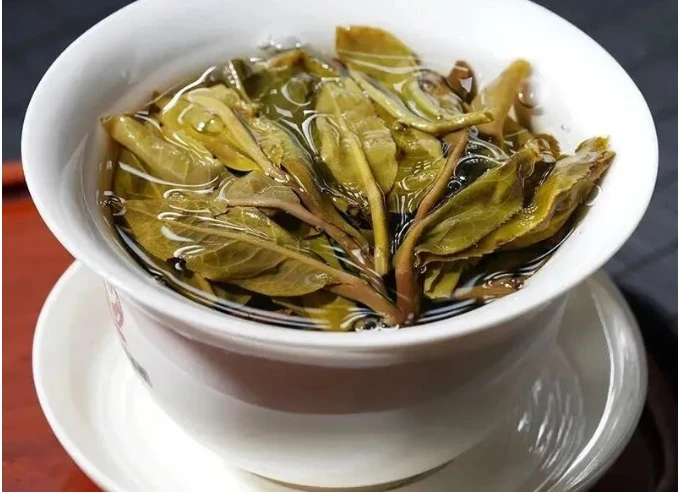
Xigui is associated with the Bangdong area and often attracts descriptions of a firm, aromatic liquor. Lüshuitang and Huajiaoshu also appear in contemporary Lincang discussions. Such descriptions are invitations to compare samples, not fixed specifications. A low-elevation site does not automatically make inferior tea, just as a high elevation cannot make every batch excellent.
How to use a historical price list
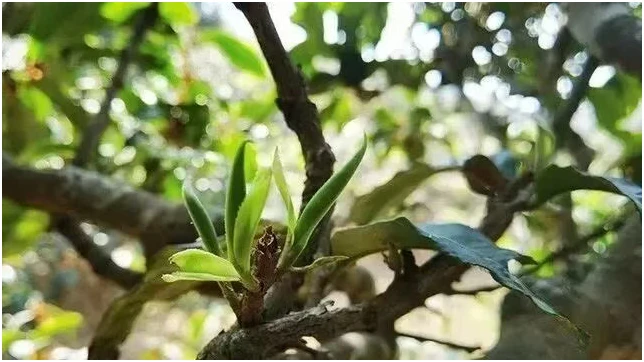
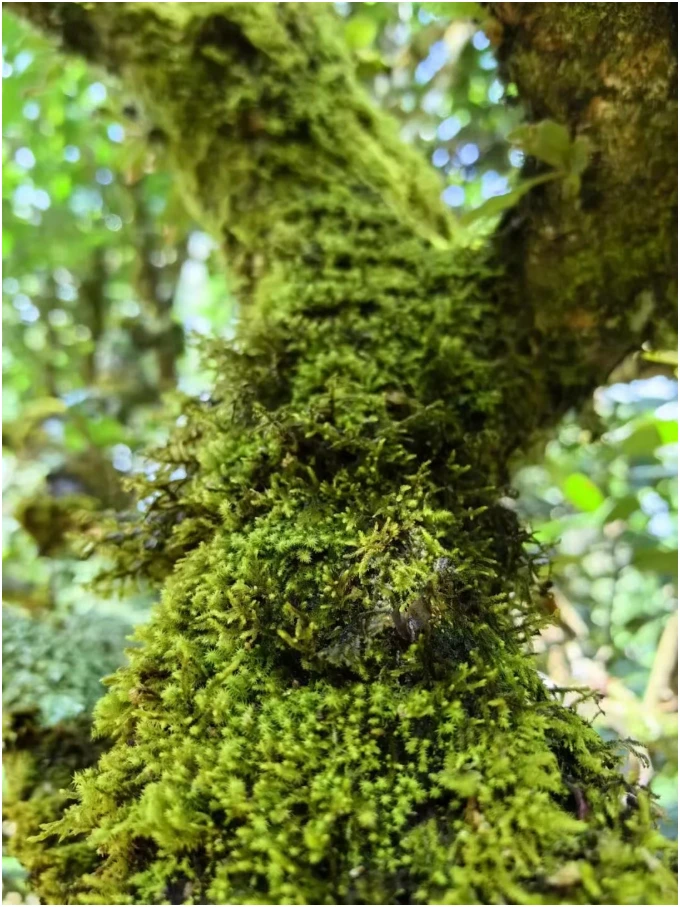
The source material quotes a 2024 spring-tea price index and individual field observations. Those figures are historical snapshots, not current offers or independently verified prices for every seller. Fresh leaves, unfinished maocha and retail cakes are different products, and kilograms of one cannot be compared directly with kilograms of another. Harvest window, grade and the scope of an origin claim also affect the comparison.
Build a useful tasting route
Choose a few clearly described lots, ideally of similar age and processing, and brew them with the same leaf-to-water ratio. Record aroma, body, bitterness, astringency and aftertaste. Ask for producer and batch details before paying for a famous location. The most useful regional knowledge is the ability to connect the label with a traceable product and a cup you actually enjoy.
