चाय और चाय के बर्तनों के मार्गदर्शक
Why Does Ripe Pu-erh Leave a Dry Mouth or Throat?
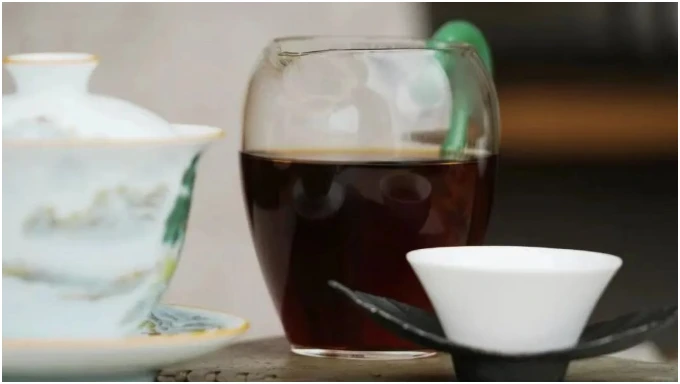
Ripe Pu-erh is often described as smooth, yet some cups leave a dry, tight or uncomfortable feeling. Those descriptions do not all mean the same thing. Astringency is a mouthfeel; burning, pain and persistent throat irritation require a different response. Do not continue drinking an unpleasant tea simply because someone calls discomfort a sign of strength.
Start with the cup, not a diagnosis
A strong infusion can make drying sensations more noticeable. Compare a smaller dose or shorter steep and let the liquor cool to a comfortable drinking temperature. Keep the water and vessel consistent. Research on tea astringency links part of the sensation to interactions between polyphenols and saliva; that is not the same as proving that the body is dehydrated.

Processing and storage deserve attention
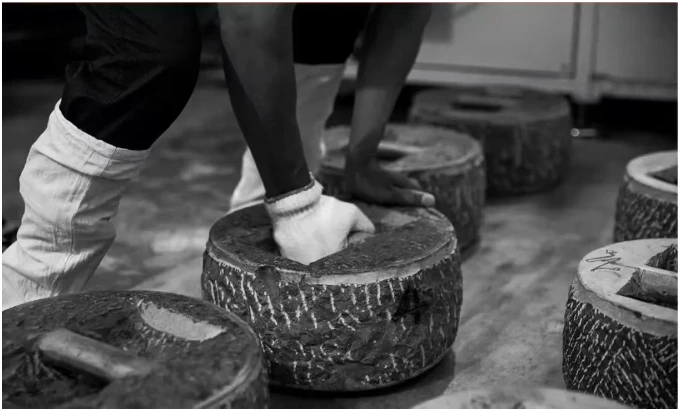
Pile fermentation, drying, blending and later storage all affect a ripe tea’s final character. Newly made tea may have a less settled aroma, but no fixed number of months guarantees that every batch becomes pleasant. A drying sensation also cannot reveal a factory’s exact drying temperature or prove that blending was incorrect. Ask for production and storage information before attributing one taste to one process.

When to set a tea aside
Visible mold, damp packaging, a strong unexplained odor or repeated discomfort should not be managed by repeated rinses or home roasting. Stop using that lot and contact the seller. If mouth or throat symptoms persist independently of the tea, seek an appropriate medical assessment. A quality guide can help organize observations, but it cannot diagnose a health condition from a tasting description.