चाय और चाय के बर्तनों के मार्गदर्शक
Shen Hong on Longjing: Ten Questions for Tea Buyers
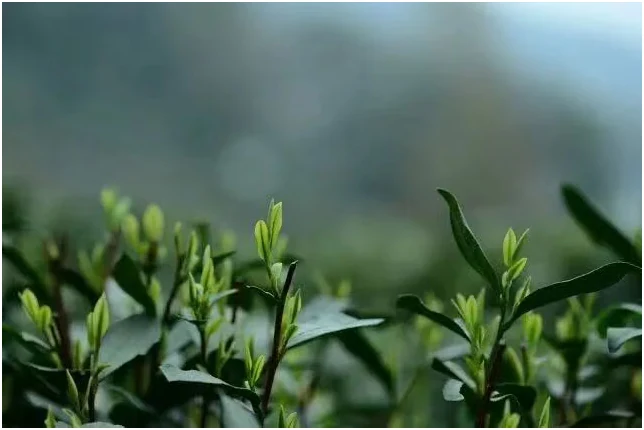
Tea evaluator Shen Hong has discussed Longjing identification in Chinese public broadcasts. The supplied interview brings together ten questions that often get separated into sales slogans. This edited guide keeps those questions, while removing dated weather predictions and treating taste descriptions as observations rather than certificates of origin.
1. Does every Longjing come from West Lake?
No. West Lake is a specific origin within the broader Longjing landscape. Qiantang and Yuezhou are other regional names you may encounter. A seller should substantiate a West Lake claim for the actual tea, not merely show that its cultivar can be used for flat green tea.
2. What do the historic origin names tell us?
Shifeng, Longjing, Yunqi, Hupao and Meijiawu help explain local history. They are not five commercial brands or a universal grading ladder. Production style and the condition of a particular lot still matter.
3. Longjing 43 or Quntizhong?
Longjing 43 is a clonally propagated cultivar; Quntizhong is a seed-grown population. The former generally flushes earlier, while the latter is more variable. Neither label guarantees a specific amino-acid level or better flavor in every garden.

4. Can appearance rule out Wuniuzao?
Bud shape and harvest timing may prompt useful questions, but photographs and red dots on stems are not conclusive authentication tools. Ask for cultivar, growing location and traceable batch information together.

5. Are Shifeng and Meijiawu always different colors?
The interview links stronger firing with warmer yellow-green tones and lighter handling with fresher green impressions. Those are style tendencies, not a reliable color map of origin. Storage also changes color.

6. Bean aroma or bean-flower aroma?
Roasted-bean suggests an obvious warm roast; bean-flower is a more delicate floral and tender-bean comparison. Vocabulary varies between tasters. Neither expression alone proves authenticity.
7. Must good Longjing smell of orchids?
No. A sound Longjing can have a pleasing clean aroma without matching that particular description. Evaluate aroma together with texture, sweetness and finish.
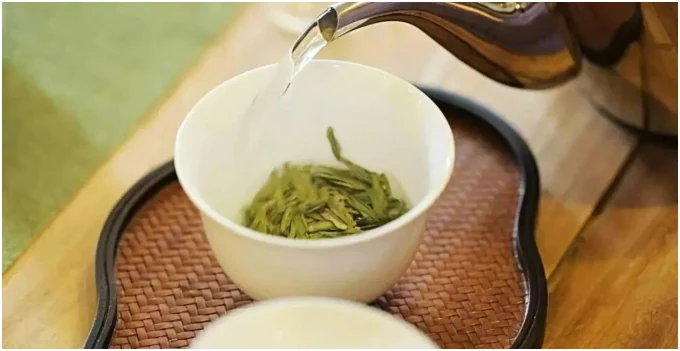
8. Does an upside-down leaf prove quality?
Leaf orientation in water reflects wetting, shape and trapped air. It is interesting to watch, but is not a protected-origin test or a quality certificate.

9. Do hand-fired leaves always sink faster?
Processing can affect density, but temperature, pouring and leaf condition also affect sinking. Compare brewing and flavor directly rather than using sinking speed as a shortcut to workmanship.

10. What is the sensible home-storage approach?
Protect dry tea from moisture, oxygen, heat, light and odors. Refrigerate well-sealed small portions where appropriate, and let a sealed packet warm before opening. Traditional lime storage is a specialist practice, not a reason to place loose quicklime beside food at home.