चाय और चाय के बर्तनों के मार्गदर्शक
Why Does Wuyi Rock Tea Taste Sour? Three Possibilities
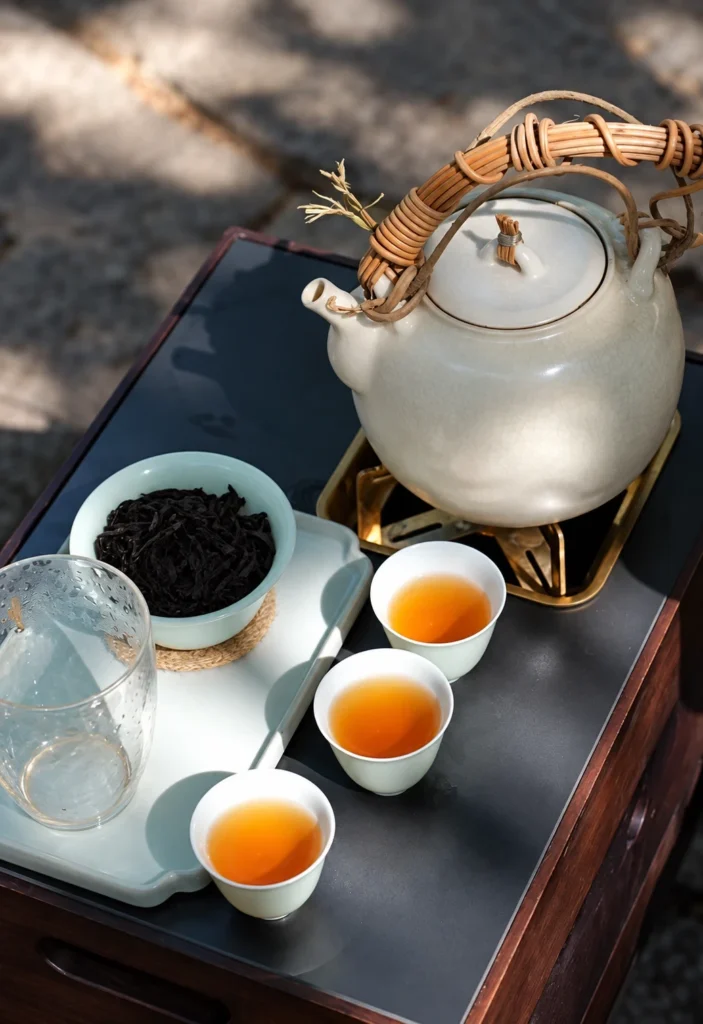
A sour cup of Wuyi rock tea is not a single diagnosis. Tea contains organic acids, and its balance changes with processing, roasting, storage and brewing. A faint tartness in an otherwise clean tea differs from a sharp, stale or musty cup. The useful question is how the acidity fits the whole tea, not whether any acidity is present.
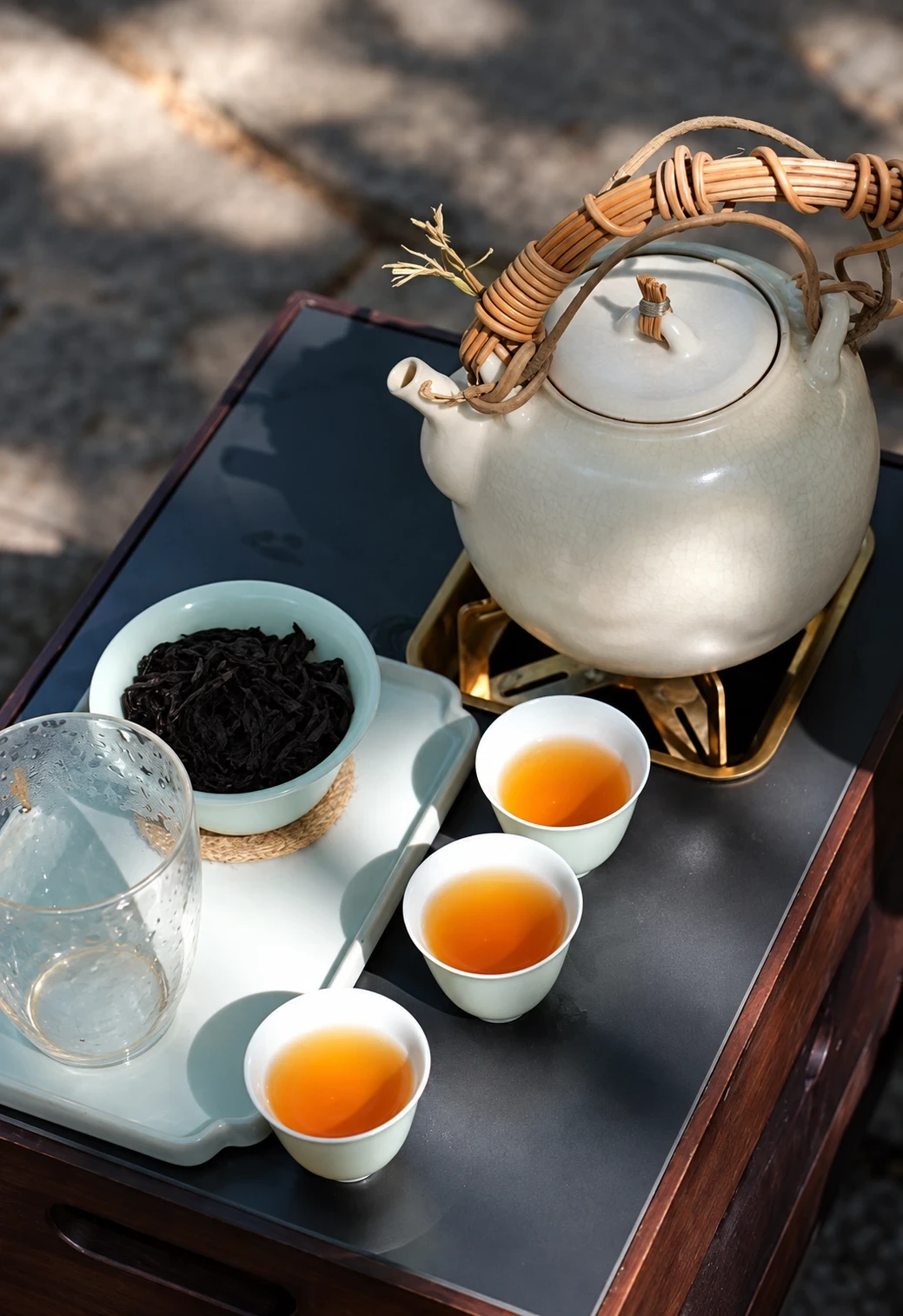
1. A balanced tart note
Some aged rock teas show a mild, plum-like tartness. In tasting language this is sometimes called Wuyi acidity. It is a sensory expression, not the name of one chemical or proof of an exceptional origin. Look for a clean aroma, a balanced finish and an acidity that does not overwhelm the tea. Age alone does not make an unpleasant sour cup desirable.
2. Storage-related deterioration
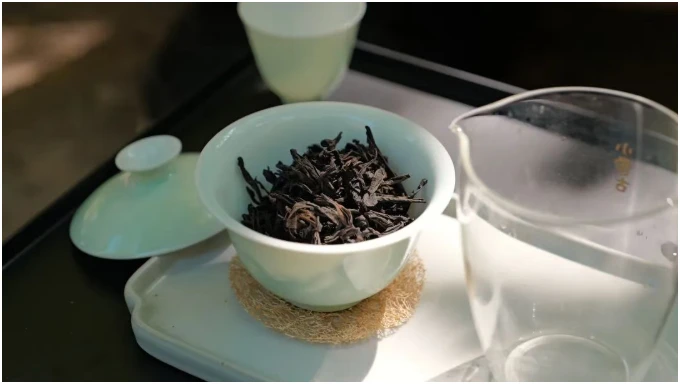
Re-greening, or fanqing, describes the return of a green or raw character in finished tea. Inadequate drying, moisture uptake and unsuitable storage may contribute. A damp, stale smell, a dull green note and an unbalanced sour taste deserve attention together. They do not reveal a precise moisture percentage through tasting. Check the seal and storage history rather than trying to identify a fault from one sip.
3. Processing faults
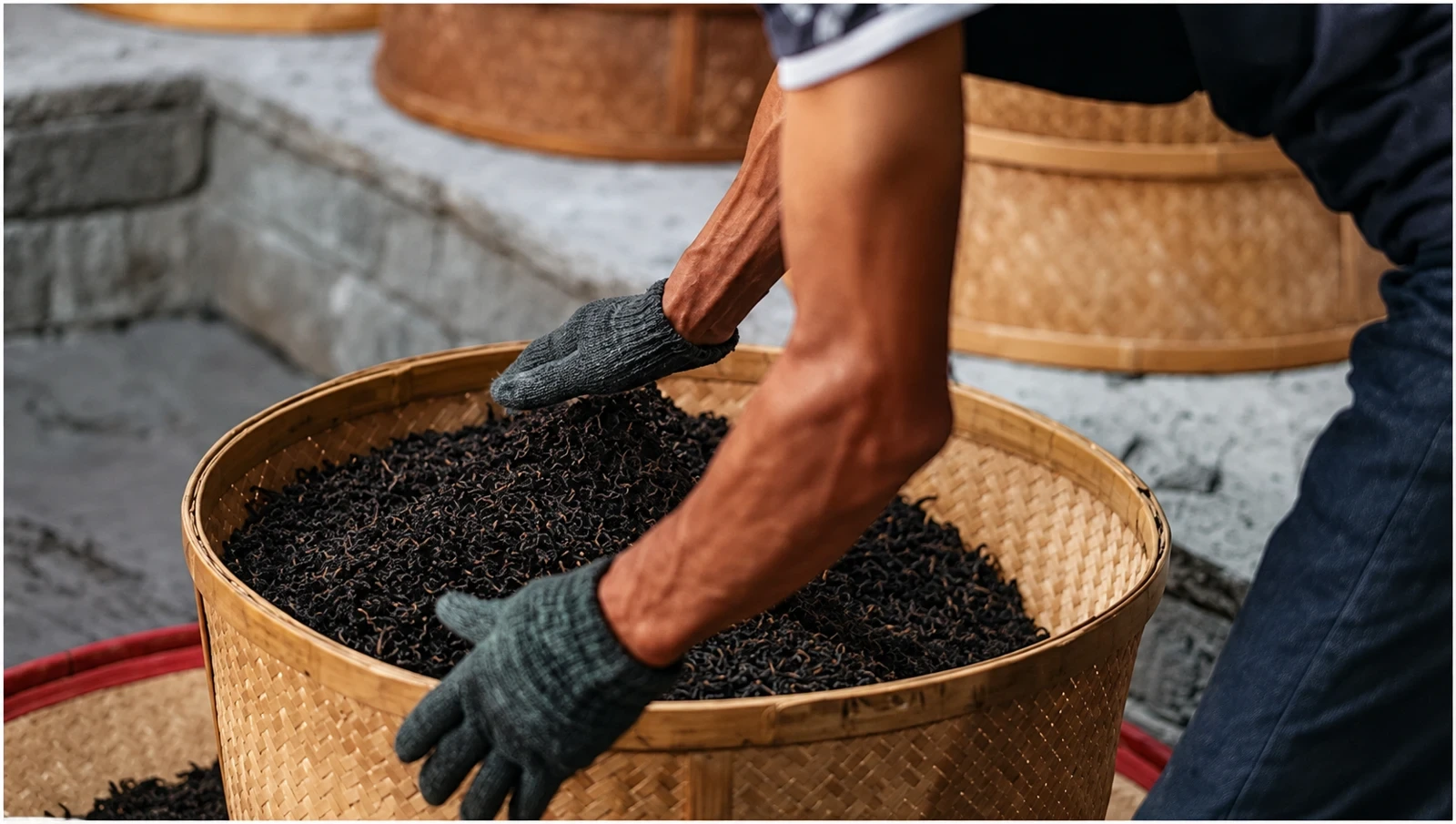
Oolong manufacture depends on coordinated water loss, leaf bruising and oxidation before heat fixation. Delays or uneven treatment can create an unbalanced result. Roasting also matters: it cannot automatically repair poor earlier processing. A tea that smells muddled and tastes persistently harsh is not made better by calling the defect rock rhyme.

A practical way to check the cup
Repeat the brew with clean equipment, neutral water and a shorter infusion. If possible, compare another unopened portion of the same tea. Record whether the problem appears in the dry aroma, hot liquor and cooled leaves. Stop drinking a tea that seems spoiled; visible mold or a persistent musty odor is a reason to discard it. Do not rely on a home re-roast to establish food safety.