お茶と茶器のガイド
How to Store Green Tea: Freshness Without Condensation

Green tea is usually bought for fresh aroma and a lively cup, so storage should slow unwanted change rather than encourage aging. The main priorities are a dry tea, sound packaging, protection from heat and light, and separation from strong odors. No refrigerator can compensate for a poorly closed bag.
Use small, airtight portions
Keep a near-term drinking portion in an opaque, airtight food-safe container in a cool place. Divide larger purchases into small sealed packets, minimizing repeated opening. The best storage duration depends on the product, packaging and conditions; neither a universal one-month deadline nor an unconditional promise of a full year is reliable.
When refrigeration can help
Chilling well-sealed tea can slow deterioration, especially in warm conditions. Follow the producer’s instructions and keep the packets away from foods with strong smells. A household fridge contains moisture and odors; subzero temperature does not mean oxygen disappears or oxidation stops completely. Freezing requires suitable packaging and a plan to avoid repeated thawing.
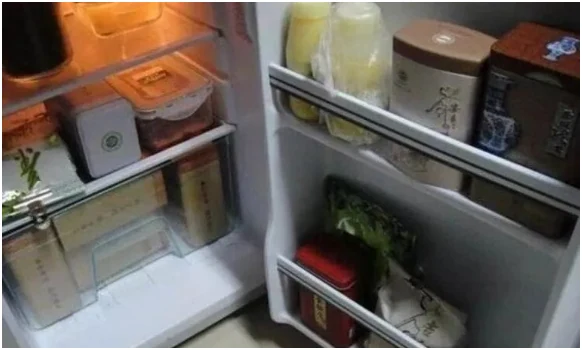
Let a sealed packet return to room temperature
Remove only the portion you need and leave it sealed until it reaches room temperature. Opening cold tea in warm, humid air encourages condensation on the contents. Avoid returning an opened cold bag to the fridge again and again. Use clean, dry utensils so handling does not undo careful packaging.
Traditional lime storage needs specialist control
Quicklime has a history in specialist tea storage, but it reacts with moisture and releases heat. Loose material can contaminate food or injure someone handling it. It is not a superior home shortcut simply because it is traditional. Use suitable food packaging and producer guidance rather than copying a bulk lime-to-tea ratio from an article. Damp-damaged or mold-suspected tea should not be rescued with a drying agent.
