お茶と茶器のガイド
Phoenix Dancong Red Leaf Edges: Normal or a Fault?
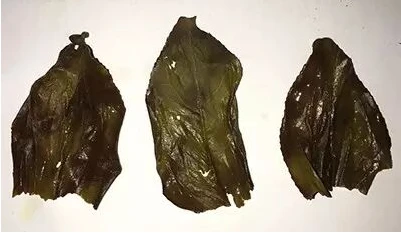
Red or brown areas on infused Phoenix Dancong leaves are not automatically a fault. This Chinese oolong is partially oxidized, and its leaf edges are deliberately bruised during manufacture. The familiar expression “red edges, green centre” describes that contrast. Its exact appearance varies with material, processing, roast and age.
The role of leaf agitation
During zuoqing, gentle handling and resting are repeated to manage water loss and oxidation. Bruising is concentrated toward the margins, but its distribution is never identical on every leaf. Heat fixation then checks enzyme activity. Looking at several leaves can reveal a processing pattern, yet it cannot tell you everything about the tea’s taste.
Use aroma and flavor as well as color
A tea may smell striking in its first infusions and then fade quickly, or show a greener character in the cooled leaves. That may suggest an imbalance worth discussing with the seller, but it does not identify a specific fault by itself. Brewing too strongly can also distort the picture. Compare the tea under consistent conditions before drawing conclusions.
What a photograph cannot confirm
Leaf color is affected by lighting, white balance and the camera. A picture cannot reliably determine a precise harvest year, mountain origin or fair market price. Ask for batch information, the last roast date and storage history. Treat leaf-bottom photographs as supporting observations rather than a certificate of quality.