お茶と茶器のガイド
“Snow White Tea”: Does Winter Snow Guarantee Better Tea?

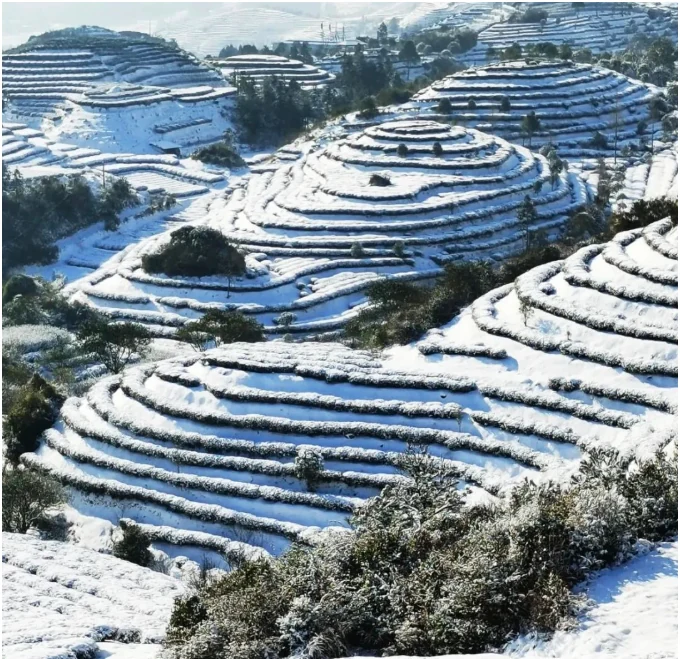
Snow white tea is a weather-related sales description, not a separate white tea product type. It usually points to a garden that experienced snowfall before a later harvest. The photograph may be striking, but it does not tell you how the resulting tea tastes.
Snow can protect and damage
A snow layer can insulate the ground because it contains trapped air. At the same time, cold, ice and the timing of an event matter for exposed plants. Conditions affecting a dormant garden differ from those affecting tender new shoots. General snow science supports the insulating effect; it does not establish a universal white tea quality bonus.

Avoid turning folklore into chemistry
Dramatic claims about nitrogen in snow and heavy water also circulate in tea marketing. Without a verifiable method and relevant tea-garden measurements, those figures should not be used to explain sweetness or yield. Likewise, a claim that snow eliminates pests does not prove pesticide-free production. Winter weather is one factor among cultivar, soil management, picking and manufacture.

Ask for the lot behind the story
Ask where the garden is, when snow fell, when picking occurred and what product was made. Then compare it with a similar lot under the same brewing conditions. Do not infer a premium grade from snow coverage, or mistake a snowy landscape for proof of the tea’s origin. A clear record and an enjoyable cup are better reasons to buy.
