Tea & Teaware Guides
Spring vs Autumn Fuding White Tea: What Changes?
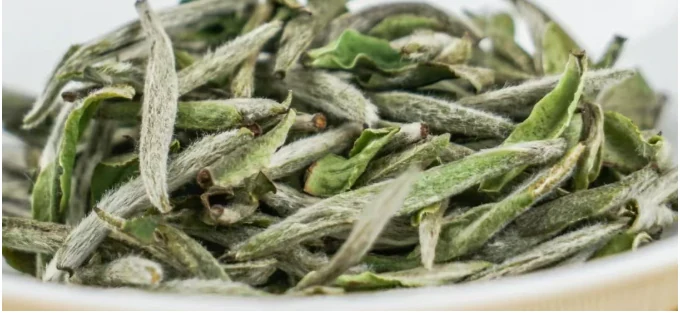
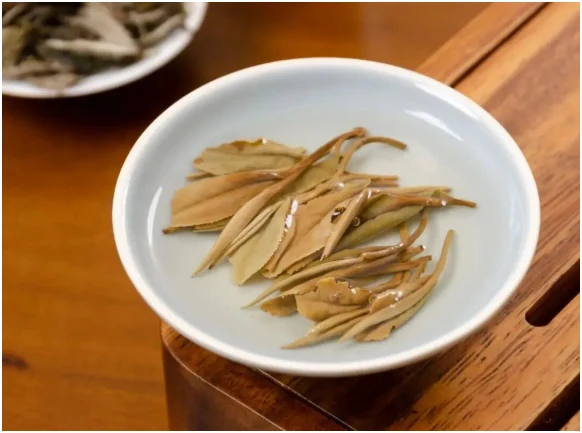
Spring and autumn can produce distinctly different white teas in Fuding, China. The useful question is not which season wins every time, but what was picked, how it was made and which style you want in the cup. Comparing spring Silver Needle with autumn Shoumei changes both season and leaf standard at once.
Buds and leaves tell part of the story
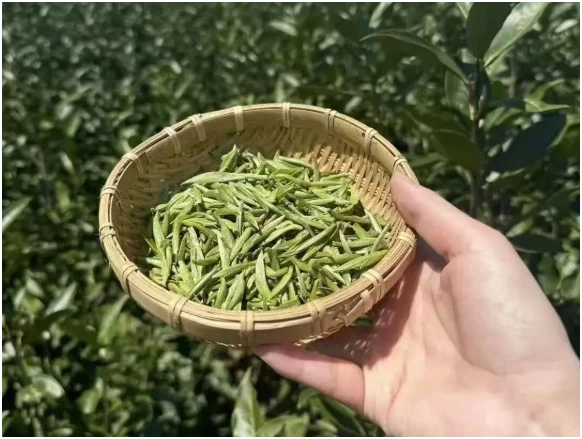
Spring supplies much of the bud-focused Silver Needle and tender White Peony selection. Shoumei is also made in spring, while autumn offers many leafier Shoumei lots. Cooler growing conditions and different picking schedules can affect leaf size and tenderness. Mixed green and brown tones in autumn leaves are not, by themselves, evidence of age or damage.
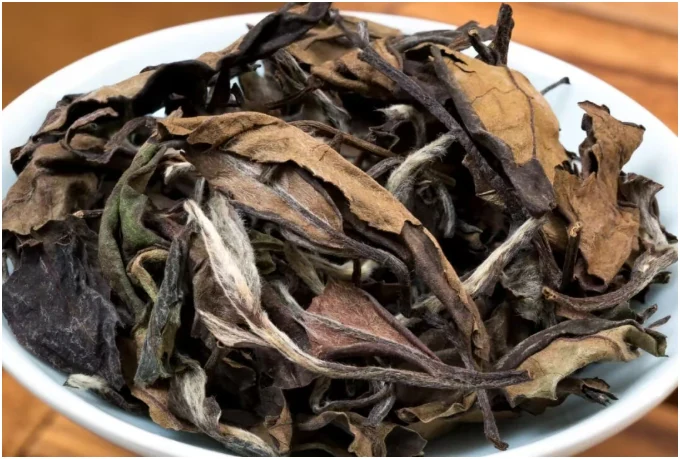
Compare Shoumei with Shoumei
Spring Shoumei often looks greener and more slender, while autumn examples may show larger leaves and stems. Fresh and floral impressions can appeal in one sample; a rounder, leafy sweetness may appeal in another. These are useful tasting descriptions, not fixed rules. Weather, cultivar, withering and storage can outweigh a seasonal label.

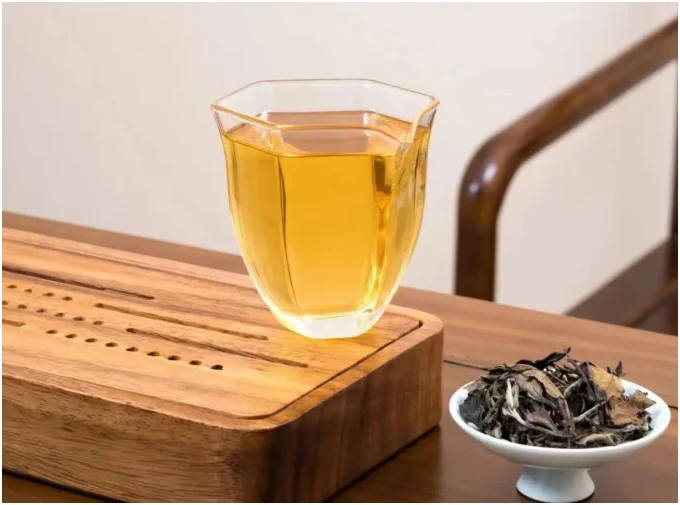
A fair seasonal tasting
Choose the same product type and harvest year if possible, and compare equal weights with the same water and brewing times. Taste again as the liquor cools. Pre-Qingming is a harvest description, not a blanket guarantee of white tea quality. Ask for the actual picking period and judge freshness, cleanliness and balance before paying a seasonal premium.