Tea & Teaware Guides
What Does Jingdezhen Mean on a Teaware Listing?
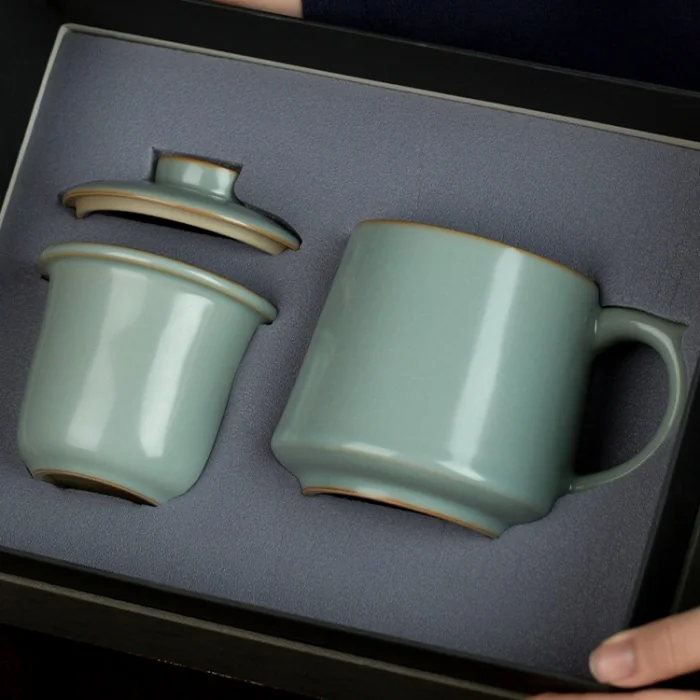
Jingdezhen is a place associated with a major ceramic tradition, rather than the name of one single glaze, pattern or product grade. On a modern teaware listing, ask what the seller means by the term: production location, workshop association or a description inspired by the city’s ceramics.
UNESCO describes Jingdezhen as a longstanding porcelain production centre and lists it as a Creative City of Crafts and Folk Art, a member since 2014. That city-level recognition gives cultural context. It does not certify every product sold under the Jingdezhen name.
Read the listing as several separate claims
| Information | What to ask |
|---|---|
| Place | Where was this piece made and decorated? |
| Body material | What material does the maker specify? |
| Surface | What glaze or decoration is described? |
| Process | Which steps were done by hand? |
| Use | What cleaning and appliance guidance applies? |
A decoration name is not a complete origin statement
The V&A explains blue-and-white ceramics through cobalt decoration on a white body, usually under the glaze. Its history also shows how the style travelled beyond China. A blue-and-white pattern therefore does not, on its own, identify where a contemporary object was made.
The same reading habit helps with a celadon-style mug: colour describes an appearance, while the production location and body material require their own information. Avoid turning a visual resemblance into a claim about a historical kiln.
Choose for use as well as cultural interest
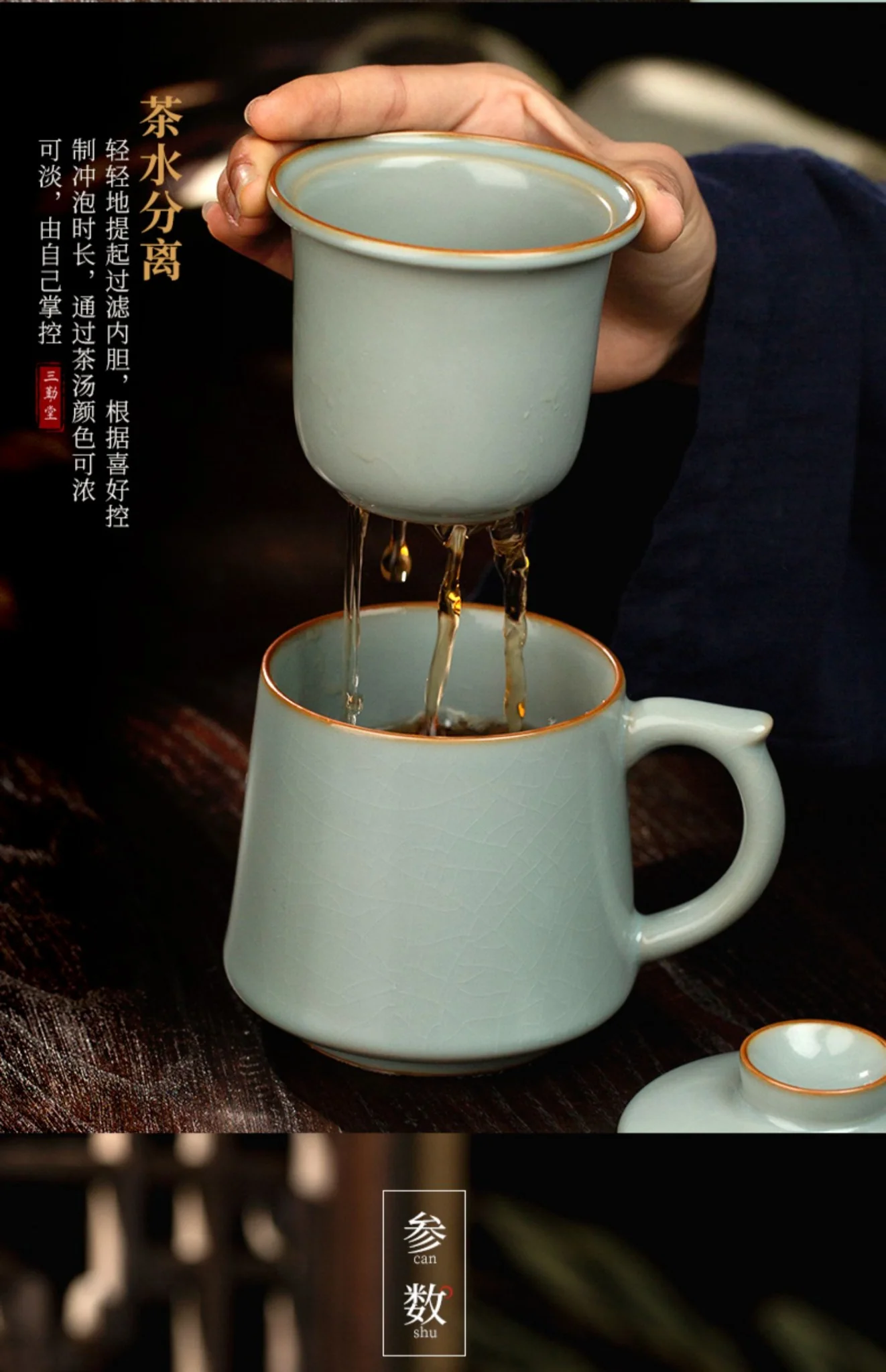
For an everyday mug, look at the rim, handle, opening and cleaning access. For a tea set, compare the working capacity of the pot and cups. Ask for the maker’s care instructions if you plan to use a dishwasher or microwave; the city name does not answer those questions.
A beautiful piece may be handmade, partly handmade or made through another process. Ask for a description of the process rather than assuming all ceramics from one city are produced in the same way.
Keep the purchase record
Save the product description and seller’s answers about the workshop, materials and care. These details are useful when you order a matching piece or need advice later. A clear record is more useful than a broad claim such as “premium Chinese porcelain” without supporting information.
Explore Sandao’s Jingdezhen ceramics collection and the table-setting guide. The accompanying photographs show a modern ceramic mug set, not a historical museum object.
Related guides
- Celadon and Ru-Style Teaware: Read the Description Carefully
- How to Use a Ceramic Infuser Mug at Your Desk
Sources and further reading
- UNESCO — Jingdezhen, Creative Cities Network
- Victoria and Albert Museum — Chinese blue-and-white ceramics
Product photography supplied for Sandao. The illustrated pieces are contemporary examples; historical references do not authenticate them. Sources consulted 3 October 2026.