Tea & Teaware Guides
How to Identify Xinhui Chenpi: Labels, Origin and Age

A dark peel and a large price tag can look convincing. Neither tells you where the fruit grew or how long the peel was stored. When buying Xinhui chenpi, separate three questions: is it food-safe, does its origin support the Xinhui name, and is the stated age documented?
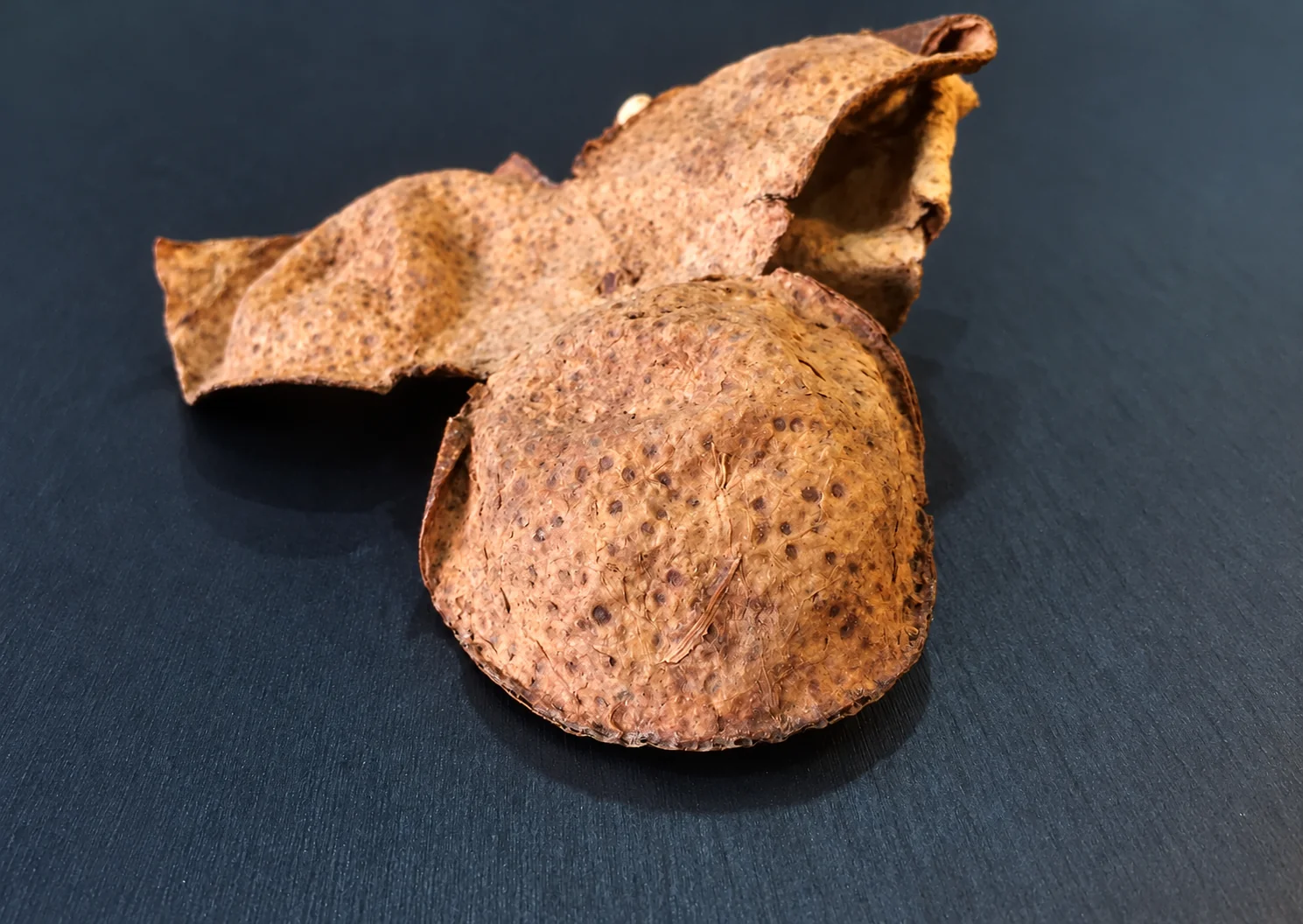
Start with the label and the seller
The Xinhui market regulator identifies Xinhui chenpi as a protected geographical-indication product and asks businesses to maintain traceability information. Check the producer, origin, harvest or processing information, storage instructions and the basis of any aging claim. See the official production and sales notice. A QR code is useful only when its destination and product details can be checked.
Ask the seller to explain the batch rather than repeating “core area” or “old tree.” Does the invoice match the goods? Can the business explain where processing and storage took place? Save the packaging and receipt if the purchase is expensive.
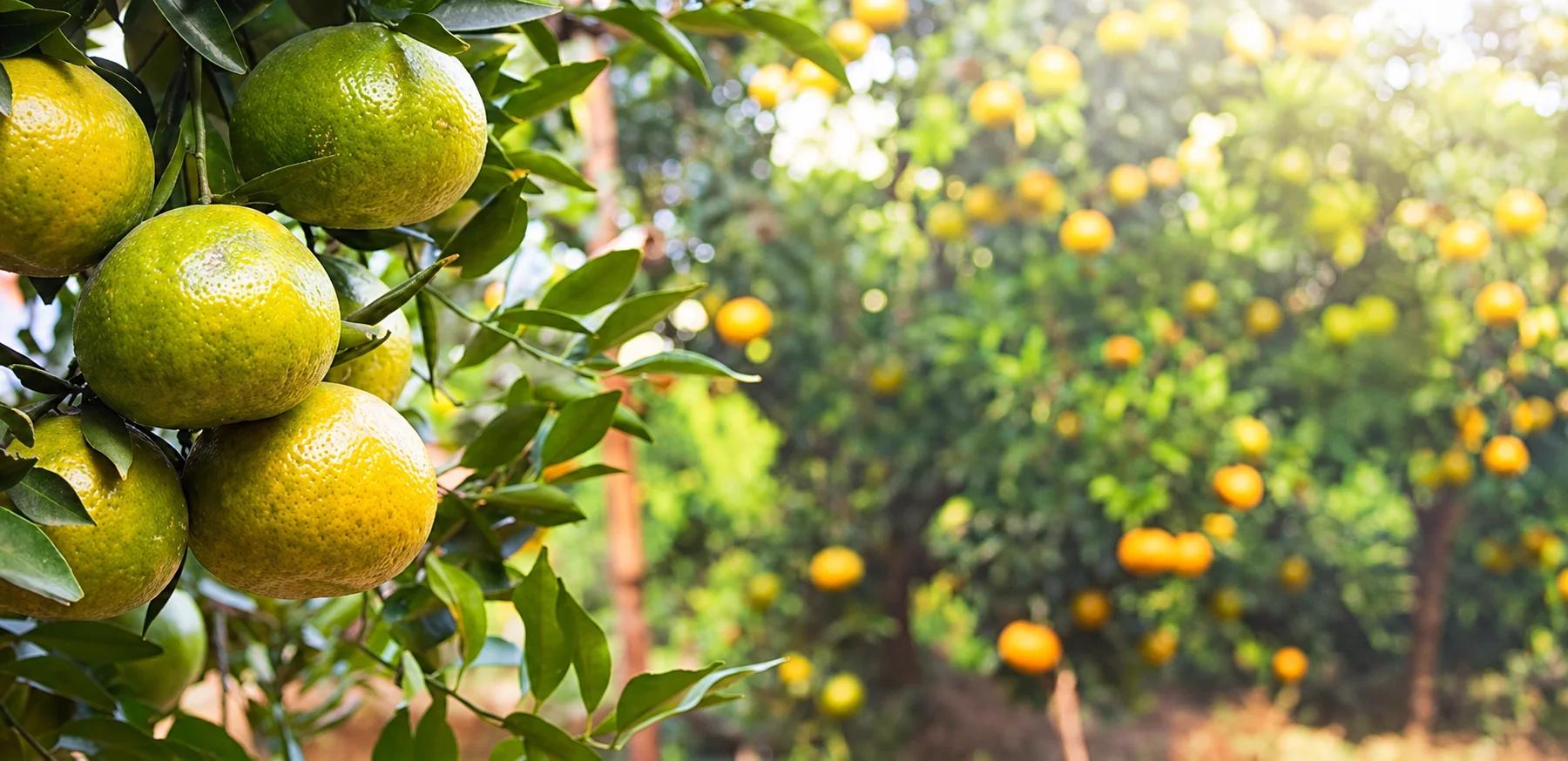
What appearance can tell you
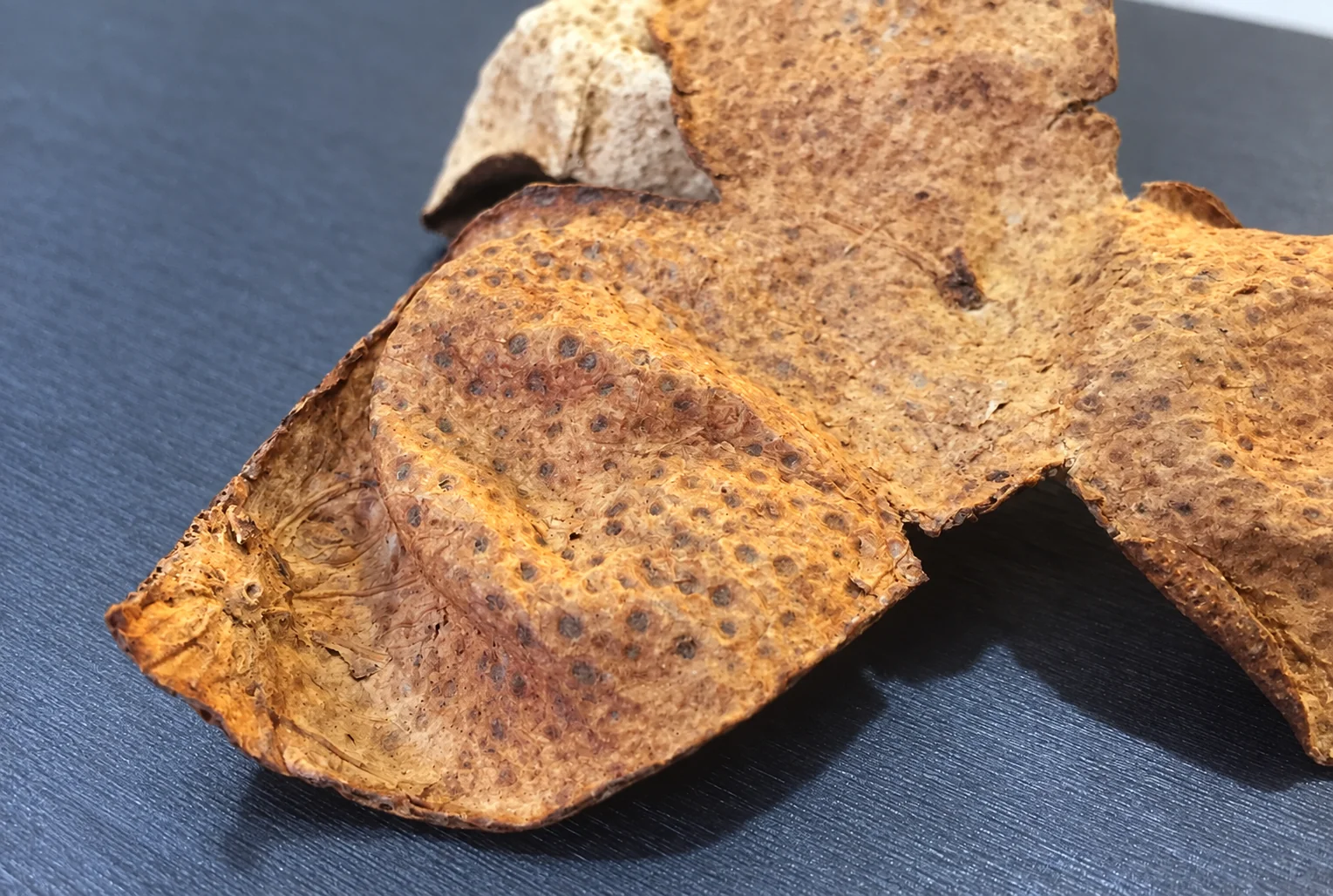
Inspect the outer oil-gland texture, inner pith, dryness and condition. Connected three-lobed shapes are common, but broken pieces can still be genuine. A pale interior does not automatically mean a fake, and a dark surface does not establish ten or twenty years of age.
Color is affected by harvest maturity, drying, storage and lighting. Online photographs are particularly poor evidence because exposure and editing change how the peel looks. The photographs here illustrate texture and handling; they do not certify the origin or age of a sample.
Smell and taste are quality checks, not a dating test
Look for a clean citrus or mellow dried-peel aroma appropriate to the product. Mustiness, dampness or an unexplained chemical smell are reasons to stop and question the purchase. Do not taste visibly spoiled peel to decide whether it is safe.
Compare small samples using the same amount of peel, water and steeping time. A darker cup may simply be stronger. “It survives many infusions” is not proof of a particular village or vintage.
Be cautious about unusually precise age claims
A seller should explain whether a stated year refers to harvest, processing or years of storage. Ask for the storage history behind an older batch. A low price can prompt questions, but there is no universal price line that proves authenticity.
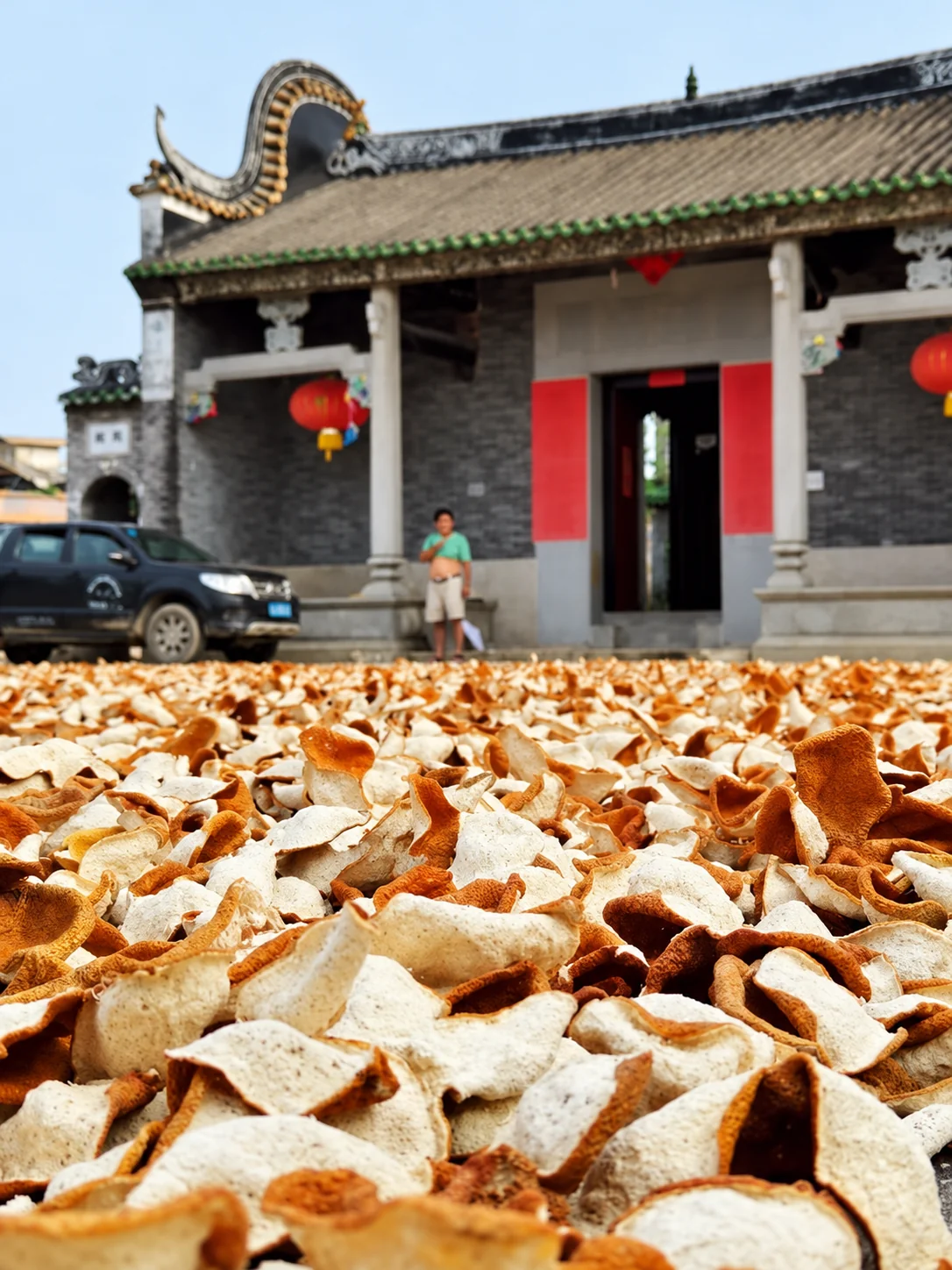
A sensible first purchase
Buy a small, traceable food-grade batch before committing to a costly old vintage. Compare its aroma and brewing behavior with the seller’s description. If the paperwork is vague, spending more does not solve the uncertainty.