Tea & Teaware Guides
Traditional vs Modern Liubao Tea: Processing and Flavor

Traditional and modern Liubao tea are two broad processing descriptions, not two fixed quality grades. They can produce strikingly different cups from the Guangxi tea tradition. Traditional-style tea often retains a more lively leaf character when young; modern-style wet-piled tea is usually more deeply transformed before sale. To understand the difference, follow the processing rather than judging from a red or yellow infusion alone.
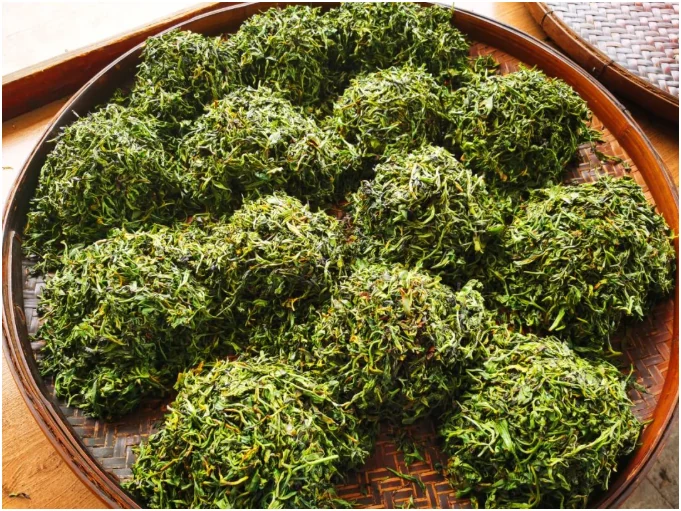
Traditional piling uses the leaf’s own moisture
A simplified traditional sequence includes fixation, initial rolling, a relatively short piling or resting step, further rolling where appropriate and drying. Fresh-leaf moisture and expressed juice help create the conditions for transformation. Different makers may add sorting, re-drying, steaming or basket packing, so a ten-step chart and a five-step summary need not describe different teas. One may simply include more finishing detail. “Traditional” does not mean that microbes or oxidation are absent.
Modern wet piling is a more managed fermentation
Modern manufacture commonly separates primary leaf processing from later refining. Dry material can be sorted, blended, moistened and piled, with turning and environmental control used to manage fermentation. Steaming, shaping, drying and maturation may follow. Water addition is the important distinction behind the familiar term “cold-water wet piling”; it does not mean the fermenting pile stays cold. Exact time, temperature and the number of steaming cycles vary with the producer and process.

How those choices can change the cup
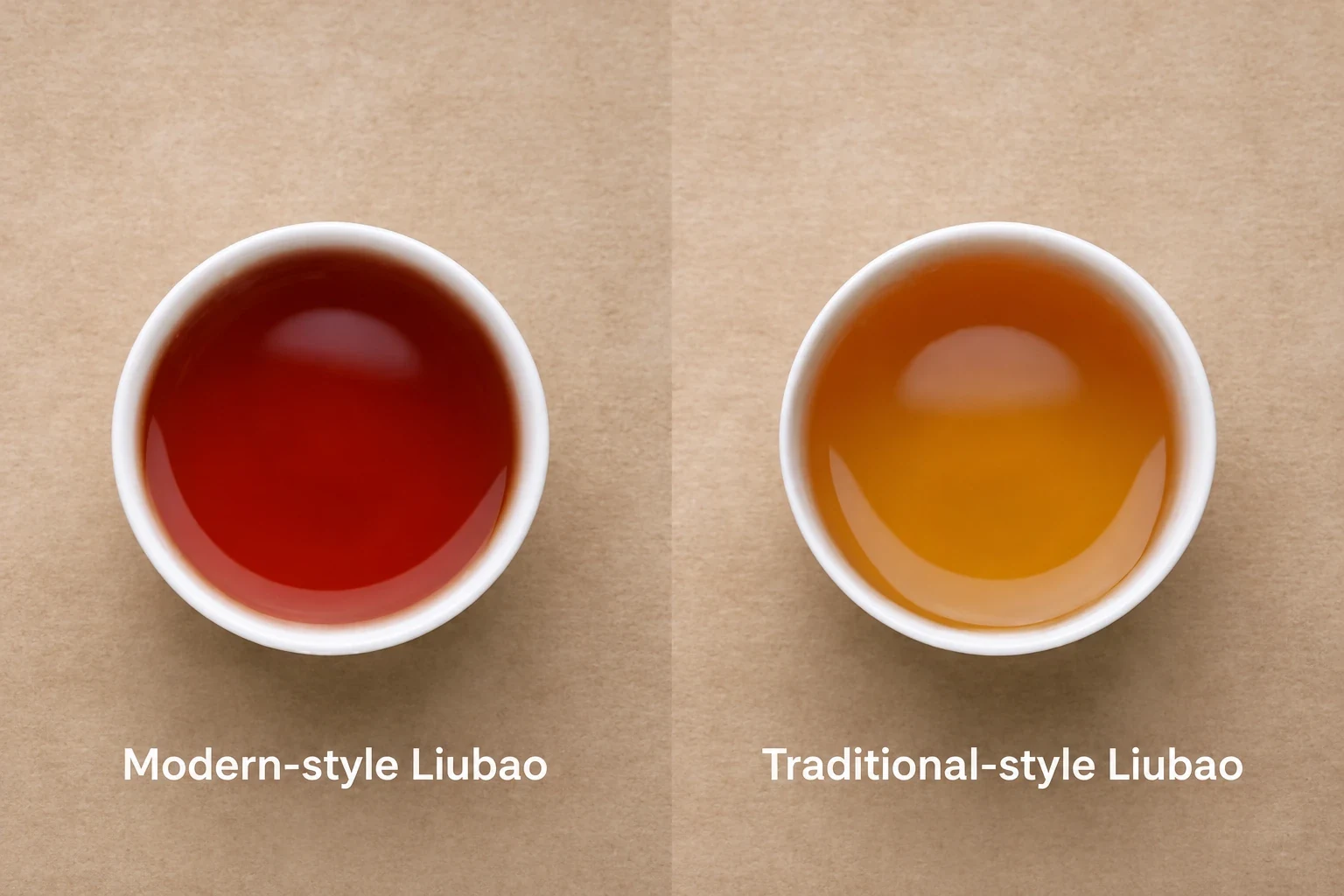
Young traditional examples may brew yellow or orange, with floral, honeyed or brisk notes and a noticeable returning sweetness. Wet-piled examples more often show deeper red-brown liquor, softer astringency and a rounder, earthy or woody character. These tendencies overlap as tea ages, and the same leaf dose or steeping time can exaggerate a difference. Compare samples with the same water and measured recipe before deciding which style you prefer.
The maker and storage still matter
Neither handwork nor factory scale guarantees a clean, balanced cup. Ask about origin, production, drying and storage, then taste a representative sample. A desirable aged aroma should not be confused with contamination, and no processing label excuses mold or unexplained odors. Traditional and modern styles offer different choices; good workmanship and responsible storage are relevant to both.