Tea & Teaware Guides
Ancha Dark Tea: Four Common Questions Answered

Qimen is famous internationally for Keemun black tea, yet it also produces Ancha, a distinctive Chinese dark tea associated with Luxi. Its small bamboo baskets, leaf lining and unusual finishing process make it memorable. Four questions are a useful introduction: what kind of tea it is, why riverbank material is valued, where its leaf-like aroma comes from and how to read its traditional health reputation.
1. What kind of tea is Ancha?
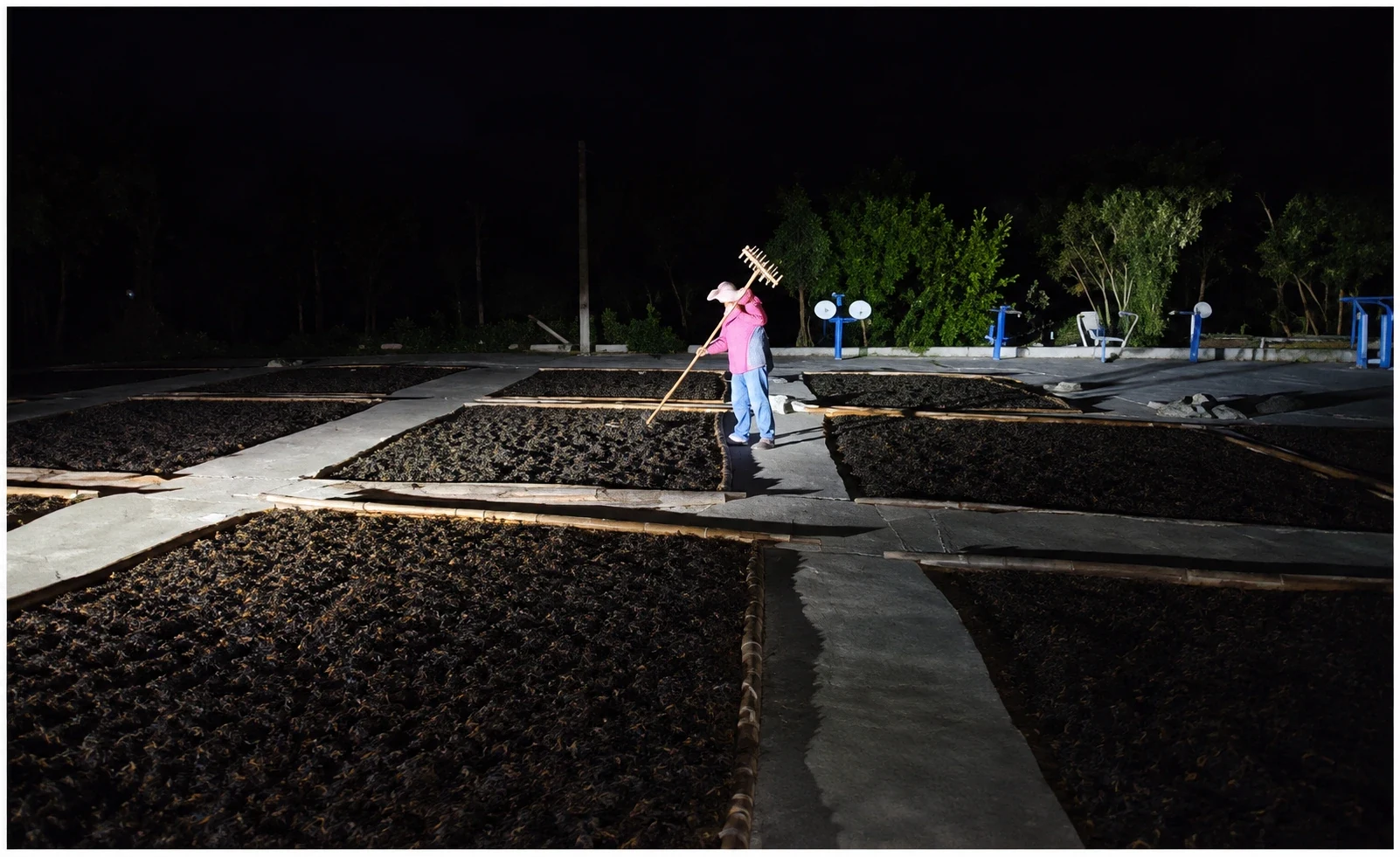
Ancha is generally discussed within Chinese dark tea because of its later transformation and storage tradition. It differs from fully oxidized Keemun black tea, even though both come from Qimen. Its processing can span spring and autumn: primary manufacture is followed by further firing, a distinctive outdoor dew-resting step, steaming, packing and drying. Calling it simply raw or ripe, by analogy with Pu-erh, does not explain that sequence.
2. Why do people talk about riverbank tea?
Zhoucha refers here to material from river-associated alluvial ground, rather than a particular tea variety. Such sites may combine fertile, loose soil with moisture and partial shade. Those conditions can favor substantial leaves suited to the style. They are a traditional preference, not a guarantee that every low-lying garden beats every hillside garden. Good site management, picking and manufacture remain essential.

3. Where does the leaf-like aroma come from?
Ancha is traditionally packed in bamboo baskets lined with broad ruo leaves. The lining and basket form part of its storage environment and can contribute to the aroma associated with the style. Descriptions such as leaf fragrance, bamboo and mellow aged notes refer to that combined impression. Packaging is not an absolute moisture barrier; its condition and the storage room still need attention. Only use lining in brewing when the producer explicitly supplies it for that food use.

4. Do traditional uses prove a health benefit?
Historical accounts connect Ancha with southern Chinese tea drinking, meals and traditional remedies. Old tea tickets sometimes made expansive medicinal claims. These records are useful cultural evidence, not modern trials proving treatment or prevention of disease. Enjoy the flavor and use a comfortable brewing strength; neither an old trade name nor long storage turns tea into a prescribed medicine.