Tea & Teaware Guides
Fuding White Tea: Origins, Leaf Styles and Local Culture

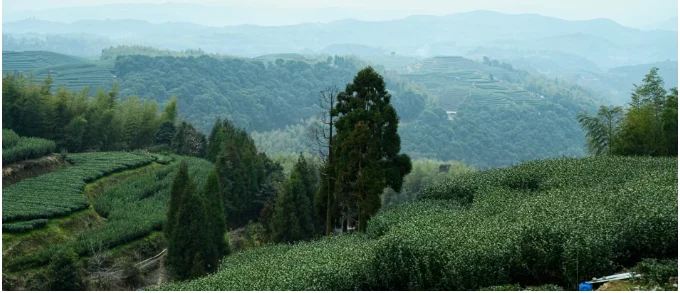
Fuding, on the northeastern coast of Fujian, is an important place to begin exploring Chinese white tea. Tea sits alongside a lively food culture here, appearing at the table as a drink and sometimes in dishes. Its modern white tea identity rests on tea cultivars, processing skills and generations of growers and makers, rather than on a single romantic origin story.

Do not confuse an old tea name with a modern process
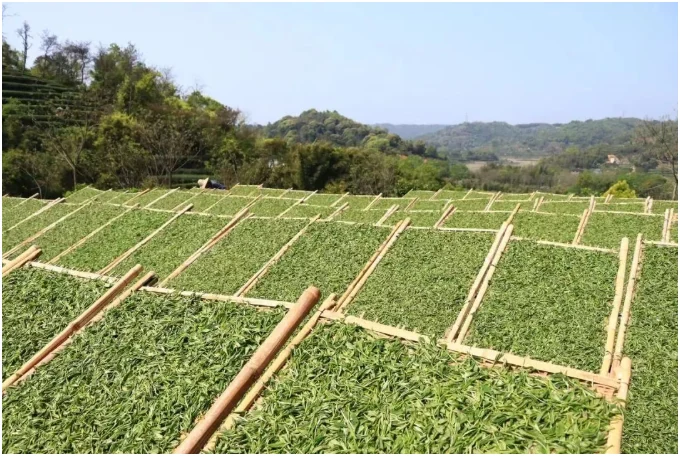
Historical texts used the words white tea in contexts that do not necessarily describe today’s withered-and-dried product. Pale leaves, conspicuous bud hairs and particular tea plants could all prompt that name. The modern category is better understood through its processing: withering and drying, without the early fixation and rolling typical of many green teas.
Four names to recognize
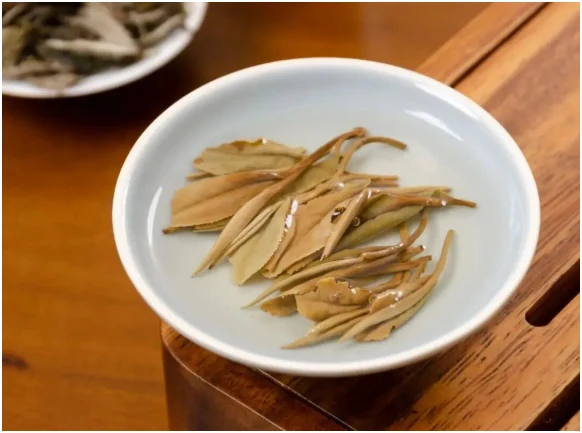
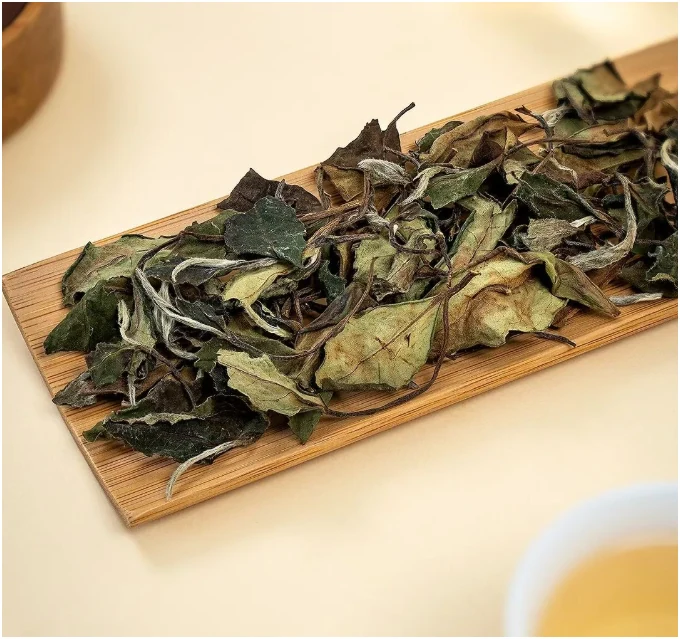
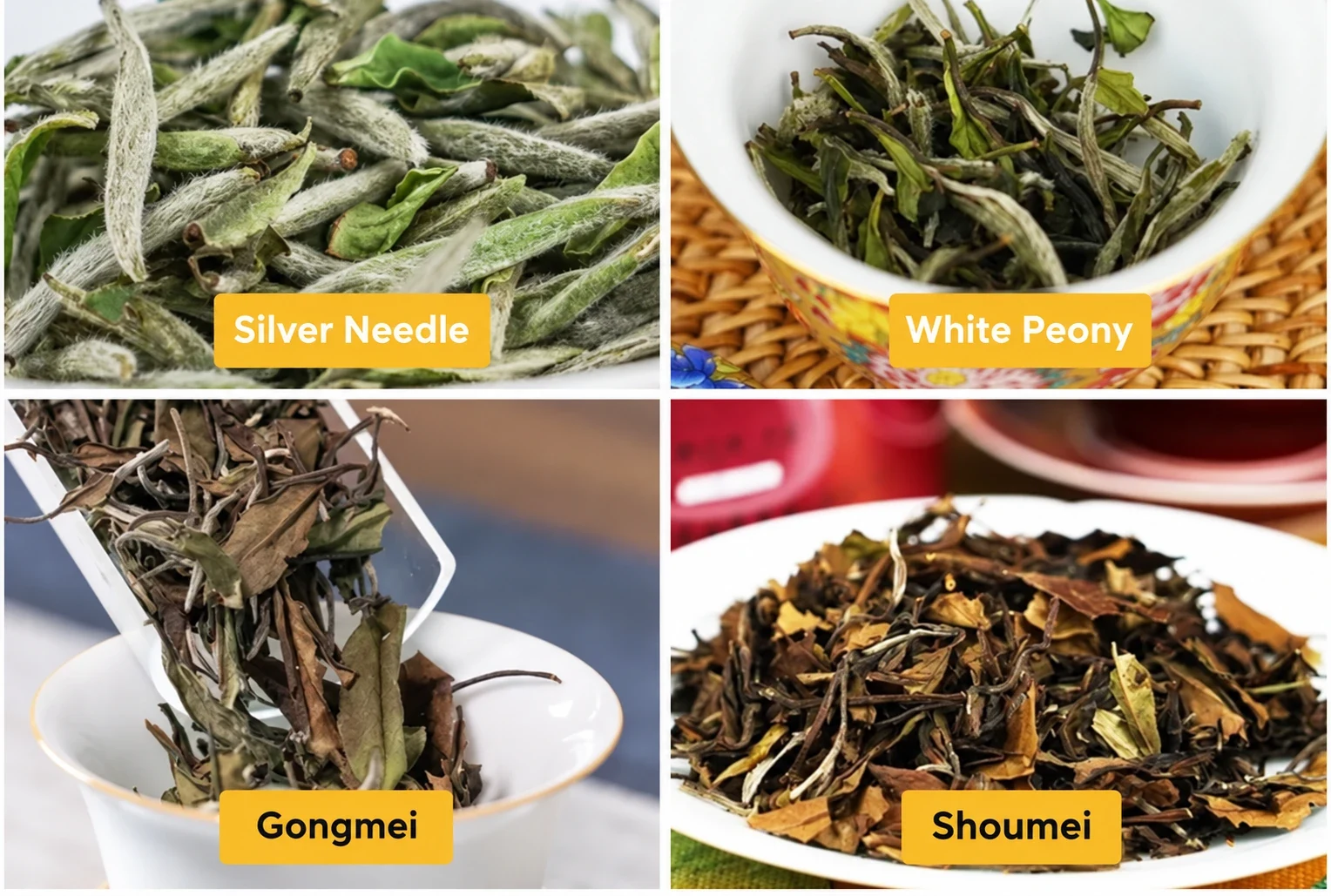
Baihao Yinzhen, or Silver Needle, emphasizes buds. Bai Mudan, usually called White Peony, combines buds and leaves. Gongmei has a specific raw-material identity involving seed-propagated tea populations; it is not simply a loose synonym for every leafy white tea. Shoumei commonly presents more leaf and stem. These are product styles with their own grades, not four promises of health benefits.
Choose a style, then explore its age
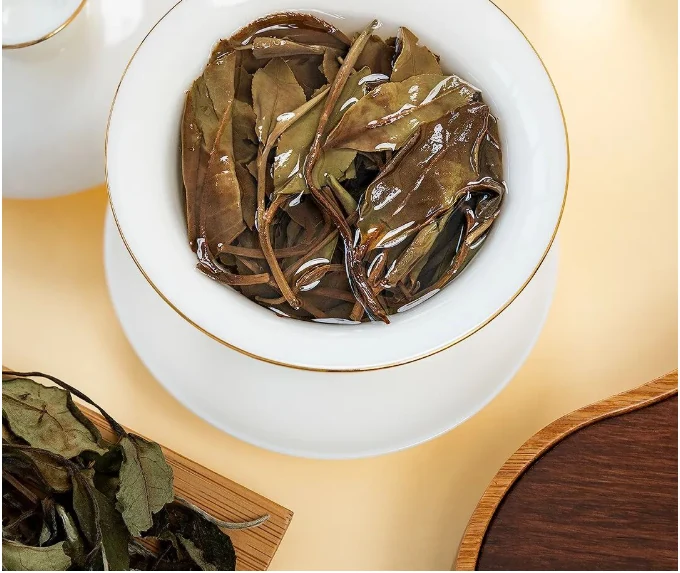
Young teas may offer fresh, floral or lightly sweet impressions. Well-kept older examples can become more mellow, woody or dried-fruit-like, but the direction is not identical for every lot. A cake is not automatically old, and darker leaves are not automatically better. Try small quantities of more than one style before committing to a large storage purchase.