Tea & Teaware Guides
Why Spring Phoenix Dancong May Be Ready in Autumn
Harvest is the beginning, not always the release date
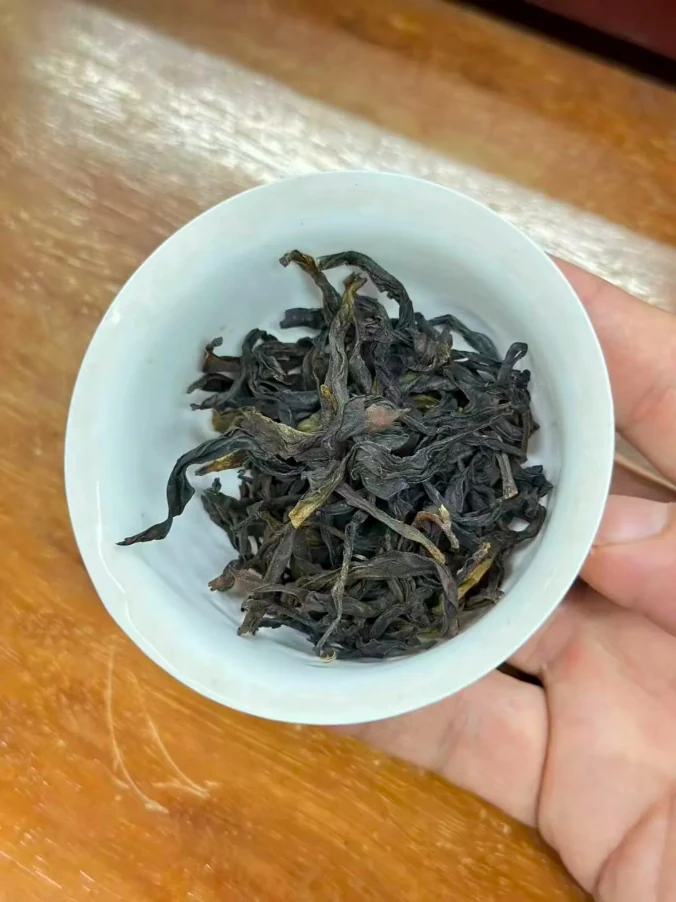
A spring harvest date tells you when the leaves were picked. It does not tell you when the tea finished roasting or when the maker judged it ready to drink. The source’s autumn visit to the Phoenix Mountains centers on tasting teas that had already passed through months of work and rest.
This article focuses on that production sequence. It explains the wait without turning one producer’s calendar into a universal rule for all Phoenix Dancong.
Sorting and roasting need separate attention
After initial processing, leaves are sorted and the roast is considered in relation to their condition. Charcoal roasting can take more than one session. The goal is not simply to make a leaf darker: the maker is trying to bring aroma, moisture management and flavor together without burying the tea under scorched notes.
A heavier roast is not automatically more traditional, more authentic or better for every tea. Different lots can need different handling.
Rest, taste again, then decide
Fresh roast notes may dominate a newly finished tea. Resting allows another tasting after that impression changes. In the source account, some teas were ready to share in late summer or autumn, while others were held longer or considered for another roast. Those are batch decisions.
Repeat tasting is more useful than waiting for a magic number of months. Compare aroma in the liquor, texture, finish and the clarity of the later cups. If the tea is damp, stale or contaminated by odors, time alone will not repair it.
What a buyer can ask
Ask for the harvest season, the most recent roasting date and storage conditions. A small sample lets you decide whether you prefer a fresher roast impression or a more settled cup. Keep your own notes and revisit the same tea, rather than assuming that an older release is necessarily superior.
Store finished tea sealed, dry and away from light, heat and kitchen odors. Resting a well-made tea is a controlled part of its life; leaving an open packet around the house is something else.