أدلة الشاي وأدواته
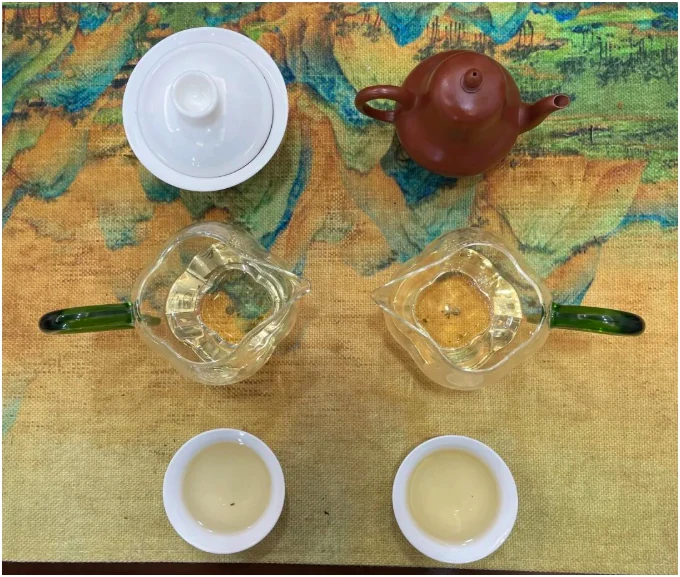
White Tea in a Gaiwan vs a Yixing Teapot
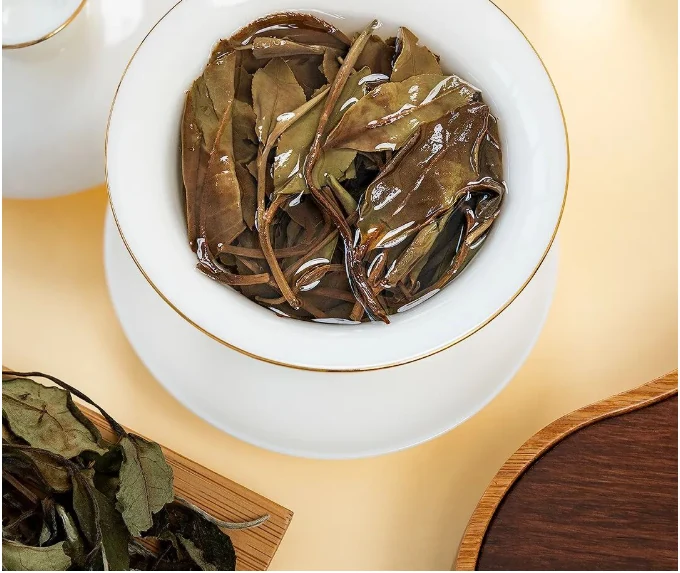
A porcelain gaiwan makes it easy to watch white tea open and to drain the liquor quickly. A Chinese Yixing teapot usually holds heat differently and may suit a rounder brewing style. The right choice depends on the tea and your handling, rather than a rule that new tea must use one vessel and old tea the other.
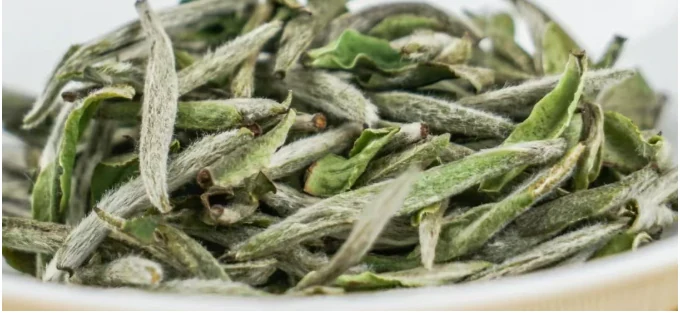
What a side-by-side tasting can reveal
A side-by-side tasting of newer and older White Peony illustrates the question. The newer tea appeared fresher in porcelain; the older example gained body in the pot. Treat that as an account of those samples, not proof that the vessel always produces the same result. Wall thickness, shape, opening, usable volume and pouring speed can change extraction as much as the material name.


Keep the comparison fair
For a first comparison, try about 3 g of leaf per 100 mL of usable water, with water around 90–95°C (194–203°F). Start with a short infusion, roughly 20–30 seconds after wetting, then drain completely. These are tasting starting points, not a standard. Keep the ratio and timing alike, and adjust one factor at a time if either cup is too thin or too forceful.

Water and summer serving
Use safe, clean-tasting drinking water and let the finished tea cool to a comfortable temperature. Water hardness can affect flavor, but soap demonstrations are not drinking-water safety tests, and tap water is not universally hard. In hot weather, a lighter cup or hot-brewed tea promptly cooled and refrigerated can be more practical than a long, concentrated steep. Tea is not a treatment for heat illness or a way to remove bodily dampness.